Western Europe experienced the hottest period in history during June and July.
Western Europe experienced the hottest period in history during June and July.
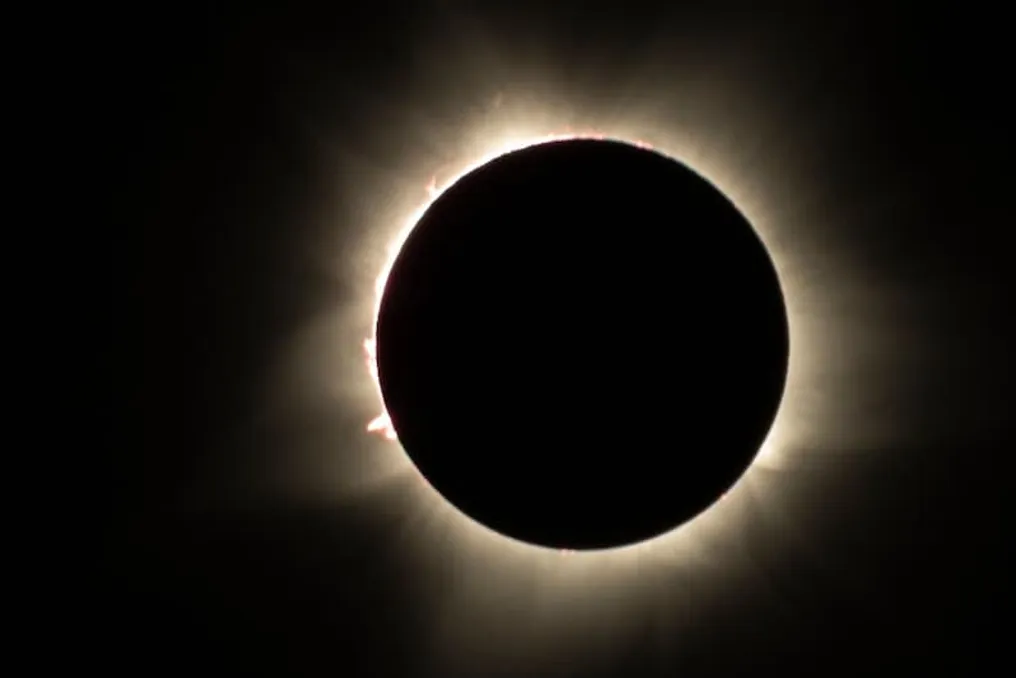
Citizens in the UK have been advised to reduce their electricity consumption during the solar eclipse. One of the country's largest energy companies, Octopus Energy, appealed to its customers to avoid using energy-intensive appliances, such as dishwashers and washing machines, between 6:00 PM and 8:00 PM on Wednesday.
The reason for this recommendation is the expected significant drop in power supply from solar sources due to the solar eclipse. The solar eclipse, which will occur in the UK on Wednesday, will affect not only the appearance of the sky but also electricity generation, so people are advised to limit energy consumption for several hours.
During the eclipse, the Moon will cover most of the sunlight, and it is predicted that light intensity may decrease by up to 95 percent. This will directly impact the electricity generated by solar panels.
According to data from the National Electricity System Operator (NESO), which manages the UK's power grids, the solar eclipse could lead to a deficit of about 1.3 gigawatts in power supplied from solar sources. This amount of energy is sufficient to meet the needs of approximately 500,000 households.
Special attention is drawn to the fact that this reduction is likely to occur at a time when people usually start using electricity more actively after returning from work. This could increase the gap between energy demand and production from solar sources. Gas power plants will be activated to compensate for the deficit, but officials do not expect a power outage due to the eclipse.
Nevertheless, the company urged people to refrain from using unnecessary electrical appliances during these two hours. This will help reduce the strain on the grid and decrease dependence on gas generation to cover the deficit.
The company also offered an additional incentive for customers willing to shift their electricity consumption times. According to the company, if consumers reduce consumption during the specified time, they may receive free electricity on another day.
The company's tariff system operates similarly: the cost of electricity changes every half hour according to wholesale market prices. Thus, it is beneficial for customers to consume more energy during periods of low prices and reduce consumption during expensive hours.
According to the company's flexibility manager, out of approximately 8 million Octopus Energy customers, 500,000 are already participating in the demand response program. He emphasized the need to create market signals that motivate as many people as possible to change their consumption schedules.
Despite this, there are critics who raise questions about such programs. Critics point out that it is not easy for all homes to change their consumption patterns. For example, families whose members require constant use of electronic medical devices cannot adjust their consumption at will.
Last year, the Shadow Energy Secretary stated that the country's energy system should meet people's needs, rather than requiring people to change their needs to suit the system.
Currently, the power supply in the UK during the solar eclipse will be monitored. People are also urged, if possible, to refrain from using washing machines, dishwashers, and other secondary electrical appliances on Wednesday from 6:00 PM to 8:00 PM.
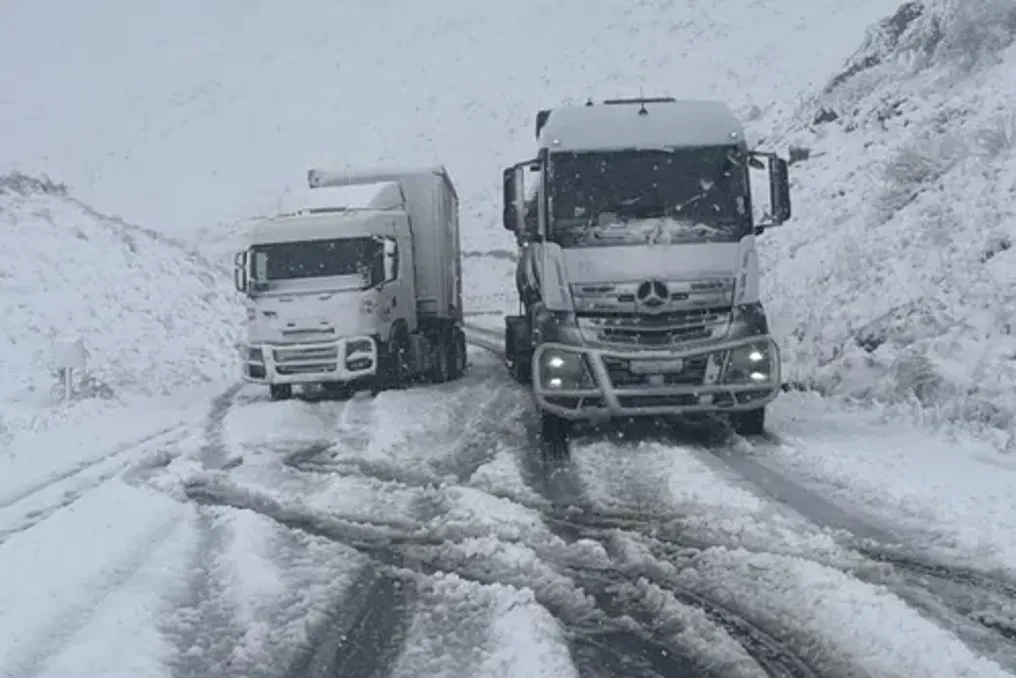
Drivers are strongly urged to exercise extreme caution as heavy snowfalls, wet snow, rain, and icy conditions are disrupting traffic in several provinces, with some major routes closed.
Wet and icy sections of paved roads are becoming slippery and difficult to handle. Visibility is significantly reduced, especially at night, making road users vulnerable to potentially preventable accidents.
Mackie advised against speeding, using headlights for better visibility for other road users, increasing distance, and postponing trips where possible.
He also recommended that drivers avoid passing under low bridges and flooded areas. Reports were received of snowfall on the N11 highway towards Volksrust and on the N3 highway in the province towards KwaZulu-Natal.
Other hazardous factors include fog on some roads at night and early in the morning. Mackie noted that although no major accidents have been reported yet, emergency services and traffic law enforcement are on high alert to closely monitor the situation.
He emphasized the need to remain vigilant and adapt driving style according to adverse conditions to avoid danger, as well as to monitor updates while traveling.
Heavy snowfall on Tuesday seriously affected communities in KwaZulu-Natal, including Impendle, Kokstad, and Underberg, leaving some residents cut off from the outside world.
In response to the extreme weather conditions, the KwaZulu-Natal Minister of Transport and Human Settlements, Siboniso Duma, issued a statement on Tuesday, confirming that Department of Housing teams would be dispatched to assist affected areas.