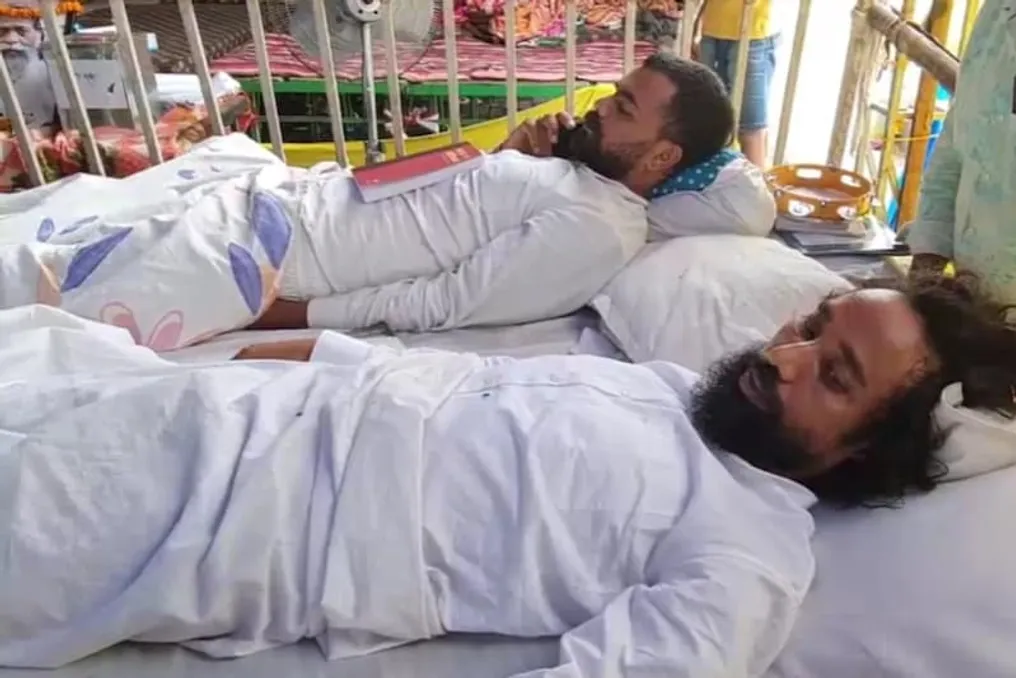
Student leader Devendra Nat Mahto began a hunger strike on August 2nd in protest against irregularities in the JPSC-JSSC CGL examinations. Student demonstrations continue in Janakpur, and Mahto is participating in them while maintaining his fast. Experts have explained what consequences such a prolonged abstinence from food can have.
Jharkhand Students' Protest
In the initial stage of fasting, the body uses stored energy. In the absence of food, the body breaks down glycogen stored in the liver, converting it into glucose for energy. After about 24 hours, glycogen levels significantly decrease, and the body switches to using other energy sources, including fat stored in the body. Fat breakdown leads to the formation of ketones, which the body uses for energy. At this stage, mild symptoms of weakness may begin, and in some cases, dizziness is observed, which is felt around the third day of fasting.
Risks increase between days 4 and 10. Professor Subhash Giri, Director of the Department of Medicine at Ram Manohar Lohia Hospital in Delhi, reported that if a person does not eat until the fourth day, the body begins to use not only fat but also muscles for energy. This can negatively affect muscle strength and the immune system. Additionally, some people may experience low blood pressure, and the balance of electrolytes such as sodium, potassium, and magnesium may be disrupted.
If a person drinks water during a fast, it can provide some relief, but complete refusal of water carries the risk of deterioration. This can lead to decreased urination, a drop in blood sugar levels, disruption of normal heart rhythm, and a decrease in blood pressure. In such a situation, the administration of physiological solution (saline) is extremely important.
Resuming Food Intake is Also Not Easy
Dr. Subhash warns that after several days of not eating, one cannot suddenly start consuming large amounts of food. Resumption of nutrition must occur under medical supervision, preferably in an inpatient setting. This is because after a long fast, there is a danger of developing refeeding syndrome, in which electrolytes can change rapidly when food intake begins, which can seriously affect the heart, respiratory system, and other organs.