The UPI system was introduced in 2016, and a decade later it has fundamentally changed the methods of settlement for hundreds of millions of Indians. Before 2016, India experienced long queues at banks, the use of crumpled cash, limited acceptance of cards in stores, and lengthy fund transfer procedures.
The UPI technology, developed by the National Payments Corporation of India, allowed any person to send money instantly using only a mobile phone number, without the need for cards, cash, or waiting in lines. Many at the time did not realize how much this would change daily life.
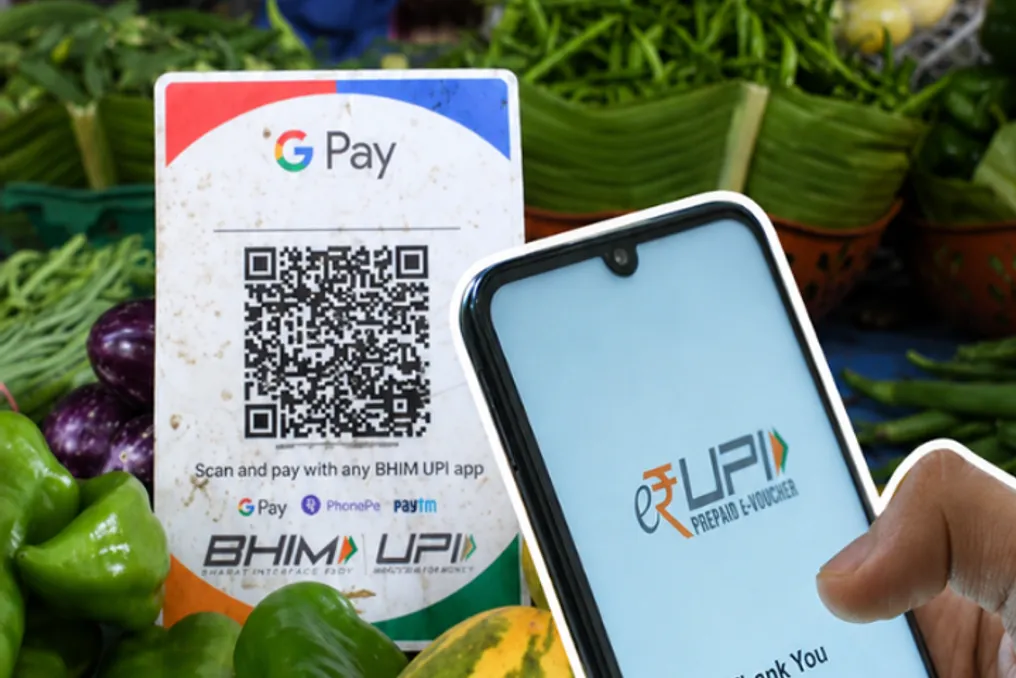
The situation became acute after the demonetization of cash in November 2016. UPI, being a very young system, suddenly gained critical importance. Vendors, students, and shop owners who previously did not use digital payments began scanning QR codes just to continue their business.
The main incentive was the zero-commission decision. Since 2020, the government mandated that no bank could charge users or merchants for transactions through UPI. Free access became the strongest argument for UPI, especially for small traders operating on minimal profit margins.
It started with small stalls: a tea stall owner affixed a paper QR code to a wooden cart, followed by a fruit seller, a tailor, an auto-rickshaw driver, and a pharmacist. The absence of costs eliminated any hesitation. What began on the streets soon spread to checkouts in malls and supermarkets.
Large retail chains were reluctant to adopt digital payments for a long time due to fears that commissions would eat into their profits. The UPI mandate of zero commission completely removed this objection. Over several years, the same QR code could be seen on a street cart as well as at a supermarket checkout counter.
The growth was explosive. Between 2019 and 2025, the volume of UPI transactions grew at a compound annual growth rate of 72 percent. In four years, approximately 260 million new users and 55 million new merchants joined the network, bringing together the smallest and largest sellers in India on one platform.
By 2025, UPI processed about 261 trillion rupees in one financial year, which was 30 percent more than the previous year. Nearly 450 million Indians actively use it, making it one of the world's largest real-time payment systems.
The system also continuously improved: UPI Lite emerged for small offline payments, credit lines directly linked to the app, and international channels allowing Indians to pay for purchases in Singapore, UAE, and France using the same app they used with a local grocer.
However, maintaining this extensive free infrastructure was not entirely cost-free. Banks and payment companies covered actual operational costs for years, relying on government subsidies while simultaneously seeking a more sustainable long-term way to finance their operations.
In August 2026, this pressure reached Parliament. An amendment to the 2007 law, which prohibited any charges for UPI and similar digital payments, was passed by unanimous vote as part of a broader tax reform package.
The key detail is that the discussed commission, called the Merchant Discount Rate (MDR), is charged to the merchant accepting the payment, not the buyer. The merchant's bank will deduct a small percentage for each transaction, rather than directly from the buyer's account.
Nevertheless, merchants rarely silently absorb these costs. Previous MDR history shows that merchants regularly passed on such fees by adding them as a small surcharge to the bill. Thus, although buyers are not directly billed today, prices at the checkout may reflect this in the future if commissions return.
UPI has evolved from a small experiment into the primary payment method for most residents of India. With the emergence of a legal framework potentially allowing for charges, the coming months will show whether fees return, who will pay them, and how this will change daily operations for billions of users.