
As part of Women's Month celebrations, the Institute of Municipal Engineering of South Africa (IMESA) highlights the achievements of female engineers who are leading infrastructure development projects across the country, while also encouraging more young women to enter this profession.
Established in 1961, IMESA states that it has never implemented formal gender policies, instead focusing on creating a professional environment for municipal engineers based on technical excellence, ethics, and community service. Today, over 30% of the institute's members are women, many of whom hold leadership positions.
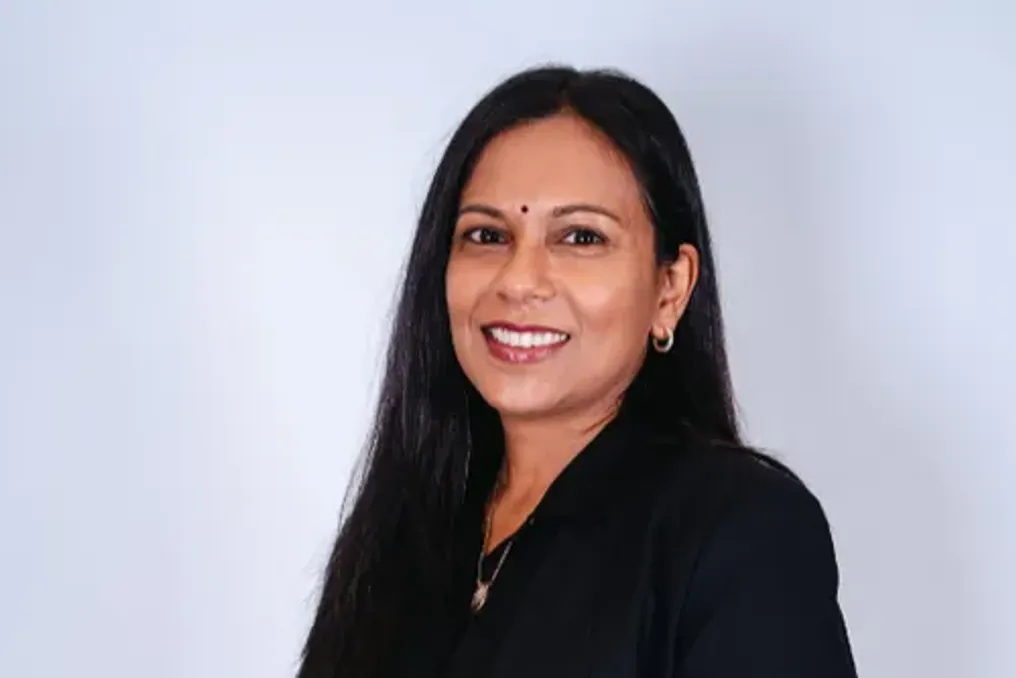
Among them are Roxanne Kenny, Chairperson of the KwaZulu-Natal branch; Princess Kabala Muke, Chairperson of the Western Cape branch; and Mpho Platjie, Chairperson of the Free State and Northern Cape branches.
Rather than focusing on obstacles, these three engineers use Women's Month to demonstrate the opportunities available in municipal engineering and to encourage students, graduates, and young professionals to consider a career that helps provide vital public infrastructure.
Platjie, a civil engineer and project manager at the Mangaung Municipality, shared that her interest in engineering arose in childhood after living in a community without piped water. She was inspired by watching technicians install a tap in her family's home, which prompted her to choose a career focused on improving access to clean water for other communities.
Kenny, a registered civil engineer specializing in water supply design and acting area manager at the Ekurhuleni Municipality, reported that her mother, a draftsman, inspired her before she discovered a passion for hydraulic engineering. After starting her career in consulting, she noted that working for local government allowed her to oversee projects from the design stage through to implementation, strengthening her commitment to municipal engineering.
Kabala Muke, an acting manager in the waste management department of the City of Cape Town, shared that living in Goma in the Democratic Republic of Congo showed her how infrastructure directly impacts people's quality of life. She emphasized that engineering is not just a technical profession but also a powerful tool for economic development, nation-building, and social transformation.
These three engineers believe that the profession has become increasingly inclusive as more women lead technical teams, manage infrastructure programs, and occupy executive roles. However, Platjie stated that municipalities must continue to strengthen internship programs for graduates and expand scholarship opportunities to attract more young engineers.
Kenny noted that diversity has enriched the engineering profession by bringing different perspectives, while Kabala Muke stressed the importance of creating workplaces where women can be empowered for leadership, innovation, and influence on strategic decisions. The engineers also highlighted the value of professional associations like IMESA, noting that mentorship, networking, and leadership development are essential to support women throughout their careers.
Kenny, who co-founded the IMESA Young Professionals Portfolio (YP²), said that this initiative created more opportunities for students and early-career engineers. This program was subsequently expanded to the Western Cape under Kabala Muke's leadership.
Their message to young women considering engineering is simple: they belong in this profession and can play a significant role in shaping the future of South Africa by implementing vital infrastructure and public services.