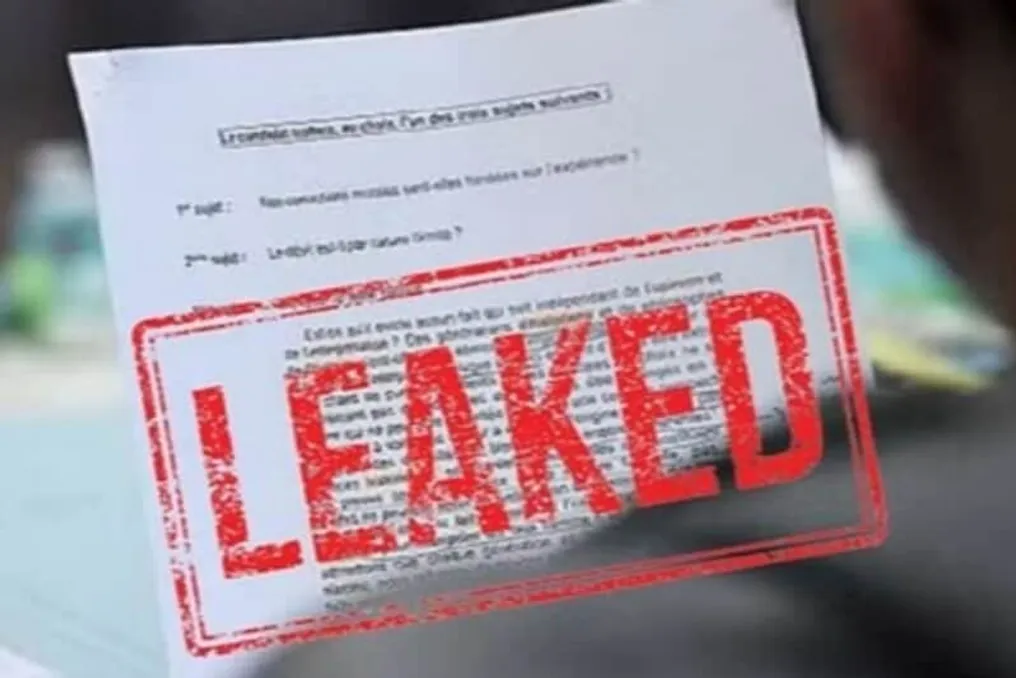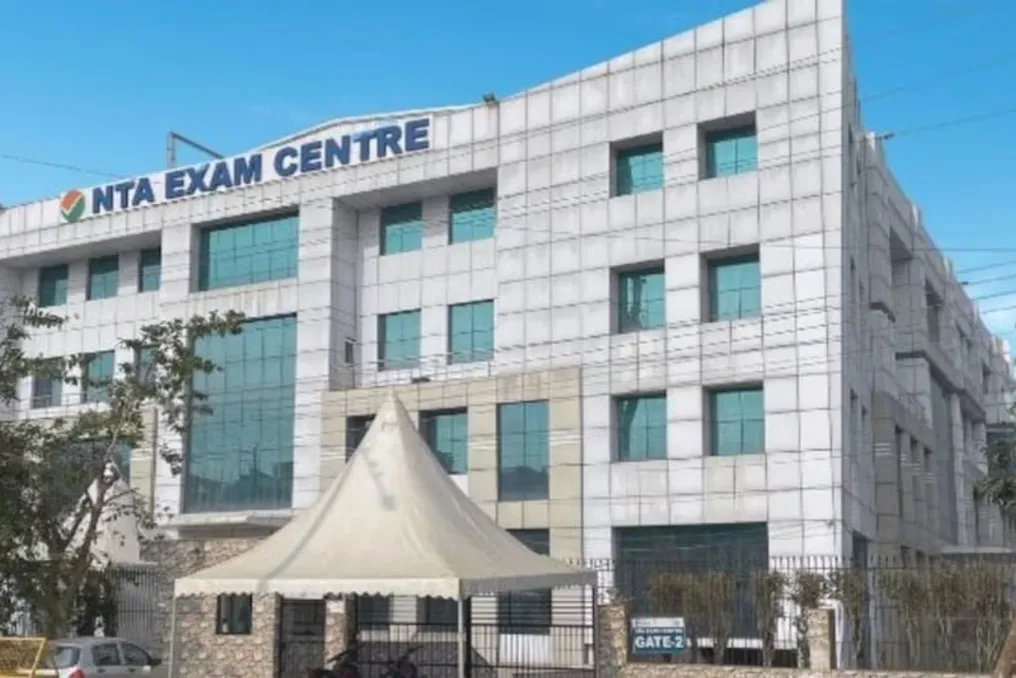
The investigation revealed that staff responsible for verifying the identities of NEET-UG exam participants were complicit in the 'proxy candidate' gang. This major fact came to light after receiving a response to a Freedom of Information Act (RTI) request, in which the National Testing Agency (NTA) admitted it never conducted direct vetting of the personnel performing biometric verification.
NTA delegated the responsibility of checking candidates at examination centers to the state-owned company EdCIL. Following the exposure of this scheme, 30 people were arrested by the Bihar police. The investigation showed that biometric personnel aided the fraudsters, allowing 'proxy candidates' to easily bypass security measures and enter the exams.
In response to the RTI, NTA confirmed that an internal investigation into serious shortcomings and violations related to biometric verification is already underway. This year, every participant taking the NEET-UG retest was asked to place their finger on the scanner to confirm their identity.
'India Today' requested information on who was behind this scanner and whether these employees had undergone qualification checks before being assigned this task. The received answer helped clarify how the last line of defense in the security system at three Bihar examination centers became 'the easiest door for a thief.'
Exposure of the Gang by Bihar Police
According to a media report from June 24, the NEET-UG retest, which was supposed to proceed transparently after the initial test cancellation on May 3 due to material leak disputes, was marred by the actions of the Bihar police. The police uncovered a 'proxy candidate gang' operating in three centers in Lakhisarai district: KRC College, Central School, and Hasanpur High School.
Currently, 30 people have been arrested. According to the police, nine of the accused are 'proxy candidates' who were enrolled in MBBS and other professional programs and took the exam instead of the actual applicants. It is alleged that one person placed another in their spot, and two others acted as assistants, while the largest group (18 people) consists of biometric verification staff whose job was to prevent such violations.
The report mentions that SP Lakhisarai Prerna Kumar named two fourth-year MBBS students as the main organizers of this network. Other figures include Arpit Singh from Mudzurpur, who allegedly served as a link between inter-state 'solution gangs' and paying candidates, and Maink Kashyap from Vaishali, a fourth-year MBBS student who worked with the biometric team. To avoid detection, the accused allegedly used forged documents and fake IDs.
What Was Revealed in the RTI?
These arrests raised an obvious question: who hired these biometric staff first, and what checks were conducted on them? 'India Today' directed this question straight to NTA. The answer revealed an outsourcing chain that ended far from the examination hall itself.
NTA does not hire or vet biometric personnel itself. Instead, it has a Memorandum of Understanding (MoU) with the company EdCIL (India) Limited, which is responsible for connecting local contractors and vetting them. When NTA was asked about precautions taken before engaging these agencies, the answer was very clear: since the MoU is between NTA and EdCIL, NTA 'does not deal directly with any third-party supplier.' Consequently, the agency conducting India's largest medical entrance exam has no direct accountability to the people physically verifying each candidate's identity.
The RTI response also confirmed what became apparent after the arrests in Bihar. An investigation into biometric violations, misuse, impersonation, or verification issues for the current year is already being conducted at the NTA level. NTA stated that when contracts were awarded, no biometric company was blacklisted or subjected to scrutiny for NEET 2026, and no company has been penalized or excluded since then.
} , 3.