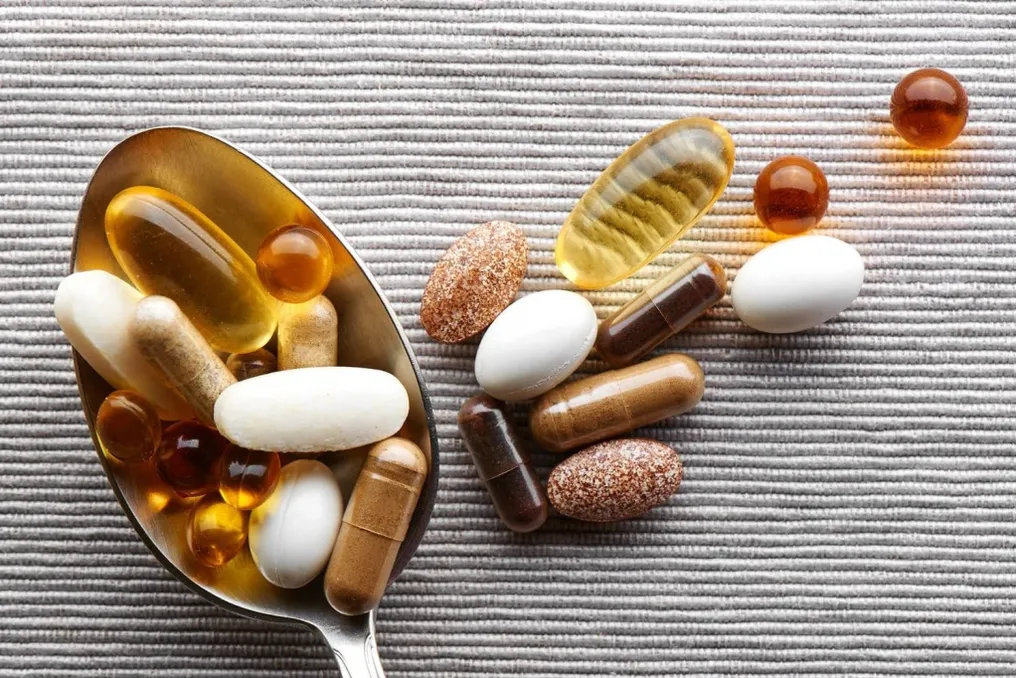
The Competition Committee of Uzbekistan has once again warned advertisers that dietary supplements (DS) must not be attributed with medicinal characteristics. The reason for this reminder is the widespread circulation of advertising materials for DS, ointments, balms, rubs, and infusions, in which these products are presented as remedies for various ailments.
The agency noted that some product advertisements claim their effectiveness in conditions such as diabetes, stroke, gastritis, heart and vascular diseases, liver and kidney problems, arthritis, hypertension, and other illnesses. Such statements can lead buyers to falsely believe that DS possess the properties of medicinal drugs.
The Committee emphasized that the purpose of DS is to replenish the body's daily need for beneficial components, and they are not classified as medicines. According to Article 35 of the 'Advertising Law,' DS advertising must not create the impression of therapeutic action or equate them to pharmaceuticals.
Legislation also prohibits the use of references to recovery cases or improved well-being, consumer reviews, and recommendations, as well as any claims of superiority of the product over medicinal drugs in advertising. Furthermore, any such advertisement must include a warning that the product is not a medicine.
Financial fines are stipulated for violating advertising rules. In light of this, the Committee strongly urged everyone involved in the advertising and distribution of these materials to strictly adhere to established norms and avoid misleading consumers about the product's characteristics.
Previously, employees of the State Security Service, together with the Ministry of Internal Affairs and customs, conducted an operation in Namangan and Andijan regions to curb illegal channels for importing large batches of dietary supplements.