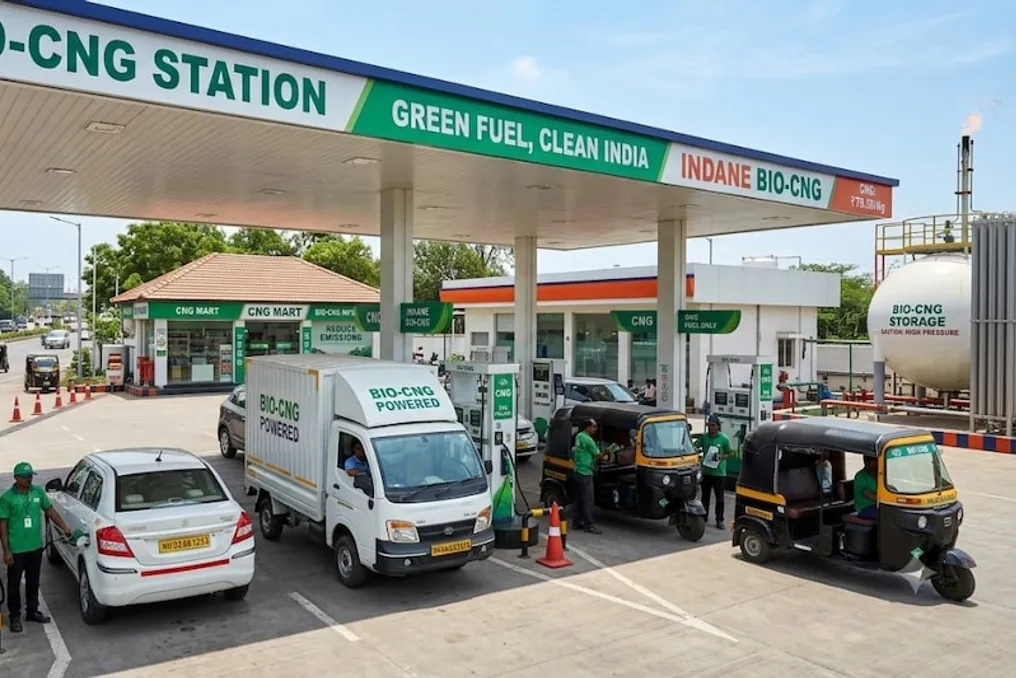
Discussions surrounding E20 have begun to influence the automotive market, causing shifts in consumer behavior. According to July data, consumers are distancing themselves from gasoline cars, which were long considered the most accessible option for Indian buyers. Currently, there is a growing interest in CNG-fueled vehicles, electric vehicles (EVs), and a resurgence in demand for diesel models that had previously almost disappeared from the market.
The question is not only about what types of transport people are purchasing but also about the reasons for this sharp shift towards alternative fuels. Although the gasoline car market previously showed active growth, even during global crises, the gap between gasoline and other engine types has significantly narrowed. Dealers attribute this transition largely to the uncertainty caused by the use of E20 gasoline.
According to the Federation of Automobile Dealers Associations (FADA), the share of gasoline cars dropped to 41.68 percent in July. Meanwhile, the share of CNG, electric, and other fuel types increased to 40.59 percent, narrowing the gap between these segments to just one percent, compared to about 13 percent previously. FADA predicts that if current trends continue, CNG and electric vehicles could surpass gasoline vehicles within the next one or two months.
The main reason for the debate is the introduction of up to 20 percent ethanol (E20) into gasoline. Consumers express concerns about how the increased proportion of ethanol will affect the engines and fuel systems of their cars in the future. Although the government emphasizes the benefits of E20, skepticism remains among the general public. Social media regularly features reports of vehicle damage and reduced fuel efficiency due to the use of E20 gasoline. The government acknowledged in parliament that using E20 could lead to an approximate 6% decrease in fuel consumption for older cars, and there is also a possibility of some rubber parts failing.
Due to these concerns, some buyers are considering alternatives before purchasing a new gasoline car. In addition to CNG and electric vehicles, demand for diesel cars has risen again. Dealers note that uncertainty about the future of fuel is causing customers to either postpone purchases or switch to other powerplants.
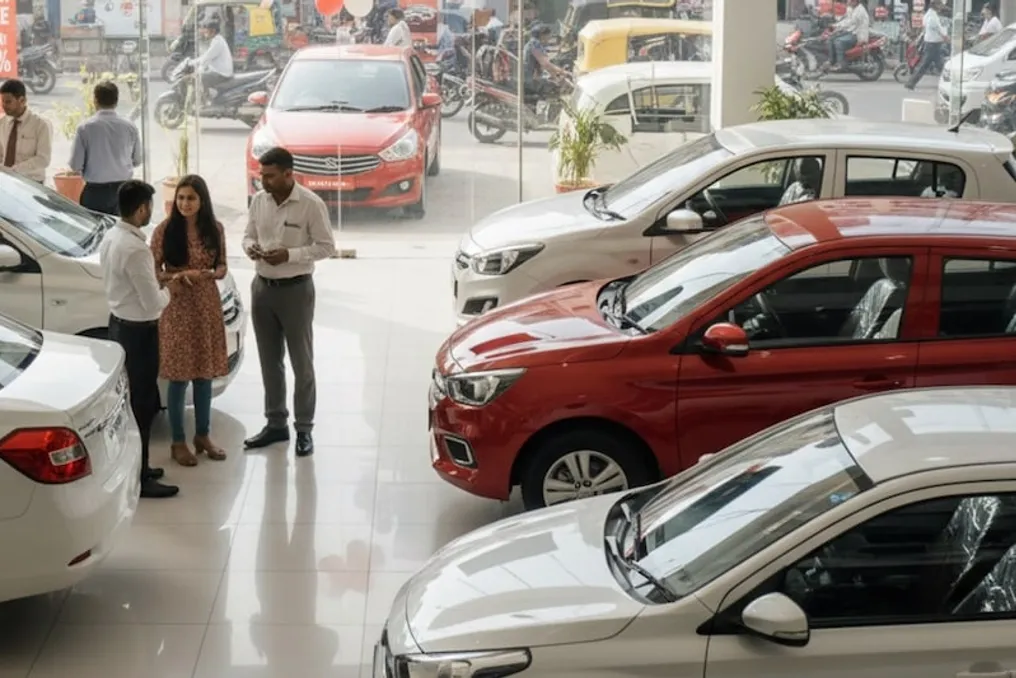
The change in demand for gasoline cars has directly impacted the inventory levels of dealerships. According to FADA, over 25 percent of dealers' stock has an age of 60 to 70 days or even more, whereas normally cars should be sold within 30–33 days. The ideal inventory level for a dealership, according to FADA, is around 21 days.
In July, manufacturers supplied a total of 4.69 thousand cars to dealers, while retail sales amounted to about 4.16 thousand units. This led to an accumulation of stock at dealerships, as the number of supplied cars exceeded the number sold by more than 52 thousand units.
When it seemed that diesel engines would completely disappear from the Indian automotive market, the situation began to change. Maruti Suzuki, a major manufacturer that still holds about half the market, had stopped producing diesel cars in the country back in April 2020. However, in July, the share of diesel cars in the market reached 17.73 percent, which is 1.4 percent higher than in July of last year. This growing demand is also linked to the anxiety surrounding E20. Since there is no similar debate regarding diesel fuel as there is with gasoline, some customers consider diesel cars a more reliable choice. Nevertheless, the government is preparing plans to blend isobutanol into diesel fuel, although the timeline for this is not yet determined. Union Minister of Transport and Highways Nitin Gadkari has repeatedly stated that trials for blending isobutanol into diesel fuel are being conducted.
According to an internal FADA survey, the market situation also reflects these changes. Previously, only 5–10 percent of cars remained in dealer stock for a long time, but this figure has now risen to approximately 25 percent. Two main reasons for this situation are that auto manufacturers and dealers have been unable to promptly adjust production and supplies to match changing demand, and that the change in consumer preferences occurred faster than expected.
The Indian automotive industry is preparing for the festive season. The start of this season is traditionally associated with the last week of August, coinciding with Raksha Bandhan.