A new roadmap for developing logistical interaction between Iran and Pakistan was developed during the visit of an Iranian economic delegation to Pakistan, with the expansion of trade and transit being a central focus.
A new roadmap for developing logistical interaction between Iran and Pakistan was developed during the visit of an Iranian economic delegation to Pakistan, with the expansion of trade and transit being a central focus.
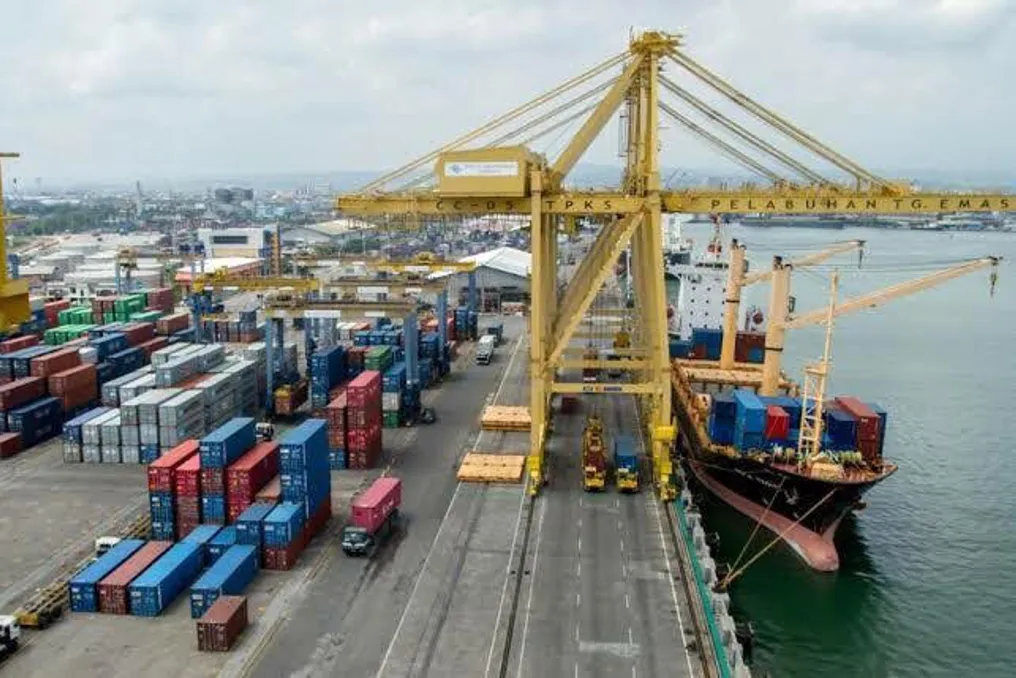
According to the Pakistani side, the number of such containers exceeds 12,000 units. Based on the agreements reached, it was decided that with minimal necessary positive documentation in maritime transport for amendments, the necessary conditions would be provided for the transit or transshipment of containers. Furthermore, the issue of auctioning or declaring these containers abandoned was completely eliminated.
The Secretary of the Shipping and Ancillary Services Association of the Iranian Chamber of Commerce specified that the Pakistani side agreed to maximally reduce warehousing costs for the stranded containers in the port of Karachi. It was also decided to adjust some demurrage costs related to Pakistani shipping companies, and the government of Pakistan will provide the necessary support in this regard.
Polmeh noted that the agreements reached create favorable prerequisites for faster delivery of detained goods into the country and may help solve some problems faced by economic actors.
As part of this trip, members of the Iranian delegation held separate meetings with six Pakistani ministers responsible for various economic sectors. Meetings were also held with the Chambers of Commerce and economic federations of Pakistan to study cooperation issues between the two countries.
One of the important issues raised was the optimization of movement and transportation between the countries. In this regard, it was agreed that Pakistan's active borders would operate around the clock, which could significantly affect the exchange of customs and transport services.
The Deputy Chairman of the Committee on Transport, Transit, and Logistics of the Iranian Chamber of Commerce added that the negotiations also discussed reducing documentation and formalities required for trucks to cross the borders of the two countries, as well as financial mechanisms for developing trade and transport partnership; details on this will be announced by the relevant authorities.
In addition, other sectors of the economy were addressed. For example, areas for joint exploration and exploitation were considered in the mining industry. Negotiations were also conducted regarding the supply of energy, crude oil, and gas.
Polmeh mentioned that directions for developing bilateral cooperation were also studied in the agricultural sector, including issues of supplying and importing products necessary for Iran, including Pakistani rice.
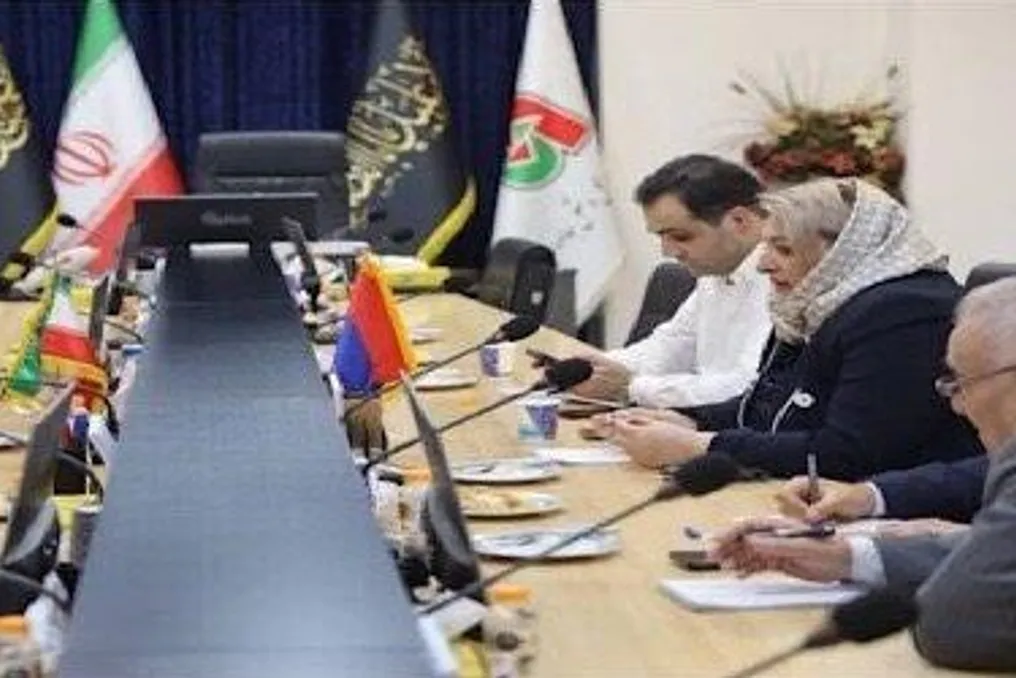
As part of implementing transport diplomacy and developing regional trade, the Deputy Minister of Territorial Administration and Infrastructure of the Republic of Armenia met with the head of the Iranian Road Service and Transport Organization.
The parties exchanged views on ways to develop international cooperation in the field of road transport between the two states. According to IRNA from the Public Relations Department of the Road Service and Transport Organization, representatives of the Ministry of Foreign Affairs, the Center for International Relations of the Ministry of Transport and Urban Development, as well as the Acting Director of the Transit and International Transport Department of the Organization, took part in this meeting. During the meeting, the firm determination of both sides to strengthen transit infrastructure and eliminate existing obstacles was emphasized.
The Deputy Minister of Transport and Urban Development and the head of the Road Service and Transport Organization noted the serious commitment of high-ranking officials of the Islamic Republic of Iran to developing trade and transport cooperation with Armenia. He reported that a draft comprehensive memorandum of understanding was prepared after conducting the transport meeting in Armenia and intensive ministerial-level negotiations between the two countries.
Reza Akbari stated that this draft focuses on areas such as infrastructure development, eliminating barriers at border crossings, reducing or abolishing road tolls, and increasing the capacity of transit parks in the territory of both countries. He highlighted the high potential of Iran's trade exchanges with neighboring states, noting that creating parallel corridors in the region and fully activating the Iran-Armenia-Georgia corridor could significantly increase trade turnover and play a decisive role in the regional supply chain.
During the meeting, the Deputy Minister of Territorial Administration and Infrastructure of Armenia, welcoming the expansion of economic and transport interaction with Iran, presented a report on the progress of infrastructure projects. Galchian stated that the development of transit infrastructure is on the right track, and these measures will effectively contribute to solving drivers' problems, facilitating the movement of transit parks, and improving logistics at the border.
Referring to previous specialized meetings of high-ranking officials of the two countries, he added that another specialized meeting will take place in the near future to study in detail the proposed points of the memorandum of understanding and operational decisions on developing bilateral cooperation. The results of these negotiations will be announced through diplomatic channels.
The Acting Director of the Transit and International Transport Department of the Road Service and Transport Organization also stressed the need for full coordination of executive bodies to achieve common goals. Saeid Hosseini Hosseini stated that these dialogues, conducted within the framework of the Islamic Republic of Iran's macro-policy for developing strategic relations with neighbors and becoming a regional transit hub, are of particular importance and demonstrate the determination of the two countries to overcome traditional obstacles and move towards sustainable economic convergence.