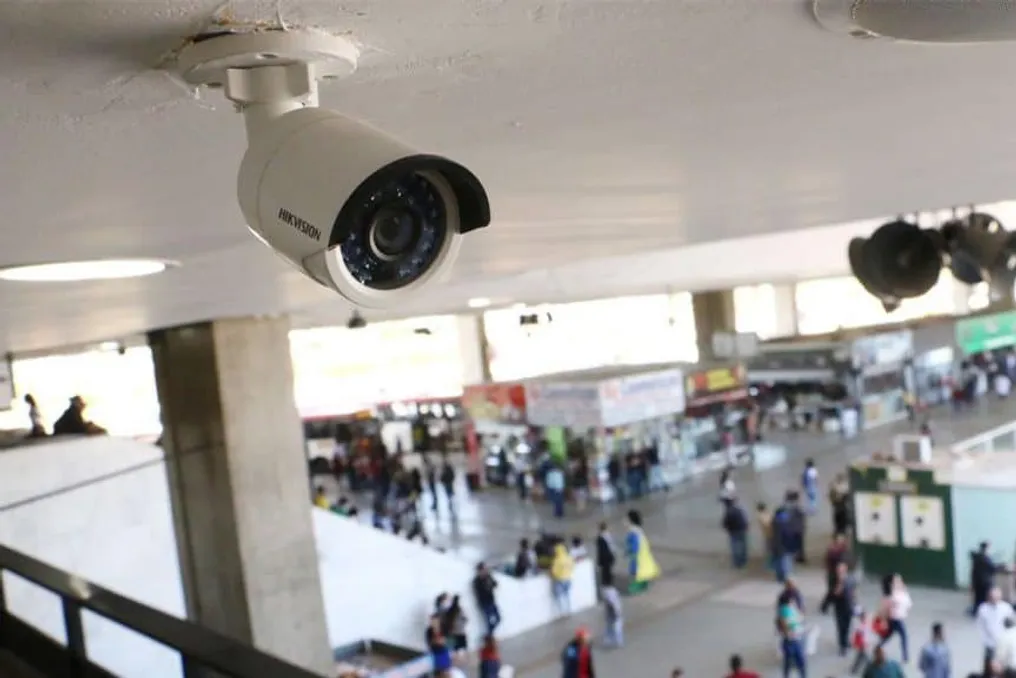
Security cameras equipped with artificial intelligence are already being used by companies in Brazil to detect suspicious behavior, aiming to prevent criminal incidents before they occur.
This technology, known as predictive policing, generates both interest in the private sector and public apprehension. Among the biggest concerns are the lack of adequate regulation and the potential use of these systems to monitor individuals who are not committing offenses.
Previously, captured images were examined by human operators. Currently, processing is done by systems that issue alerts upon identifying deviations from the normal pattern, such as a person remaining static in the same location for a prolonged period.
To function, these systems are trained with images of routine situations and, based on this learning, they can signal when something diverges from this pattern. This training process requires approximately two weeks of analysis to build a robust database capable of recognizing the visual pattern.
It is important to note that the tool focuses exclusively on suspicious human movements, without analyzing physical characteristics; it does not perform facial recognition to assess behavior, nor does it act autonomously upon detecting any unusual situation.
Currently, Brazil lacks specific legislation to standardize predictive policing systems. However, the General Data Protection Law (LGPD) already establishes guidelines for handling sensitive data, including facial biometrics.
In 2025, an ordinance was issued by the Ministry of Justice and Public Security authorizing the use of artificial intelligence by the police, but requiring human reviews in scenarios where fundamental rights are at risk.
A bill currently under debate in the National Congress proposes classifying AI systems used by police agents to analyze large volumes of data, identify profiles, and behavioral patterns as high-risk. This text, which has already been approved by the Senate and is being discussed in the Chamber, stipulates that tools classified as high-risk require human supervision, impact assessment, guarantee of the right to explanation for those affected, and adoption of anti-discrimination measures.