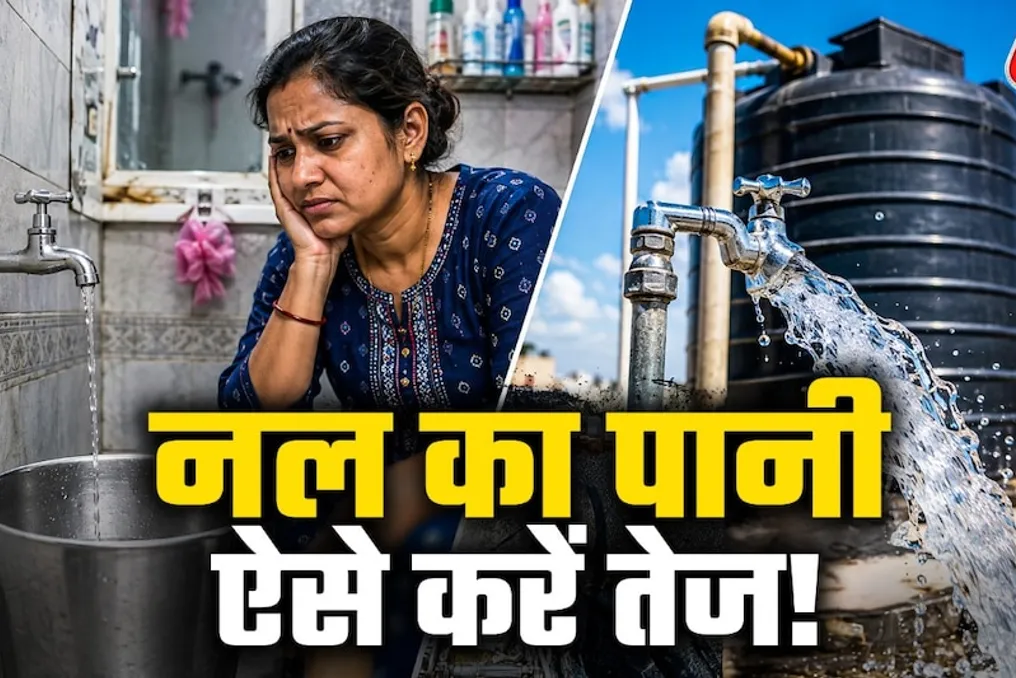
In many homes, mornings are spent in a rush: preparing children for school and oneself for work. In such conditions, it is extremely unpleasant when the water in the shower or from the tap flows too slowly, which can seriously disrupt plans.
Often in such situations, people immediately call a plumber, which entails significant costs. However, if the water pressure from the tap has become weaker than before, it is not always necessary to immediately call a specialist. The cause may be contamination in the water reservoir. The accumulation of dirt, mold, and silt in the tank affects the water flow. Therefore, before contacting a plumber, it is worth trying some simple home methods to improve the pressure.
Causes of reduced water pressure
If the water reservoir is not cleaned for a long time, mineral deposits, rust, or silt can settle on its walls and bottom. This dirt can potentially enter the water pipes, gradually affecting the pressure in the taps. Water may flow, but its stream will not be as strong as before. Consequently, when experiencing low pressure problems, attention should be paid to cleaning the tank, not just checking the pump.
Methods for cleaning the reservoir
To loosen deposits in the tank, white vinegar can be used. A solution must be prepared by mixing approximately one part white vinegar with three parts water. This solution should then be used to clean the tank walls where dirt or mold has accumulated, using a brush to remove scale. Thanks to the acidic properties of white vinegar, it can help loosen certain types of clogs and deposits.
If the dirt on the tank walls is not easily removed, baking soda can be applied. Mix a little soda with water to form a thick paste and apply it to the contaminated areas, gently scrubbing with a brush. After finishing the cleaning, it is critically important to thoroughly rinse the tank with clean water so that any residue of soda or dirt particles does not remain in the system.
Precautions when cleaning
When carrying out work to clean the water storage tank, one must not act rashly. First, the water supply must be completely shut off. It is advisable to wear gloves to protect the skin from the effects of cleaning agents. Also, avoid using overly aggressive chemicals. The most important thing after cleaning is to thoroughly rinse the tank so that no cleaning agent enters the water.
When the problem is not solved by home methods
If the water pressure remains weak after cleaning the tank, the cause may not only be in the tank itself. There may be clogs in the pipes, contamination inside the tap, issues with valves, or insufficient pressure in the overall water supply system. Therefore, if the problem persists or the pressure suddenly drops significantly after home cleaning, it is recommended to contact a plumber to check the piping and other components. Regular maintenance of the tank helps prevent dirt accumulation and maintains the quality of the household water supply.