
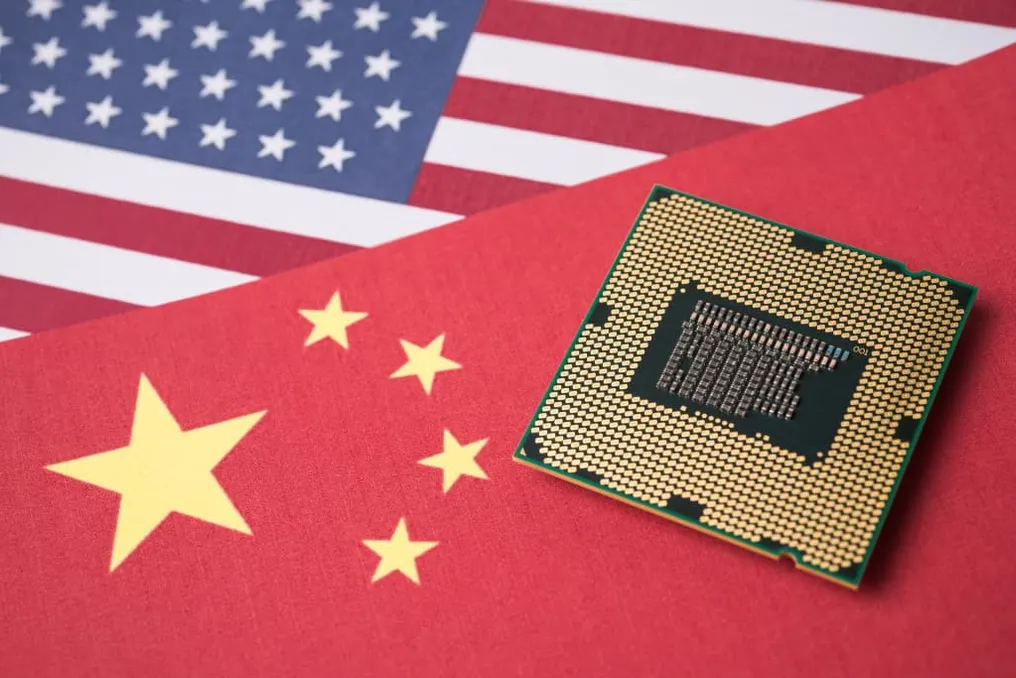
In a context marked by US sanctions against China and the growth of artificial intelligence, which has reduced the supply of memory chips and affected the entire technology sector, Apple has implemented a strategy that could generate future geopolitical consequences.
The company is testing memory chips produced by the Chinese company CXMT in various lines of its products, such as iPhones and MacBooks.
In parallel, Apple has raised the prices of its items globally. The reason given is the increasing cost of memory chips, driven by the high demand from artificial intelligence corporations. Thus, obtaining supplies from China may help the iPhone manufacturer reduce this financial pressure.
However, there are federal regulations that prohibit American companies from transferring technology to companies like CXMT, which includes any exchange of technical information or product specifications. This limitation practically prevents Apple from requesting custom chips from the large Chinese company.
The rules, on the other hand, allow Apple to use CXMT components that are already ready for use and to negotiate prices with the Chinese company. Other notebook manufacturers, such as HP and Acer, have already begun using CXMT memory chips in devices sold outside the United States.
Despite Apple strictly following the established guidelines, there remains the risk of political responses from Donald Trump's government. This demonstrates how much big tech is willing to do to alleviate the tension caused by the chip shortage.