Markets are showing heightened nervousness amid renewed tensions in the Middle East, leading to a rise in oil prices, while Asian technology stocks are experiencing a downturn.
Oil Market Volatility
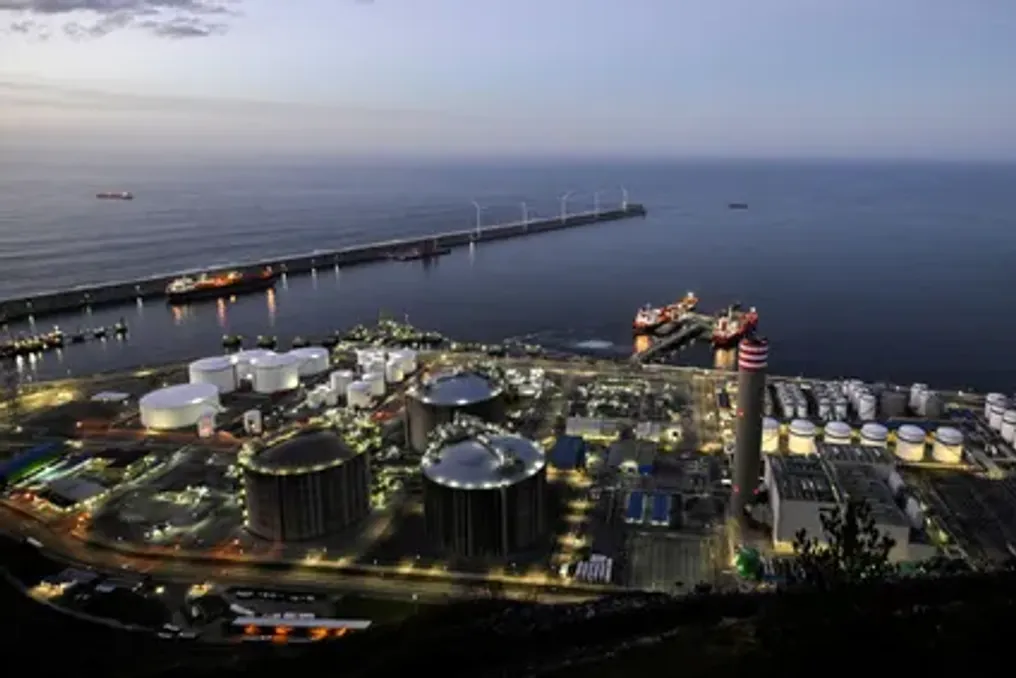
Oil traders faced instability after US and Saudi Arabian military aircraft conducted attacks on Iran-backed militants in Iraq on Tuesday. These attacks followed more than two dozen drone strikes recorded in recent days, according to the US Department of Defense.
US CENTCOM stated that the targets of the attacks were 'Iran-linked terrorists whom the Islamic Revolutionary Guard Corps (IRGC) deployed to attack US forces and Saudi Arabia's energy infrastructure.' Previously, CENTCOM reported that Tehran attempted a surprise attack on American troops in the Middle East using several ballistic missiles, but all were intercepted.
In response, Iran announced on Wednesday the halting of three tankers in the strait through which about one-fifth of the world's crude oil and gas passes. These military actions ended a three-day period of calm that followed after the US and Iran restrained attacks, after nearly two weeks of US night raids on Iran and repeated missile and drone barrages targeting Washington's allies in the Persian Gulf.
Energy Price Dynamics
Both major oil contracts rose by more than four percent on Wednesday. The price of Brent has fluctuated significantly this month: it jumped from around $72 at the beginning of July to over $100 last week before a three-day pause. After the resumption of military action at the start of Asian trading on Wednesday, oil prices surged by more than three percent. At approximately 00:15 GMT, the benchmark West Texas Intermediate increased by 3.67 percent to $82.17 per barrel, and North Sea Brent crude rose by 3.39 percent to $86.94.
Tech Sector Decline
The technology sector came under pressure as traders worry about the colossal amounts being invested in artificial intelligence and question whether companies can justify their high expectations. After two years of growth that led to record highs for many markets and companies, a correction is now underway, with chip manufacturers taking the biggest hit.
Seoul was once again in the spotlight when the Kospi index plummeted by more than 12 percent at one point, continuing the slide that began on Tuesday with a drop of almost 11 percent, due to issues at chip manufacturers SK hynix and Samsung. SK hynix shares fell sharply, losing almost 20 percent after declining more than 14 percent on Tuesday; since reaching a record high a month ago, the company has lost over 50 percent of its value. Samsung also dropped by more than 12 percent.
The latest wave of selling for SK hynix occurred after its operating profit and revenue for April-June came in below expectations, despite net profit soaring by a projected 1242 percent. This firm is a key supplier of high-speed memory chips to the American industry giant Nvidia and forms the basis of South Korea's technologically advanced economy. Josh Gilbert from eToro noted: 'When you are a dominant supplier of high-speed memory that powers Nvidia chips, the AI boom directly affects your profits. This means the market is unlikely to focus only on headlines; a more important question is whether margins and forecasts can justify its recent dynamics.'
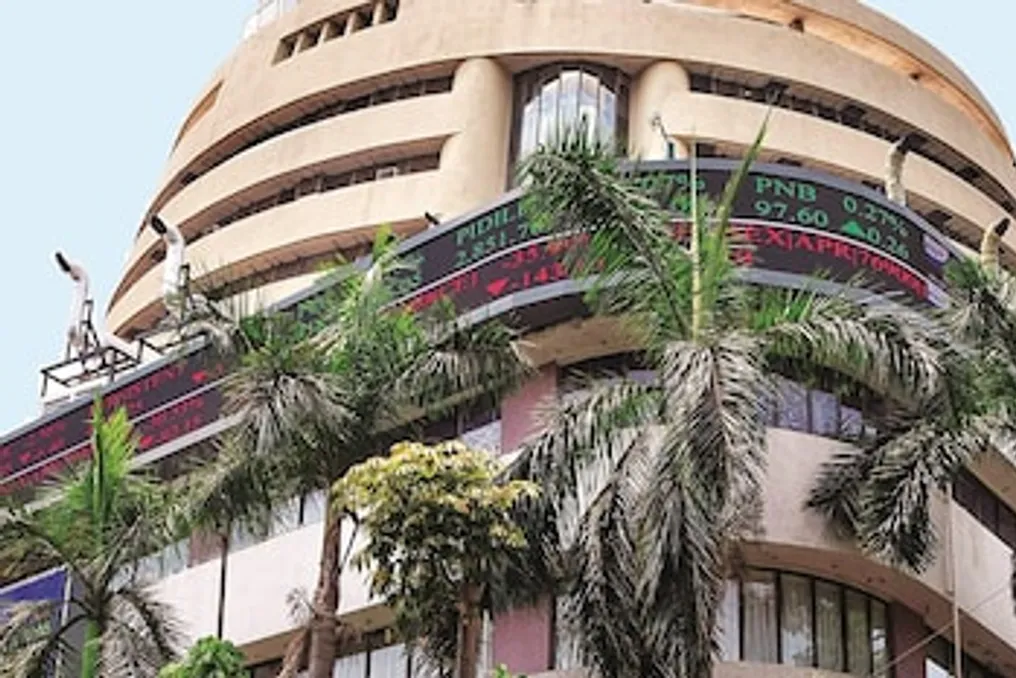
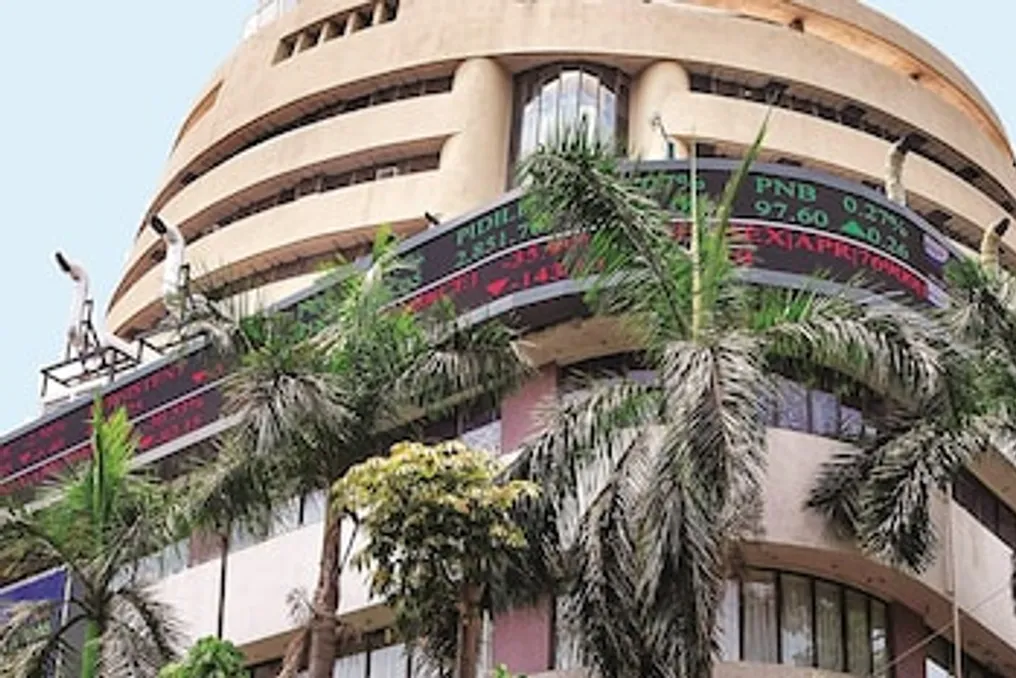
A similar situation was observed in Tokyo, where the market fell by about three percent, and chip manufacturer Kioxia declined by 13 percent, while Tokyo Electron lost 12 percent. Taipei lost five percent, and the industry heavyweight, chip producer TSMC, fell by four percent. Although Shanghai and Jakarta also showed declines, the rest of Asia saw gains: Hong Kong rose by more than one percent, outpacing its technology sector, which experienced a difficult first half. Sydney, Singapore, Wellington, Manila, and Mumbai also rose.
Samsung is preparing to release its earnings report on Thursday, and Kioxia, along with American giants Microsoft, Meta, Apple, and Amazon, also plan to announce results.
Fed Rate Expectations
On Wednesday, the Federal Reserve (Fed) concluded its two-day meeting. Most traders expect interest rates to remain unchanged, but there are concerns about a potential unexpected decision. Uncertainty is amplified by the new chairman Kevin Warsh's refusal to publicly share his opinion on the economic forecast, which is part of his proposed reforms to reduce the volume of forward guidance provided by the central bank.
Investors remain cautious, even though recent data indicated weakening inflation, a slowing labor market, and falling oil prices. Matt Weller from City Index stated: 'Assuming the Fed keeps rates unchanged, traders will closely watch for potentially stronger descriptions of inflation risks and/or possible wording signaling an unconditional tightening.' However, he added that Warsh has previously expressed skepticism towards such far-reaching comments.
He also emphasized: 'It is critical that at least a couple of Fed members are likely to vote for an immediate rate hike, going against the majority if necessary.' Weller concluded: 'A third (or fourth) dissent in favor of raising rates would certainly represent a plausible hawkish surprise and could strengthen the US dollar against risk assets.'