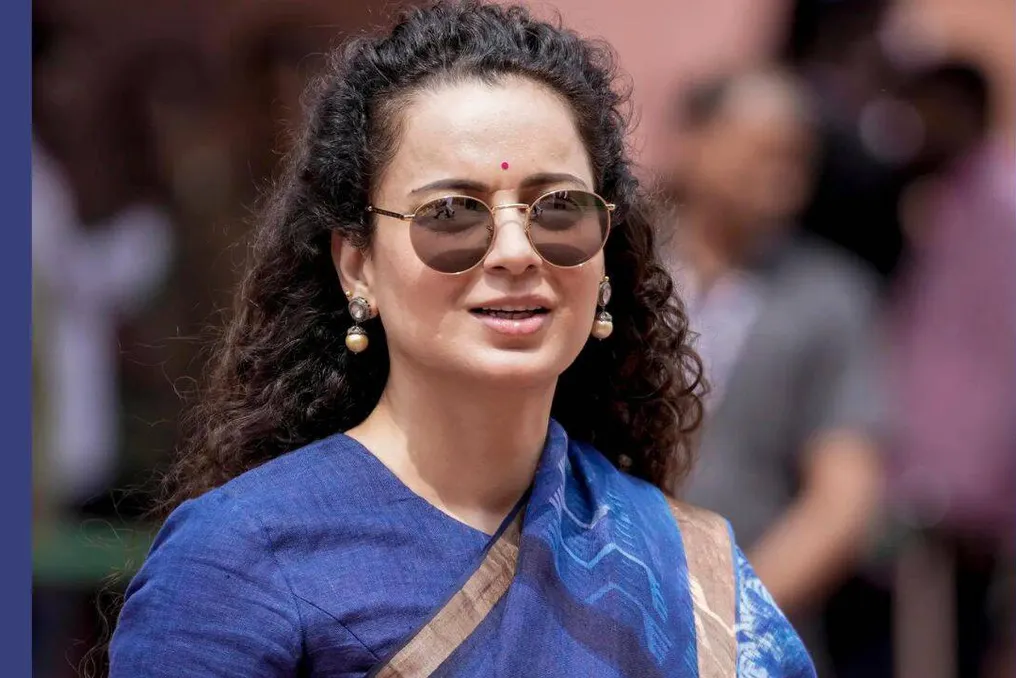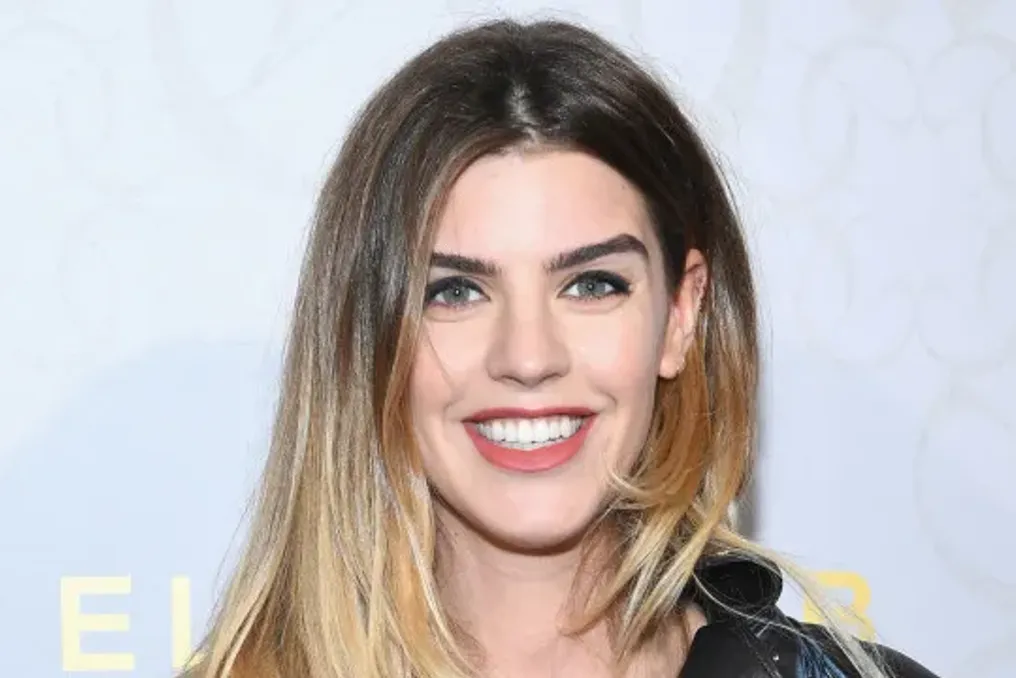
The Arab-American businesswoman Elissa Freiha argues that the perception of Arab women is still shaped by stereotypes. She states that presenting a strong, confident, empowered woman who is not a victim can replace this stereotype with a representation more faithful to reality.
Freiha, who was born and raised in Paris, France, and currently resides in Geneva, Switzerland, spoke with the Lusa agency about her work. She founded Womena with the goal of allowing Arab women to speak for themselves and have their voices amplified.
This feminist digital platform has been operating for 15 years and is dedicated to giving visibility to the narratives and voices of these women through various formats, including articles, podcasts, films, art exhibitions, and projects.
Freiha clarifies that Womena does not cover conventional news, but rather attempts to address their perspective on major events. She summarizes the work by saying they facilitate a platform for women who have already achieved remarkable feats, possessing specific worldviews, offering them a wider public reach.
She highlights that Womena's audience extends beyond Arab borders, reaching across Europe, North America, and South America. The businesswoman points out that in the last 15 years, the space to hear female stories has grown exponentially, contrasting with the initial period of Womena, when it was almost the only similar platform.
Elissa Freiha felt the lack of a specific feminist perspective for Arab women, criticizing the imposition of an overly Westernized view. Womena confronts the fetishization of Arab women, which she believes exists only in people's imaginations, by presenting the nuances of reality.
Commenting on the condition of women in the Middle East, she disagrees with the idea that it is harder to be a woman in that region, stating that it is difficult to be a woman in the current world. She observes that social media allows one to see that women in Portugal, Germany, Brazil, Canada, and Iraq share similar frustrations, indicating that the threat to female safety is a global problem.
Freiha criticizes the false narrative that it is harder to be a woman in certain parts of the world, as this serves the purpose of portraying Arab women as victims dependent on Western aid, ignoring the deep suffering of Western women.
Like other women, Arab women have achieved both successes and challenges, registering significant advances in human rights, such as in the fields of health and parenthood. In fact, the perception that Arab women's rights are inferior resulted in increased funding, both national and international, leading local governments to focus on improvements.
Although she acknowledges that there is still much to be done, she points out that in Western Europe, feminism seems to have reached a point where it is not possible to observe where human rights violations occur under one's own roofs. When discussing regional conflicts, Freiha shows emotion, given that she has relatives in several affected countries.
She recalls that women and children are historically and globally the most affected by armed conflicts, as no war fails to impact civilians. She cites a US attack on a girls' school in Minab, southern Iran, during the US and Israeli offensive against Iran late last February.
The activist warns that those who commit acts of violence in the region show great disdain for civilian life, predicting negative impacts on future generations. Current conflicts are driven by brutal armies that contaminate the land and openly attack women and children with the intent of preventing reproduction.
In this scenario, it is women who strive to rebuild homes and care for the next generation. Freiha, with an assertively feminist stance, sees war as the peak of patriarchal colonial toxicity. Therefore, she argues that conflicts cannot be addressed without addressing the system that makes them possible and protects them.
Womena seeks to offer a counterpoint to this toxicity, based on the belief that the patriarchal system affects not only women but everyone, everywhere. After difficult periods, Freiha projects an optimistic future, believing that feminism will be recognized in the fight against a system that harms everyone, benefiting only a small elite at the top of the power chain.