The lack of water, sanitation, and hygiene constitutes a serious challenge in various countries; however, the Sahel region—a semi-arid belt crossing the African continent—is where the highest number of deaths, school dropouts, illnesses, and migrations are concentrated.
Data compiled by UNICEF and the World Health Organization, although not yet released, reveals that approximately 28% of children in Africa do not have access to safe drinking water, according to a specialist and manager of the UN's WASH (Water, Sanitation, and Hygiene) program.
This specialist warned that there are nearly 200 million African children without access to running water, emphasizing that this number almost doubles when inadequate sanitation is considered. Martina Rama detailed that up to five years of age, the child's immune system is more vulnerable, and the lack of access to water and sanitation causes various diseases, with diarrhea being the most common, alongside respiratory infections, malnutrition, and parasites.
Previous reports, dating back to 2019, already indicated that 264,000 children in this age group died in a single year due to health problems linked to water and sanitation scarcity.
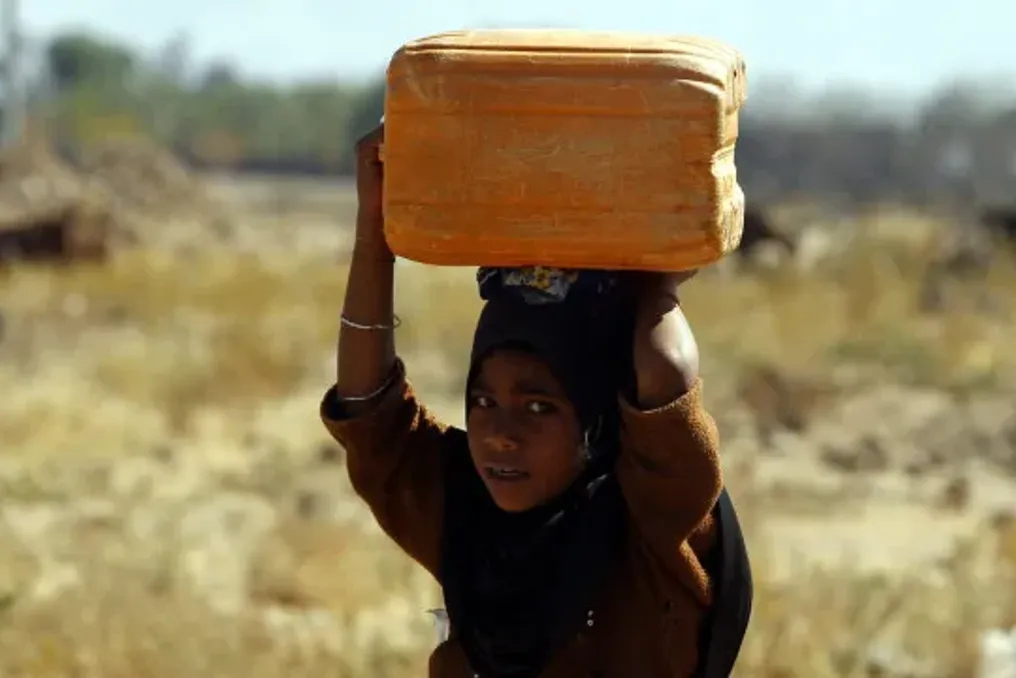
Girls are the most affected group by this situation. Martina Rama explained that they often assume the responsibility of fetching water when taps are unavailable at home or in the yard. This involves walking for one or two hours daily to a well, waiting in line, and then returning home.
This routine hinders the school attendance of many girls, leading to early school abandonment. Even when they manage to continue their education for a few years, they face practical obstacles during adolescence, such as menstrual hygiene, which is directly linked to sanitation, especially in the absence of sanitary facilities at school. The specialist observed that this difficulty, combined with the shame inherent to the age, causes several young women to miss classes once a month, often culminating in complete dropout.
The problem transcends the youngest, presenting enough severity to affect entire communities and generate conflicts between neighbors, which the specialist predicts as one of the most urgent issues in the near future.
In the Sahel region, where drought is severe and water resources are scarce, disputes are emerging between settled communities, farmers, and nomadic pastoralist communities. She admitted that there were historical balances between these two groups, but that this is no longer the case.
When one community has water, for example, through a well, and another tries to use it, the well custodians may deny access, claiming exclusive ownership, which triggers numerous conflicts. These confrontations tend to escalate, and, according to Martina Rama, the only way out is often migration, either to other areas of the continent or to more developed countries.
The responsible party also warned that climate change exacerbates the scenario, as reduced rainfall prevents water sources, such as rivers and lakes, from filling sufficiently to meet needs during dry periods.