In connection with the celebration of Women Farmers' Day, activists stated that working conditions sometimes negatively affect their well-being and mental health.
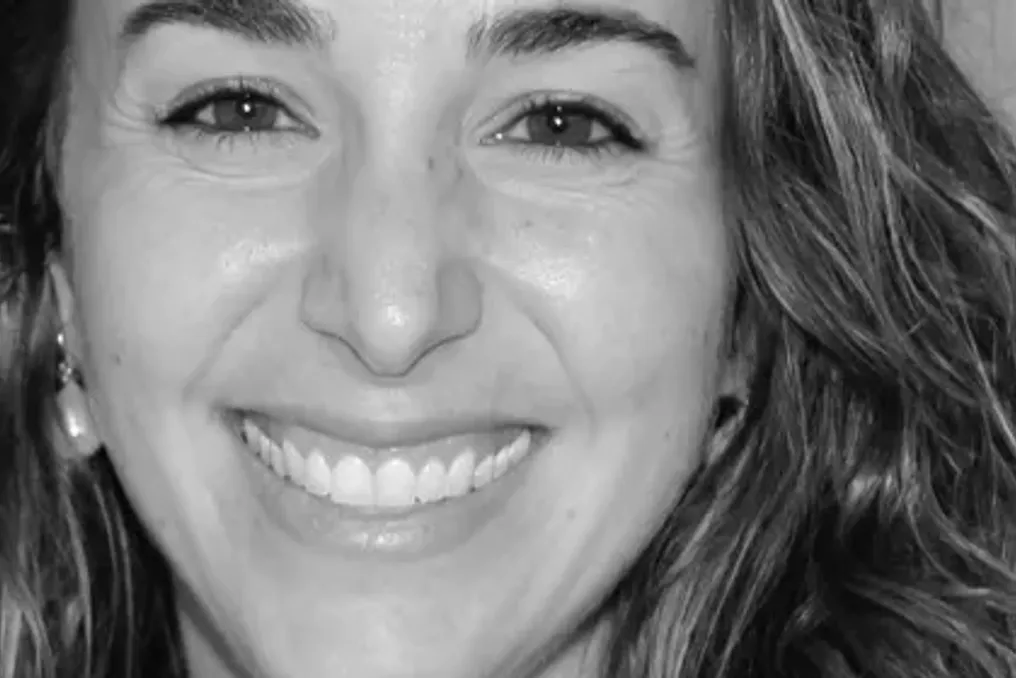
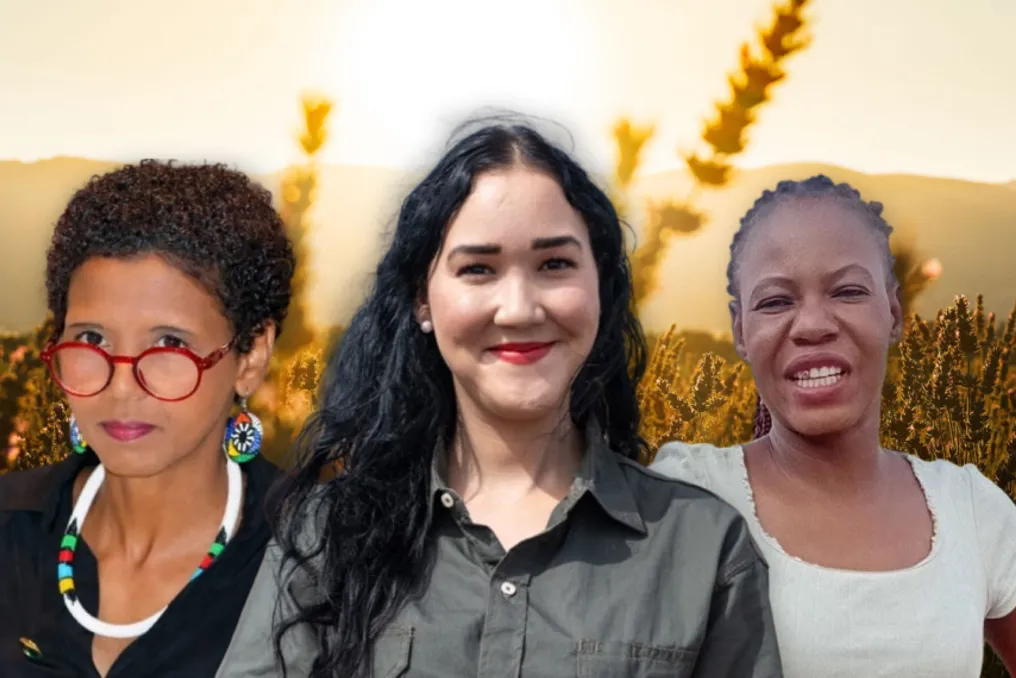
Eliza Gerda Buiks, founder of G&E Beukes Boerdery, located 15 km from Keimos in the Northern Cape, shared her experience. She noted that working in a male-dominated field presents a serious challenge, yet she remains resilient.
Buiks recounted that at auctions, buyers often approach the men standing nearby, ignoring her even though she is the cattle owner. Initially, the constant need to prove her competence caused significant tension, leading to feelings of insignificance and anxiety, as well as doubts about her own, actually sound, decisions. Over time, she learned to manage this mentally, asserting that her results speak for themselves, and competence does not require external validation.
Furthermore, Buiks pointed to financial pressure, as women find it harder to obtain loans or support. She also constantly worries about safety, such as when inspecting fences alone or traveling to remote settlements, as well as cattle theft. She emphasized that this low-level vigilance itself is a quiet mental load that many men in the industry do not experience to the same extent.
Rebaone Alesia Paul, a farmer engaged in livestock and crop farming in Ghaniese, Northwest, believes that it is exhausting for women to constantly prove their ability to lead, which can lead to emotional exhaustion and decreased self-confidence. She noted that many female farmers work in remote areas where access to mental health services, farming networks, and support groups is limited, intensifying feelings of isolation and hindering problem discussion.
Paul explained that women managing farms or agricultural enterprises may feel pressure related to the need to succeed while simultaneously meeting expectations as caregivers, mothers, wives, or community members. She stressed that supporting the mental health of female farmers requires acknowledging that their difficulties are not only agricultural but also social and emotional. According to her, ensuring access to resources, mentorship, farming networks, and mental health support will help female farmers thrive and strengthen South Africa's agricultural sector.
Independent agricultural consultant Emerintia Patienya stated that every working woman carries multiple roles, which can be very stressful. She explained that a female farmer must not only manage the business but also run it profitably. In addition to the hard work of successfully running a farm, she must care for her family. Criminal activity can cause intense fear in a woman, triggering anxiety and stress; if she lacks a partner for support, this becomes a heavy burden and increases financial strain.
Patienya also pointed out that stereotypical issues persist in the modern world, causing women to be perceived as less capable than men, especially in roles traditionally associated with male labor. Consequently, women often have to operate with fewer resources and support systems, leading to higher levels of anxiety and burnout. Moreover, women face less access to land ownership, financing, training, and decision-making, which generates constant uncertainty. She added that although the situation has improved compared to previous years, huge problems still remain.
Buiks shared methods that helped her overcome difficulties. She noted that community became the true safeguard of her mental health. Female farmers around her began to show more focused interest in each other, sharing effective practices, warning each other about risks, and simply asking, 'How are you holding up?'. She also learned to practice practical self-care: setting small boundaries for rest, talking to someone when things become too difficult, and not trying to endure exhaustion in silence.