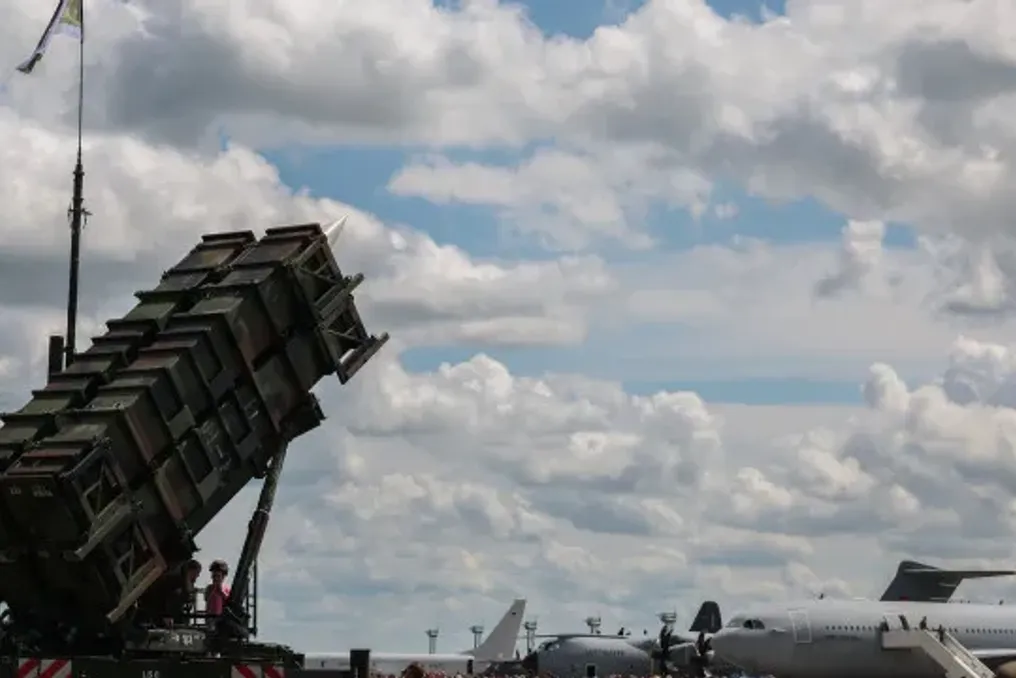
A Pentagon representative, Sean Parnell, stated in a Saturday announcement that the Department is actively working to stimulate ammunition purchases to ensure the US military has 'weapons at the pace required by the threat.'
Parnell confirmed the Pentagon's efforts last week to significantly speed up weapons production but emphasized that this is part of a broader modernization program that began even before the conflict, which has been ongoing for five months.
US Deputy Secretary of Defense Steve Feinberg sent a letter to industry leaders on Wednesday, giving them no more than 21 days to submit plans for 'reducing delivery times and aggressively increasing the production of critical capabilities.' According to a memo obtained by The Washington Post, Feinberg stated: 'Development cycles lasting several years are unacceptable. We must sharply accelerate our program schedules and expand our manufacturing capacity right now.'
This memo appeared against the backdrop of recent clashes with Iran, which have further depleted already reduced stockpiles of advanced US missile interceptors. Analysis suggests this could expose American troops to greater risk if hostilities resume.
According to the Center for Strategic and International Studies (CSIS), a Washington think tank, the reduction in Patriot and THAAD interceptor stocks may force the US and its allies in the Middle East to take greater risks to maintain these air defense systems.
The Center noted that US forces may launch fewer missiles against approaching Iranian drones and rockets, increasing the probability that one of them will pass undetected.
In recent days, US President Donald Trump expressed irritation over public reports of ammunition shortages, posting on his social network Truth Social on Saturday that the US possesses 'massive quantities' of ammunition and that 'large volumes are being produced and shipped to the US as needed.'
On Saturday, Parnell confirmed that the memo aimed at rapidly increasing weapons production is 'real,' adding that it 'will affect the budget for fiscal year 2028 presented to Congress for funding and fully aligns with our ongoing efforts to restore the defense industrial base.'
Currently, the defense spending bill is deadlocked in Congress. Legislators are outraged by Trump's military action against Iran and resist the White House request for a substantial increase in the Pentagon's budget to $1.5 billion (€1.37 billion) compared to approximately $900 billion (€825 billion) last year.
CSIS calculated last month that the number of Patriot interceptors dropped from 2,330 to 1,030 after the April ceasefire took effect. Following recent clashes, the stock is now estimated to be between 759 and 827, representing a decrease of at least 65% compared to the period before the conflict.
CSIS also reported that the number of THAAD interceptors decreased from 452 to a range of 232 to 262 at the beginning of the April ceasefire. Although the US managed to replenish some stocks to 234–278 interceptors, the stock is still 38% lower than pre-conflict levels.
Furthermore, the US Armed Forces announced this week the opening of ranges for private companies developing missiles, drones, and other weaponry, hoping to acquire them faster for combat use.