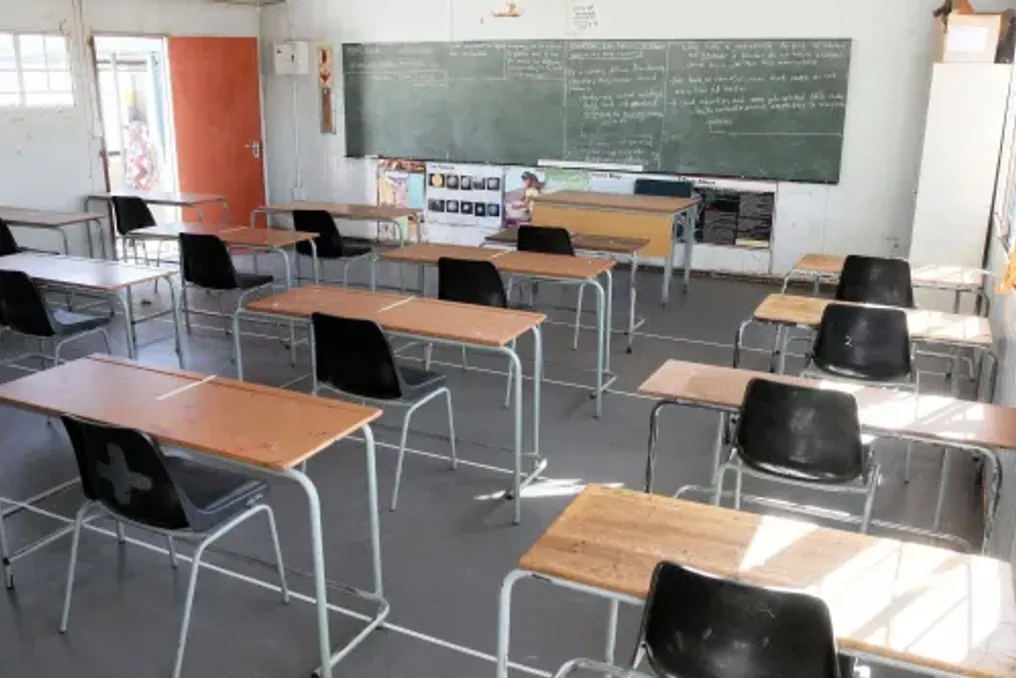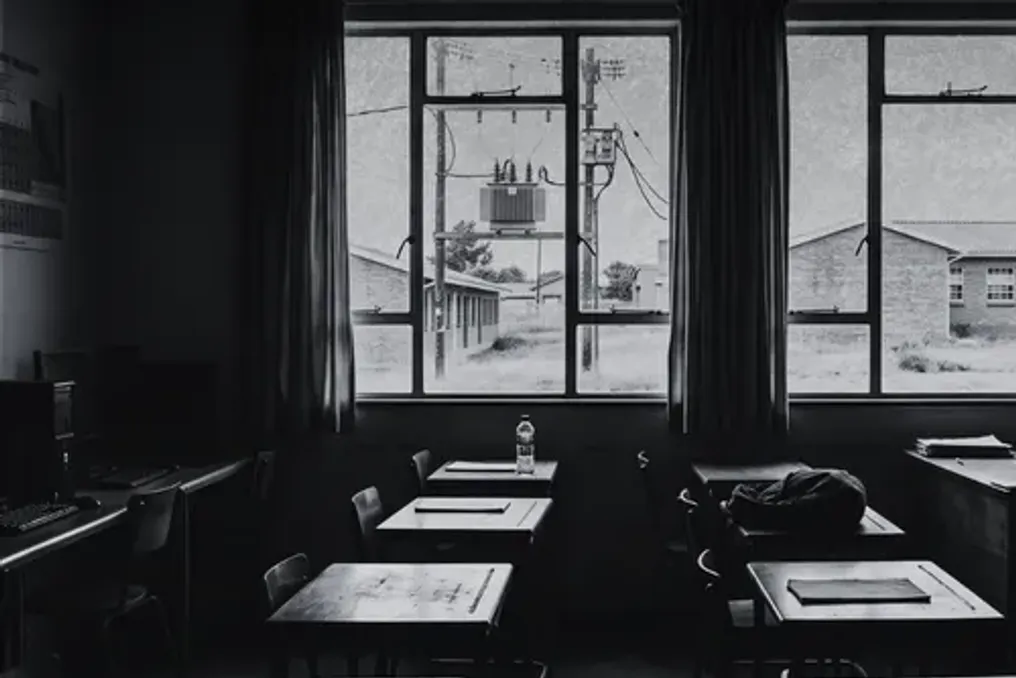
Despite an overall improvement in electricity availability across the country, nearly 400 public schools in South Africa have experienced prolonged or complete power outages over the past two years.
The Minister of Basic Education, Siswive Govu, reported in Parliament that 397 educational institutions were affected between April 2024 and March 2026. The causes cited for these interruptions include infrastructure damage, transformer failures, vandalism, power supply disruptions, and billing disputes.
This data was presented in a written parliamentary response by EFF Member of Parliament Lathiti Arries, who requested information on the number of affected schools and the measures taken to ensure stable power supply.
Arries noted that many schools nationwide have operated without electricity for extended periods over the last two years. Govu clarified that the figures are based on reports from provincial education departments.
Distribution of Problems by Province
The highest number of affected schools was recorded in the Eastern Cape province, accounting for 324 out of 397 cases, which exceeds eight out of ten national reports. Gauteng recorded 19 cases, followed by Free State and Mpumalanga with 13 schools each, KwaZulu-Natal with 12, while Limpopo, North Cape, and West Cape reported five affected schools, and North West reported one.
Govu emphasized that this statistic should not be interpreted as the total number of schools that have been without electricity. She explained that only information about specific schools recorded by provincial departments during the reporting period is included, not individual outage incidents. Furthermore, she added that the nature and duration of the interruptions varied among schools and provinces, with some departments indicating periodic outages.
Causes of Failures Related to Infrastructure and Supply
This data comes amid government statements about achieving progress in stabilizing power supply after years of scheduled outages, with the focus shifting to increasing the reliability of the entire system. President Cyril Ramaphosa stated during his address on the state of the nation in 2026 that the government had 'ended load shedding' and created a more resilient energy system. He highlighted the need to transform the energy system to ensure long-term energy security.
However, the government acknowledged that improvements in energy generation do not automatically resolve issues in local distribution networks. Minister of Energy Kgosiyenso Ramokgopa previously pointed to difficulties in distribution systems, including pressure on infrastructure, vandalism, and illegal connections, asserting that some interruptions are related to network problems rather than a lack of generating capacity. He stated: 'It is not a generation problem. It is a localized network protection measure.'
Govu's report reflects similar complexities at the school level: provincial departments report that interruptions are caused by electrical infrastructure failures, transformer damage, power supply disruptions, vandalism and theft, as well as billing disputes and shared use of transformers with neighboring communities. The Minister clarified that not all cases are related to the absence of electrical infrastructure in schools; in some instances, schools had connections but experienced outages due to failures or disputes in the external power supply system.
According to Regulations concerning minimum uniform norms and standards for public school infrastructure, every public school must have adequate power supply conforming to applicable laws and sufficient for the school's needs. Acceptable forms of supply include grid electricity, generators, solar, and wind energy.
Response Measures and Support
Provincial education departments reported several intervention measures, including installing solar panels where possible, providing temporary generators until permanent solutions are developed. They also engaged with municipalities, Eskom, and other power suppliers to restore supply, repair damaged infrastructure, and ensure dedicated transformers in schools affected by shared infrastructure. Reliable electricity is critical for learning in schools, computer labs, internet connectivity, administrative systems, safety infrastructure, and other daily operations.
Govu stated that provincial education departments remain responsible for planning, implementing, and maintaining school infrastructure, while the Department of Basic Education sets national norms and standards and monitors their compliance. The time required to restore power depends on the cause of each interruption. She concluded that the required intervention and time for restoration or stabilization vary depending on the cause of the interruption, the responsible power supplier, the specific conditions of the facility, and the availability of necessary infrastructure and funding.