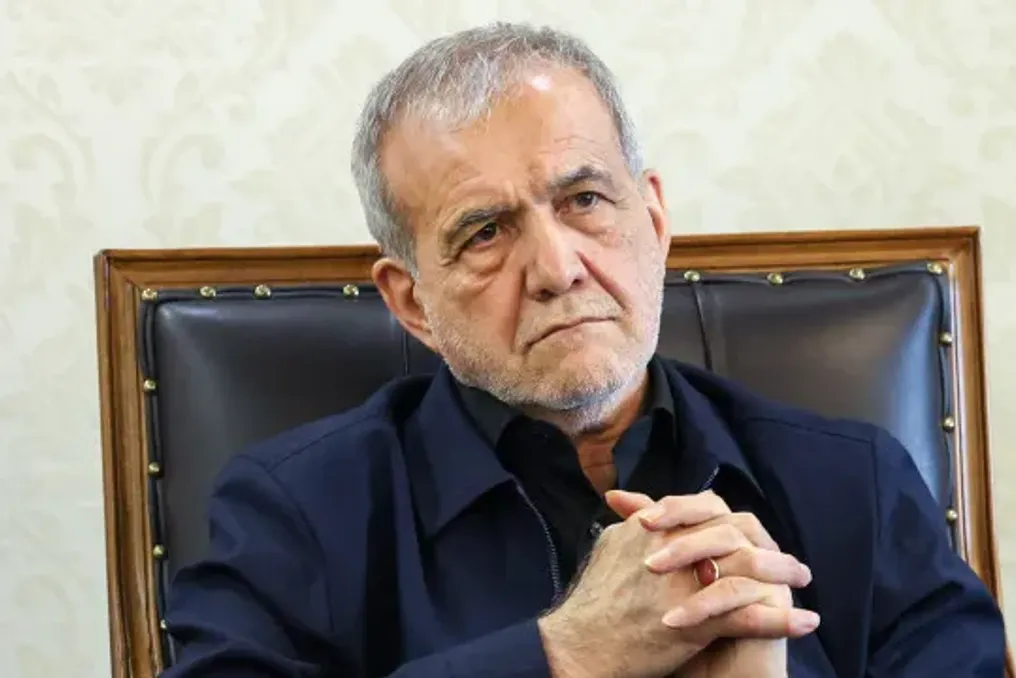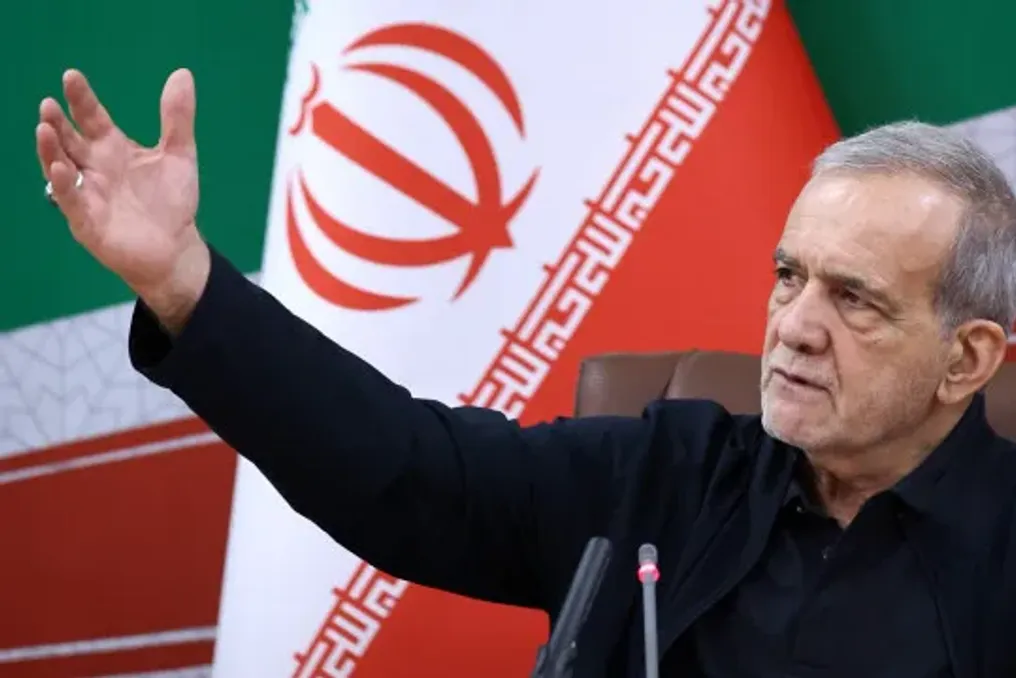
Masoud Pezeshkian, the President of Iran, stated that his primary concern is the economic situation and the living conditions of the population. He emphasized that the government is making maximum efforts both before and after the war to resolve issues related to citizens' sustenance and the economy.
The Iranian President noted that rising prices are 'absolutely unacceptable.' He pointed out that since taking office on July 30, 2024, the country has faced daily problems that have been exacerbated by the start of the war on February 28, when Israel and the United States began bombing the country.
Among other problems causing concern for Masoud Pezeshkian are imbalances in sectors such as water supply, electricity, gas, oil, ecology, administrative management, and the banking system.
The Iranian President expressed the view that the United States and the Israeli regime believed that existing internal imbalances would facilitate their attack and the 'overthrow of the Islamic Republic.' He insisted on the necessity of maintaining internal cohesion in the face of the war, which, according to the Spanish news agency EFE, has already resulted in the death of over 3,400 people, damaged military and civilian infrastructure, as well as industrial and petrochemical facilities.
Masoud Pezeshkian warned that the country cannot be subjugated and forced to accept certain demands through war and missiles, but this is possible through internal disagreements, division, and conflict.
The leader of Iran also appealed to the media to help prevent the deepening of social and political divisions in the country, six months after the anti-government protests in January, which demanded the abolition of the Islamic Republic.
These January protests were suppressed by the authorities during an operation that, according to government data, claimed 3,117 lives. However, human rights organizations, such as Activists for Human Rights in Iran (also known as HRAI and HRA), claim that the number of victims exceeds 7,000.