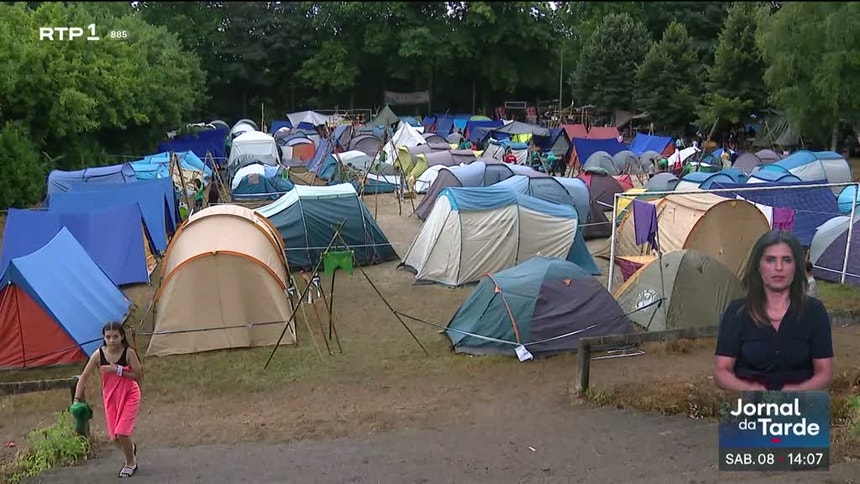
More than five thousand young scouts from various regions of the country gathered this week to take part in the Braga Regional Camp.
More than five thousand young scouts from various regions of the country gathered this week to take part in the Braga Regional Camp.
The event brought together a large number of participants, exceeding the mark of five thousand scouts who came from across the national territory to attend this regional meeting.
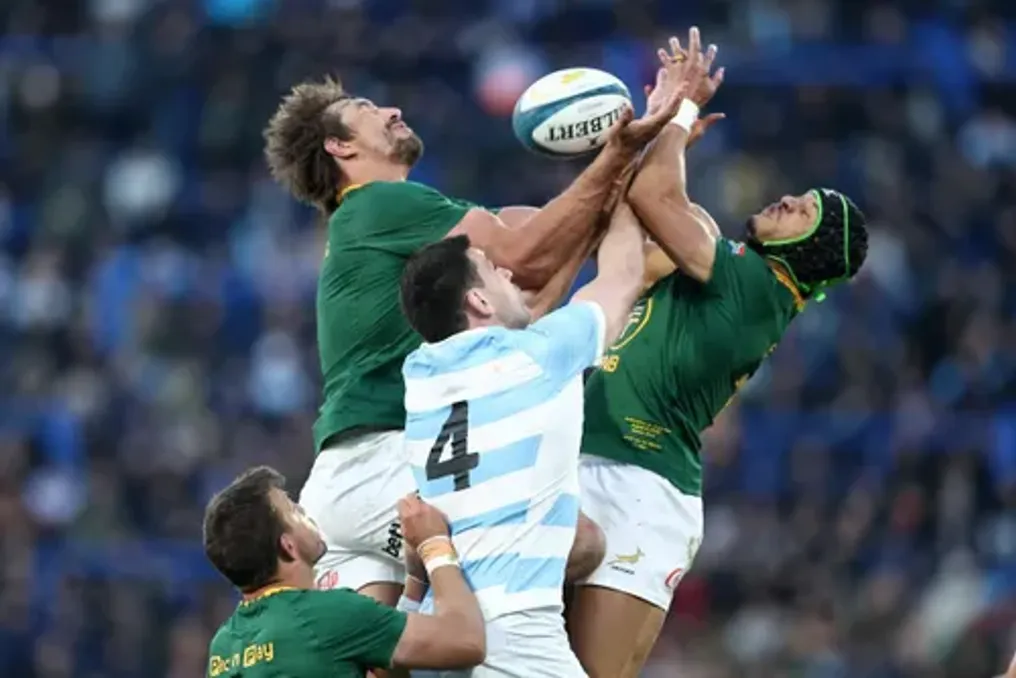
In a friendly rugby match, the South African Springboks played against Argentina at the José Amalfitani Stadium in Buenos Aires. Springbok coach Rassie Erasmus predicted that the game would be a tense battle, and his prediction proved correct.
Despite the Springboks team appearing unbalanced, they ultimately won with a score of 17-10, managing to succeed only after having to fight for every ball in the final minutes.
However, this match, which exposed the vulnerability of the world champions, proved to be valuable experience ahead of the series against Albacore, as it served as a serious reminder that the Springboks can make mistakes when not in top form. The main goal of the game was to bring several injured players back into the squad, but serious concern arose when captain Siya Kolisi left the field after 15 minutes because, apparently, the hamstring injury that previously kept him out of the World Cup recurred.
The start of the match was unsuccessful for the Springboks, especially for Cameron Hanekom. Immediately after the starting whistle, Hanekom received a warning for grabbing a Puma player by the neck; he managed to avoid a yellow card, but Santiago Carreras punished this error by scoring three points within the first two minutes.
In the sixth minute, Pablo Mater was caught offside, and Sasha Feinberg-Mngomezulu equalized, but the recent clumsiness of the Springboks continued to show. A short while later, Argentine flanker Benjamin Grondon managed to break through after an out-of-side play deep in the South African defense zone and scored, allowing the Pumas to take the lead with a score of 10-3 just 13 minutes in.
The last thing the Springboks needed was to allow the motivated home team to gain momentum in front of a passionate crowd in Buenos Aires. In the 15th minute, the Springboks won a penalty kick, and the visitors held possession in the Pumas' zone for a long time, but then lost possession due to an error during the out-of-side play.
The situation was worsened by Kolisi leaving the field, head down. Frankly, the Springboks' performance in the first half was sluggish—at times almost uninteresting due to a string of errors.
Nevertheless, they are world champions for a reason. At the end of the first half, Edwill van der Merwe found space on the right wing and, using almost the first contact with the ball, ran towards the goal, scoring a very important try. The goal was secured by a well-executed play, during which Kanaane Mudie freed Afelele FASSI at the right moment, allowing the fullback to send Van der Merwe forward. Feinberg-Mngomezulu converted the try, bringing the score to 10-10 at halftime.
Hanekom, who made errors at the beginning of the match, became the best player for the Springboks by this point. The start of the second half did not bring significant improvement in terms of composure, and the Springboks were able to hold their position because Carreras' penalty kick hit the post and bounced back into play, which ultimately allowed the visitors to stay in the game.
After this, the Springboks increased the tempo, and sustained pressure led to two potential tries that were sent for review by the TMO, although neither was awarded. When there were three quarters left in the match, the teams continued to hold at 10-10.
The game changed after the entry of Andre Pollard. This experienced wing-half immediately stabilized the Springboks, restoring structure and control that were lacking. Feinberg-Mngomezulu struggled to dominate the game. Then came the decisive moment. Pollard made an accurate pass into the Argentine defense zone, and from the subsequent out-of-side play, the Springboks passed the ball to Hanekom, who broke through and scored the decisive try. Pollard converted it, giving the Springboks a 17-10 lead.
The Pumas threw all their strength at the guests in the final minutes, but the Springboks' defense held up under immense pressure, securing a deserved victory. Although it was not a performance of highlight reels for the national team, perhaps that is why it was so valuable. The Springboks were not in form, prone to errors, and sometimes looked uncomfortable, but they found a way to win in a hostile environment. Considering the upcoming meeting with Albacore, they understand that they will have to perform significantly better.
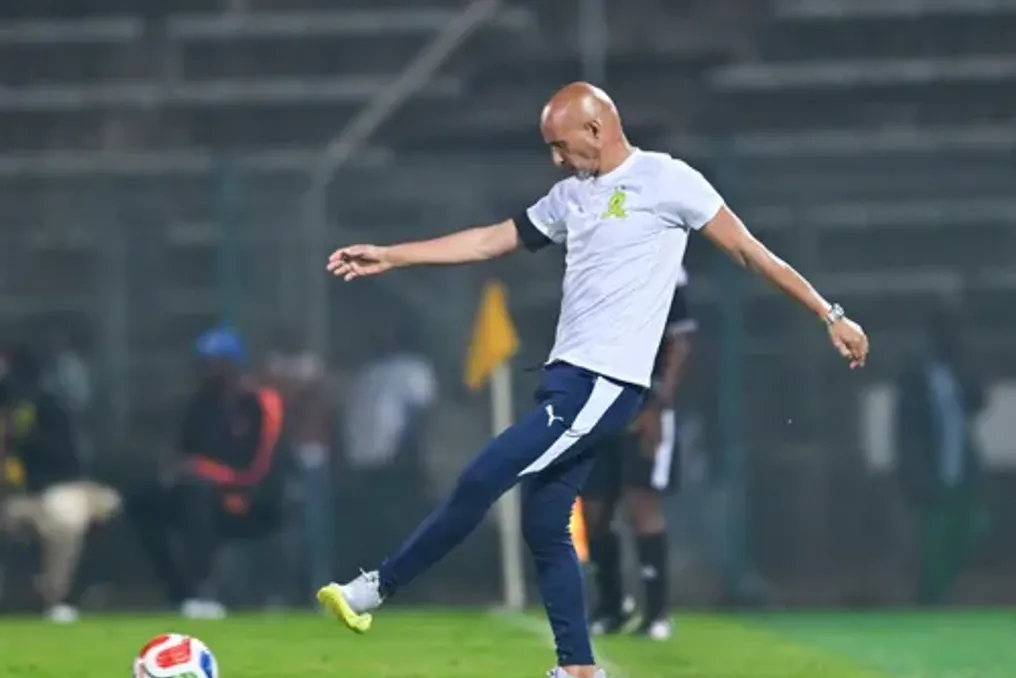
Despite Mamelodi Sundowns managing to win 3-2 after extra time against Polokwane City in the MTN8 quarterfinal at Lucas Moriphe Stadium, coach Miguel Cardoso expressed dissatisfaction with how his team handles corner kicks.
Both of Polokwane City's goals were scored from set pieces, with free kicks being powerfully directed into the Sundowns penalty area. The African champions failed to effectively counter these attacks, allowing the Rise and Shine team to equalize at 2-2 and send the match into overtime.
Ultimately, Sundowns advanced thanks to a goal scored late in the match by substitute Cassius Mailula upon his return to the club. Coach Miguel Cardoso acknowledged that significant work lies ahead at this early stage of the season.
Cardoso noted: 'Look, today we said last season we conceded three goals from set pieces. Today we conceded two. That is the essence of the game.' He also stated that his team found it difficult to overcome Polokwane City's defensive tactics.
'The man-marking that Polokwane City used on the field was obviously very physical, very demanding,' commented Cardoso. 'I think we reacted very well to the goal we conceded. We played a great first half trying to avoid this man-marking, finding spaces to penetrate.'
He added that he believed the team had chances to score more. However, he stressed that conceding another goal from a set piece creates a lot of energy for the opponent, leading to a chase. Cardoso admitted that they have not yet reached their peak physical condition, noting that the pre-season training was quite tough.
Nevertheless, he highly praised the energy and character demonstrated by his team to achieve such a result. 'A great response from the players, a great response. A lot of intent, a lot of dedication,' he concluded. 'And I am happy with the result, obviously, since it is the start of the season. I think the other match today was also scored in the last minute, so that's what it is. I think it was a great match to start the season.'
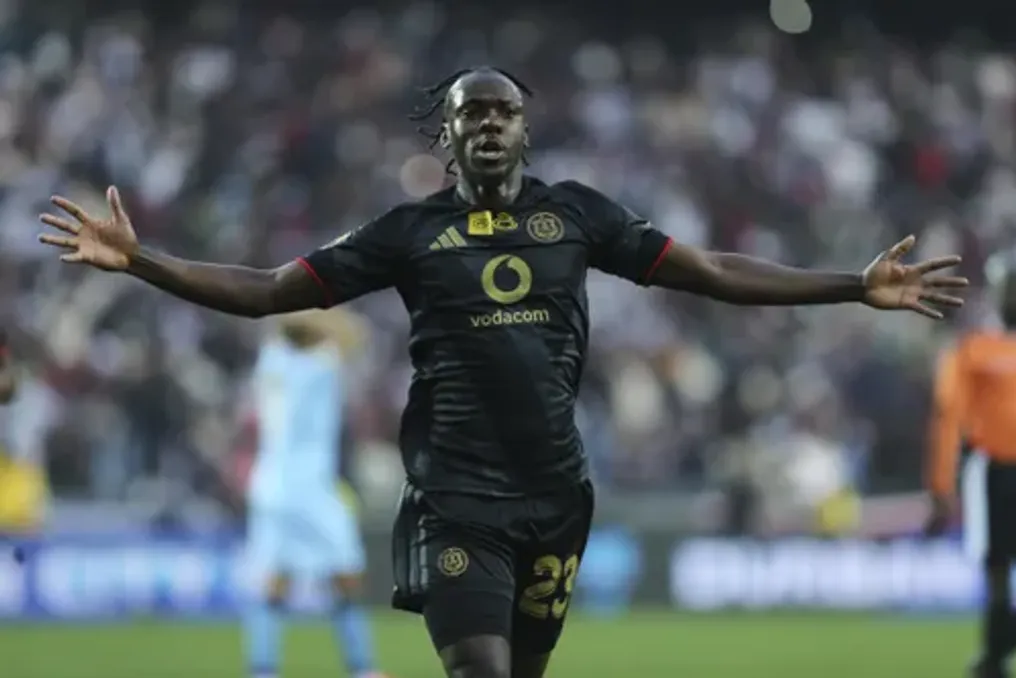
Orlando Pirates coach Abdeslam Waddu commented on his squad building strategy, explaining how he balances maintaining players' physical condition with the club's demands for tournament victories.
The Pirates team defeated Durban City 2-1 thanks to a goal from Gamphani Lungu, who came on as a substitute, allowing them to advance to the semi-finals. Pirates are aiming to win their fifth consecutive title.
Despite significant changes in the squad during the off-season, Waddu faces the challenge of managing the team. He emphasized that some players still need time to gain match fitness and adapt to the demands of professional football, but the coach insists this should not come at the expense of results.
Waddu recalled the pressure he felt at the beginning of his first season when the team suffered a series of defeats. He stated: 'We are not in a circus; we have a professional ecosystem, and there are high expectations. If you want to recall my first two games last season, do you think I was happy having eight bodyguards around me?'
This past experience shaped his approach this season. Waddu made it clear that he intends to select players who, in his opinion, give Pirates the best chance of winning. He noted: 'Of course, I want to win; I will play with the strongest team because the fans want to win this tournament, the club wants to win it, and I want to win it too, and it won't be easy.'
Furthermore, the Pirates coach rejected the idea that players would be given opportunities simply because they needed game time. As competition for starting spots increases, he believes that players' performance in training and preparation will be the deciding factor. Waddu added: 'I will always play with the strongest team, and the people who deserve a starting spot will show it to me in training and preparation. I don't hand out flowers (good signs) to people because when we lose three matches, whose head is on the line?'
Waddu's stance is relevant as Pirates prepares for another demanding campaign on multiple fronts. The team must defend its title in the Betway Premiership while also participating in the CAF Champions League, making squad management critically important throughout the season. However, the immediate tournament remains the priority for now.
Pirates has already overcome the difficult stage against Durban City and will now focus on the semi-final, where Waddu must once again find a balance between maintaining momentum, managing the squad, and leading a team capable of defending its title.