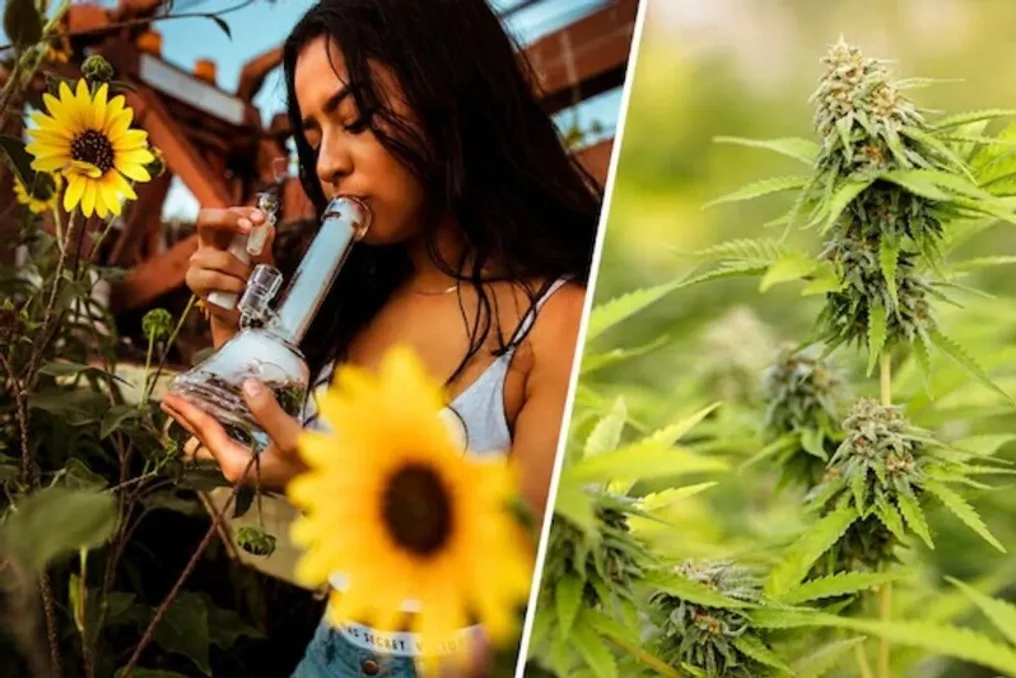
Gandaki Province in Nepal has made a significant decision regarding cannabis cultivation. Although national laws in Nepal prohibit the storage or cultivation of cannabis, the provincial government has granted permission for its medical use and cultivation.
It is important to note that the border of Gandaki Province adjoins West Champaran, Walmiki Nagar district in Bihar, India. Since there is already a complete ban on alcohol sales in Bihar, public attention is focused on Nepal's new decision.
According to a report by AP News, the new law came into effect after approval by the province's head. Thus, Gandaki has become the first such province in Nepal. This law received full support from both ruling and opposition parties in the provincial legislature.
Nevertheless, this does not mean that any person can freely sell or consume cannabis. Under the new rules, cannabis cultivation will be carried out exclusively for medical purposes. Farmers are required to obtain a license from the government, and the provincial administration will exercise strict control over the entire cultivation process.
Nepal's national laws still stipulate imprisonment for up to one month for storing cannabis and up to ten years for selling it.
Cannabis is not new to Nepal; it grows naturally as a plant. In Nepalese culture and festivals, especially during Mahashivaratri, followers of the god Shiva traditionally consume cannabis.
Until the 1970s, cannabis was freely sold in Nepal. However, Nepal's government subsequently introduced a ban under pressure from the international community. In recent years, activists and politicians have demanded legislative changes, citing the economic and medical benefits of this substance.
Since alcohol is completely banned in Bihar, many people turn to other types of drugs referred to as 'sukha nasha'. The legalization of cannabis cultivation in Gandaki Province, Nepal, may increase the risk of smuggling and illegal drug trade on the India-Nepal border. Law enforcement agencies must pay special attention to this.
Regarding Indian laws, according to the NDPS Act 1985, cannabis flowers and resin (charas) are prohibited. Nevertheless, some states have permitted the legalization of hops (which are made from leaves). It will be interesting to see how this provincial decision by Nepal will affect the border areas and the lives of ordinary people.