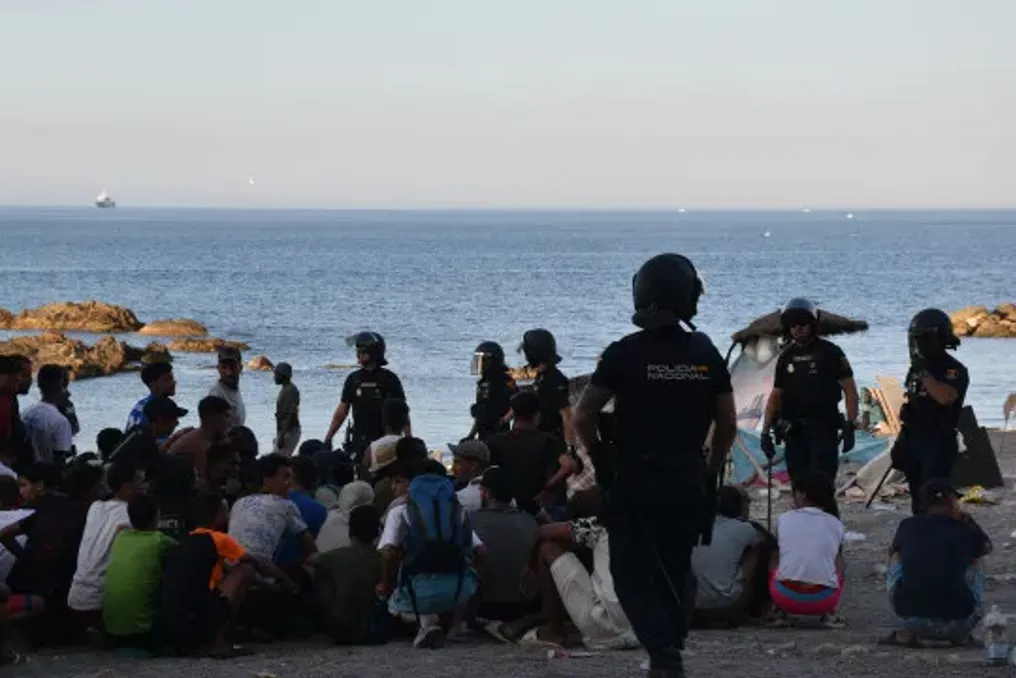

The local government stated that between 8,000 and 11,000 migrants continue to be present in Ceuta. The Chairman of the Executive Power of Ceuta spoke after an extraordinary meeting of the City Government Council, which was convened to analyze the situation eight days after the mass arrival of people from Morocco.
The Chairman of the Executive Power of Ceuta demanded that the central government accelerate the return of migrants to Morocco, calling it the 'only way out' to resolve the 'absolutely unstable' situation. He rejected claims about the normalization of life in the city and questioned the figures presented by the central government, which, according to him, indicate about 2,500 people remaining in Ceuta.
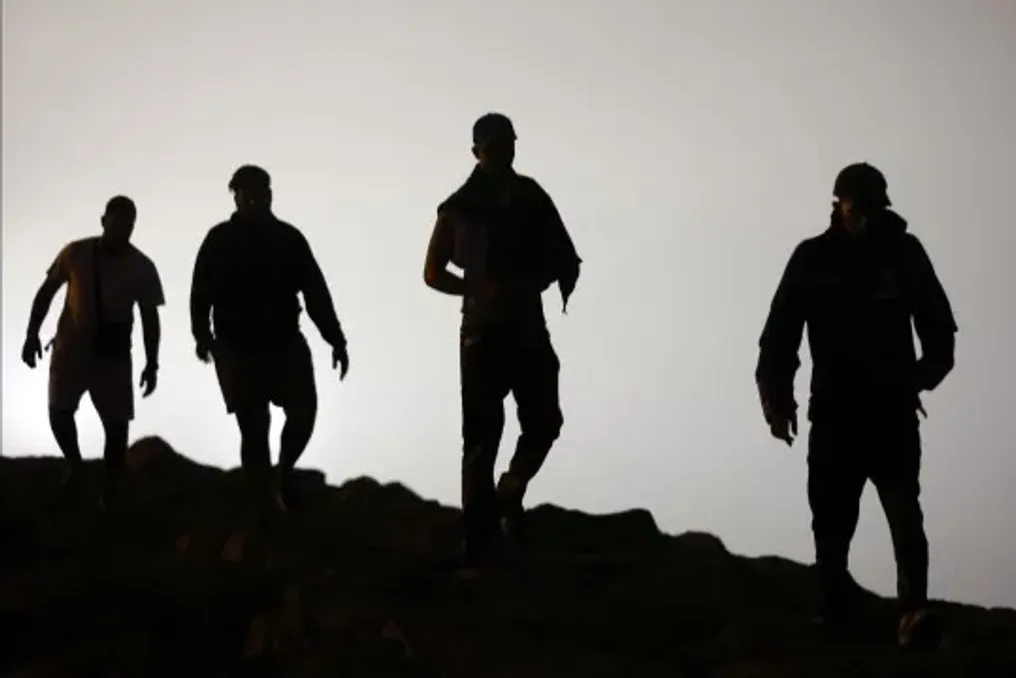
'Estimates suggest the number is between 8,000 and 11,000,' the chairman stated, demanding 'transparency in communication' and an assessment of the situation that allows for a 'proportionate' response. He described the current situation as 'absolutely unstable,' noting that thousands of people 'wander through streets, neighborhoods, mountain areas, beaches, without shelter and without basic necessities.'
In his opinion, this situation generates a feeling of insecurity, disrupts daily life, and threatens coexistence, so he demanded immediate intervention from the central government. The chairman insisted that the only solution is the return of all people who arrived in Ceuta during the mass influx and remain in the city.
He emphasized: 'The only way out is Morocco, across the El Tarajal border,' warning that those who remain in Ceuta must know that the city 'will not issue documents' and 'trips to the Peninsula' are impossible. The Chairman of Ceuta believes that repatriation is a 'lifeline' for the city, as it will help avoid forming expectations that contribute to similar situations in the future.
'If this is not done, open expectation and unbearable uncertainty for the future, stability, and development of our city will remain,' he warned. To make this decision feasible, the chairman requested the central government to increase material and human resources allocated to the foreign affairs sector so that returns can happen 'as soon as possible.'
This request is supplemented by two other measures proposed by the city: a significant increase in the presence of the National Police and Civil Guard on the streets, as well as maintaining the presence of the Army in Ceuta to strengthen the sense of security among the population. The chairman insisted that the current situation is a consequence of the mass influx, which, in his view, constitutes a violation of Spain's territorial integrity and requires an adequate response from the state.
Nevertheless, he assured that the Ceuta government would maintain 'institutional loyalty, responsibility, and a spirit of state,' despite the demand for faster action from the central executive body. He concluded: 'Right now we are asking for what we should ask, because we fully realize that we are playing for the future of our city.'