Officials from Iran and India emphasized the necessity of developing scientific ties between the two countries, with a particular focus on the sectors of education, research, technology, and innovation.
Officials from Iran and India emphasized the necessity of developing scientific ties between the two countries, with a particular focus on the sectors of education, research, technology, and innovation.
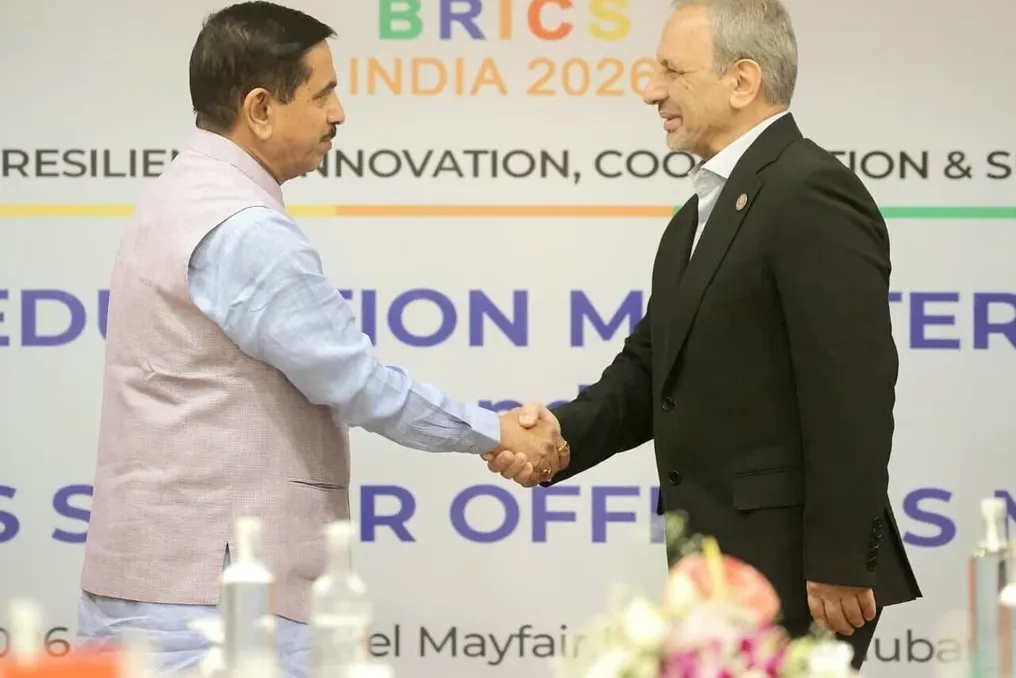
On Friday, during the 13th BRICS Education Ministers' Meeting, held from August 5 to 7 in Odisha, India, the current Iranian Minister of Science, Research and Technology, Masoud Shams-Bakhsh, and the Indian Minister of Education, Shri Pranab Joshi, met.
According to an IRNA report, the main focus of the meeting was on expanding academic interaction between Iranian and Indian universities, stimulating cooperation between scientific institutions, improving educational opportunities for students and researchers, and utilizing existing capacities and digital education to support the new generation and promote innovation.
Furthermore, Shams-Bakhsh, along with Mohammad-Nabi Shahiki Tash, Deputy Minister of Technology and Innovation of the Islamic Republic of Iran Government, and their delegation visited the International Centre for Genetic Engineering (ICGEB) in India. According to ICGEB.org, the delegation was received by the Director of ICGEB New Delhi, who, together with the heads of the Centre's groups, held productive discussions on developing scientific cooperation, promoting research partnerships, and exploring future interaction prospects in areas of mutual interest. The exchange of views underscored a common commitment to advancing excellence in biotechnology, innovation, and capacity building through international scientific collaboration.
Discussions focused on strengthening scientific cooperation, reinforcing research partnerships, providing training for Iranian researchers, and identifying future opportunities in biotechnology and innovation. During the visit, the delegation toured the ICGEB Biofactory and several modern research facilities at the Centre. This visit provided insight into ICGEB New Delhi's advanced research programs, its high-tech platforms, and its innovation ecosystem, demonstrating the Centre's contribution to biotechnology research in human health, agriculture, industrial biotechnology, and sustainable development.
The visit confirmed the importance of international partnerships in solving global scientific problems and strengthening cooperation in science, research, and technology.
The 13th BRICS Education Ministers' Meeting gathered education ministers, senior officials, and delegates from all 10 BRICS member countries—Brazil, Russia, India, China, South Africa, Egypt, Ethiopia, Indonesia, Iran, and the United Arab Emirates—to deepen cooperation within the BRICS education track. The meeting concluded with the adoption of the BRICS Education Ministers' Declaration, which affirmed education as a key pillar of BRICS cooperation and outlined a general action plan across five priority areas under India's BRICS presidency in 2026. The Declaration identified five key areas for strengthening cooperation among BRICS countries: Strengthening Early Childhood Care and Education (ECCE) and Foundational Literacy and Numeracy (FLN); Enhancing Cooperation in Skills Development and Technical and Vocational Education and Training (TVET); Improving Research, Innovation, and Startup Ecosystems; Advancing Mutual Recognition of Qualifications (MRQ); and Building Capacity for Academic Leadership and Institutional Development.
Mohammad-Reza Khalili, Vice President for Research and Technology at the University of Applied Sciences and Technology, presented his proposals at the Symposium on Cooperation in Technical and Vocational Education and Training and the joint session of the BRICS Steering Committee (TCA JMC), which took place on August 3 and 4 at Kaushal Bhavan, New Delhi. The event, organized by the National Skill Development Corporation (NSDC) under the Ministry of Skill Development and Entrepreneurship of the Government of India, was held under the theme 'Sustainable and Digitalized TVET: The BRICS Perspective'. The two-day meeting brought together representatives from BRICS countries, international organizations, academia, industry, and educational institutions. Speaking on the transformation of technical and vocational education in Iran, Khalili detailed green skills, digital skills, and practical experience, which was well received by participants.
During the meeting, Iran's proposals regarding green skills, digital skills, university practical experience, and frameworks for joint cooperation among BRICS member states were fully discussed and evaluated.
The Iranian Centre for Progress and Development (CPDI) prepared a report in June illustrating Iran's participation in scientific and technological and innovative cooperation within BRICS, as well as strategic opportunities and necessary measures to enhance the country's role in this sector. BRICS, as one of the most important players in the international system in recent years, has invested significant resources in science, technology, and innovation, in addition to economic and political cooperation. This bloc has now transformed into one of the largest networks of scientific cooperation in developing countries, utilizing 14 specialized working groups and dozens of joint scientific and technological programs.
CPDI, acting as the coordination center for Iran's technological and scientific interaction with BRICS, is responsible for guiding the country's representatives, analyzing special documents, providing technical consultation, and establishing links between domestic institutions and specialized BRICS structures. According to the report, 2025 could be considered a starting point for Iran's participation in the BRICS scientific, technological, and innovative structure, which has successfully demonstrated the country's capabilities in science and technology, laying the foundation for active participation in joint projects in the future and strengthening the country's position in scientific and technological cooperation.
The country actively participated in BRICS technical and specialized meetings in various scientific fields in 2025, such as Artificial Intelligence (AI), biotechnology, neuroscience, oceanography, geospatial information technology, astronomy, photonics, nanotechnology, materials science, social and humanities sciences, and research infrastructure.
BRICS as a platform for expanding research cooperation. One of the main areas of BRICS' activities in 2025 was the development of joint research projects between member states in fields such as AI, healthcare, clean energy, food security, quantum technologies, data science, and advanced materials. Iran's membership in this network would provide researchers and scientists with an excellent opportunity to participate in international projects.
In 2025, BRICS countries discussed the development of data infrastructure, sharing supercomputing capabilities, creating joint scientific networks, and using new technologies to solve global problems. Iran, possessing capabilities in AI, data processing, and knowledge-based companies, sought to gain a larger share in future BRICS technological projects. The document 'BRICS Action Plan for Innovation 2025–2030' outlines a roadmap for cooperation among member states in the digital economy, technology transfer, support for knowledge-based companies, and the development of an innovation ecosystem. Iran's involvement in this plan could pave the way for the exchange of technical knowledge, improved industrial cooperation, and the entry of Iranian knowledge-based companies into new markets.
The report also notes that human capital and innovation are among BRICS' main priorities; key activities in this sector include the 10th Young Scientists Forum, the 8th BRICS Young Innovator Award, and the first BRICS Startup Forum. Iran's membership in BRICS could bring numerous benefits, such as broader access to international scientific and research networks, cooperation in joint research projects, improved technological and industrial cooperation, leveraging the technology transfer network potential, developing the knowledge-based company market, and attracting investment in technology and innovation sectors. The report highlights AI, biotechnology, nanotechnology, quantum technologies, the digital economy, and space technologies as the most important axes for future cooperation between Iran and BRICS member countries. It also calls for promoting scientific ties between universities, research centers, knowledge-based companies, the private sector, and executive bodies to create a national coordination structure aimed at strengthening cooperation with BRICS countries.
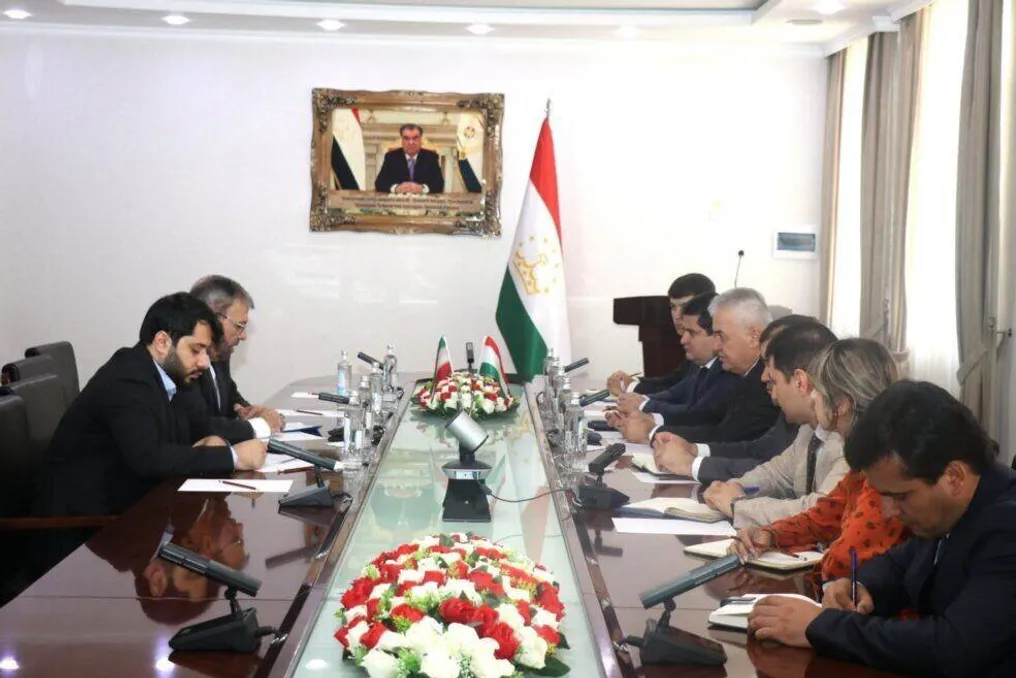
Alireza Hakikian, the Iranian envoy to Tajikistan, and Rahim Saidzod, the Minister of Education and Science of Tajikistan, examined opportunities to strengthen scientific and educational ties between the two countries, with a particular focus on increasing the number of scholarships for university students.
According to an IRNA report, Iran and Tajikistan currently provide 50 scholarships each, primarily to medical students from the other country. Other topics discussed included implementing joint research projects, developing textbooks and academic books, and expanding interaction between the universities of the two states, as well as increasing the teaching of Persian language and literature.
Both sides emphasized that educational scholarships are a key element in developing academic and scientific exchange. Previously, during a meeting in 2024 between the Chairman of the National Assembly of Tajikistan, Rustam Emomali, and the Speaker of Parliament, Mohammad Baker Kalibaf, the issue of increasing scholarship quotas was raised.
In November 2025, Tajikistan's ambassador to Iran, Nizamuddin Zahedi, highlighted the need to establish a joint scientific committee between the two states. Zahedi noted that cooperation in the field of education could be expanded by resuming scholarship programs to attract more Tajik students and creating a joint scientific body for regular meetings and finding solutions beneficial to both countries.
This Tajik official made these statements during a meeting with Said Habibi, the head of the Student Affairs Department. He also proposed a student exchange program to improve the quality of education and facilitate the study of Persian for Tajiks.
Highlighting Iran's high educational potential, Zahedi expressed Tajikistan's interest in developing scientific ties with Iran and attracting Iranian students to various fields. For his part, Habibi pointed to the cultural, linguistic, and historical commonalities between Iran and Tajikistan, stating that scientific diplomacy is the most effective way to promote scientific cooperation with Tajikistan.
He also highlighted the country's achievements in science and technology, particularly nanotechnology and biotechnology, noting that Tajik universities can directly cooperate with leading Iranian universities in various fields. Habibi added that Iran plans to host 320,000 international students and provide scholarships to Tajik students.
In June, Iranian Foreign Minister Abbas Araghi, upon meeting with Tajik President Emomali Rahmon at the Palace of Nations in Dushanbe, stressed Tehran's commitment to expanding relations with Dushanbe, stating that Iran views cooperation with Tajikistan as a strategic priority. He pointed to the shared linguistic, cultural, and historical ties between the two nations as a solid foundation for deepening partnership in key areas such as trade, diplomacy, education, and cultural exchange.
In turn, President Rahmon characterized Iran-Tajikistan relations as based on centuries-old friendship and mutual respect, calling for further efforts to activate cooperation in light of current regional challenges. The sides discussed the current state of bilateral relations, exchanged views on expanding interaction, and considered regional events, including the changing situation in the Caucasus, Central Asia, Afghanistan, and West Asia, sharing views on issues of mutual security.
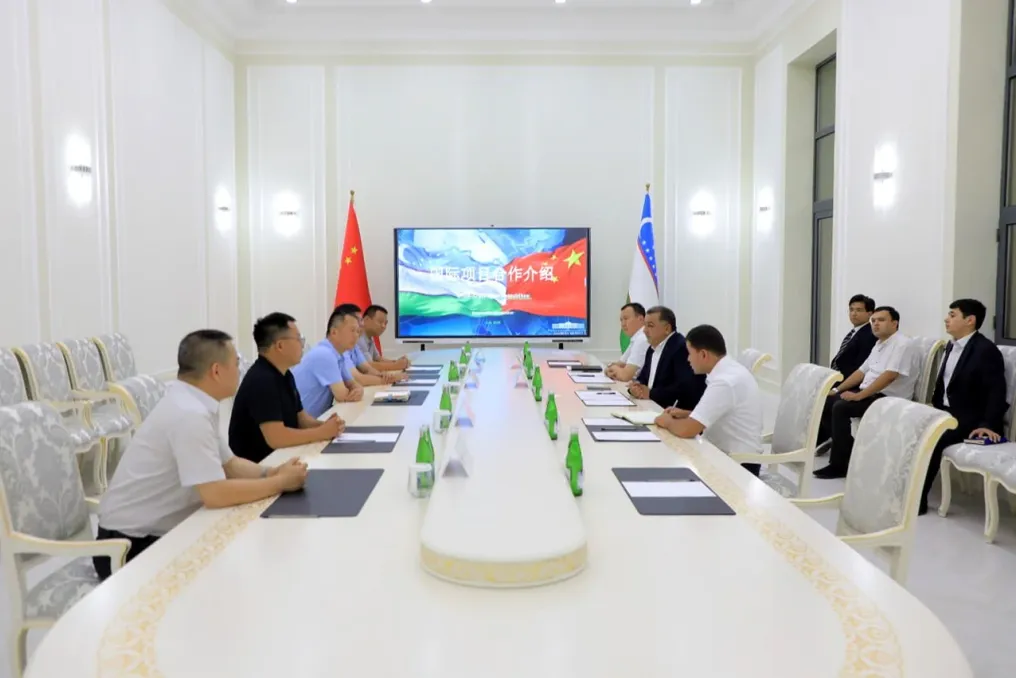
Representatives from the Fergana Region and the Henan Academy of Sciences in China held discussions on the directions for developing scientific and innovative interaction. The discussed areas include joint research, specialist training, and the implementation of modern agricultural technologies.
The First Deputy Hokim of the Fergana Region, Mirzohid Ubaydullaev, met with a delegation from the Henan Academy of Sciences, headed by Chief Engineer Gao Yang.
The parties agreed to create a common scientific platform, train highly qualified personnel, and implement innovative projects in the field of agriculture. Special attention was paid to the application of digital technologies in the agrarian sector.
During the negotiations, the use of smart irrigation systems, artificial intelligence capabilities, and the creation of a laboratory for mineral composition analysis were discussed. Additionally, participants exchanged views on the development of livestock and poultry farming based on scientific principles.