Belarus and Uzbekistan plan to prepare a roadmap for interaction in the energy sector, as well as establish a joint working group to coordinate bilateral relations.
Belarus and Uzbekistan plan to prepare a roadmap for interaction in the energy sector, as well as establish a joint working group to coordinate bilateral relations.
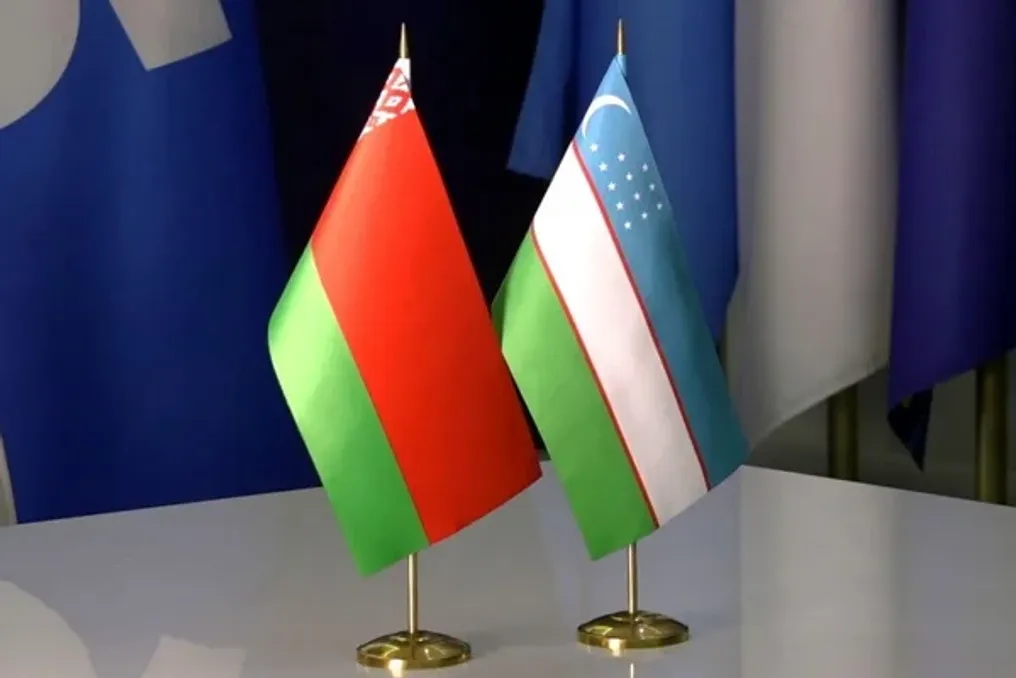
The discussion of these issues took place during a meeting between the Minister of Energy of Belarus, Denis Moroz, and the Ambassador of Uzbekistan to Belarus, Nuriddin Mamajonov. The Ministry of Energy of Belarus reported on the meeting.
The parties reviewed opportunities for bilateral cooperation and the practical implementation of agreements reached at the highest level during the visit of the President of Uzbekistan, Shavkat Mirziyoyev, to Belarus in July.
Priority areas identified include cooperation in nuclear energy, utilizing Belarusian experience in the construction of the Uzbek nuclear power plant project, development of energy infrastructure, participation of Belarusian design and construction companies in projects in the Uzbek market, interaction in the electrical engineering industry, automation and digitalization of energy facilities, as well as personnel training.
Denis Moroz noted that a high level of trust and substantive dialogue remains between Belarus and Uzbekistan in the energy sector, and the existing potential needs to be realized in concrete joint projects.
Furthermore, the parties discussed the creation of a joint Belarusian-Uzbek working group and the development of a roadmap that will unite promising areas of cooperation and joint initiatives.
Uzbekistan and Afghanistan have reached an agreement to expand strategic interaction in the field of energy. This includes developing a fifteen-year energy development program for Afghanistan and establishing joint technical working groups, as reported by the energy company Da Afghanistan Breshna Shirkat (DABS).
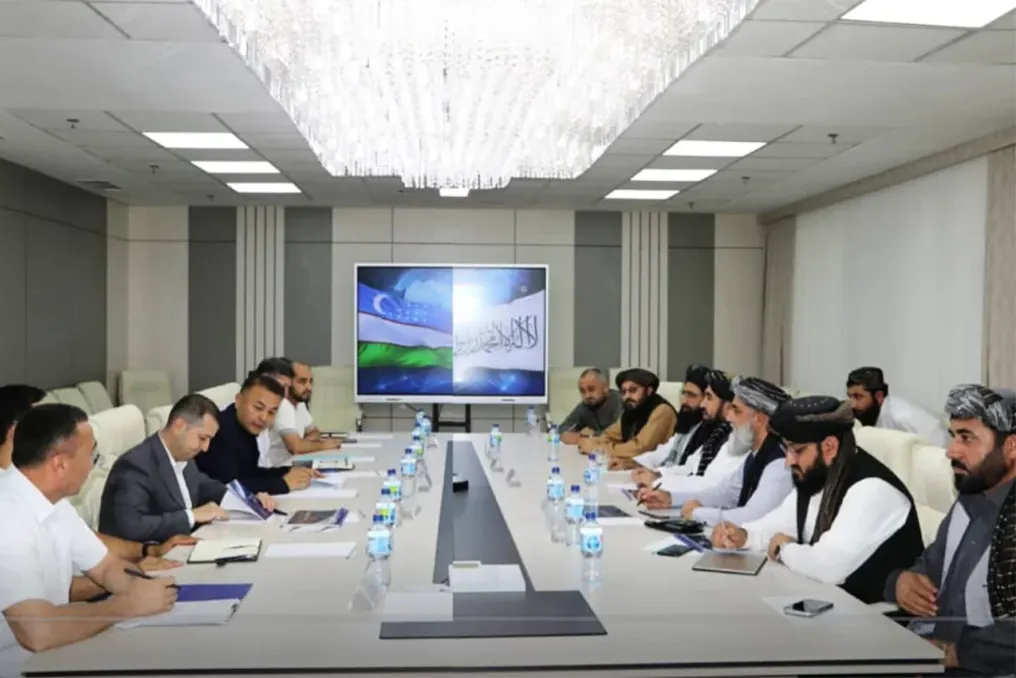
The CEO of DABS, Mulla Abdul Haq Hamkar, met with the First Deputy Minister of Energy of Uzbekistan, Umid Mamadalinov, accompanied by technical and engineering specialists.
During the negotiations, the parties discussed issues of electricity generation, transmission, and distribution, as well as strengthening technical potential, engineering cooperation, implementation of smart metering, long-term energy planning, and modernization of Afghanistan's power supply system.
The Uzbek side confirmed its readiness to support the development of Afghanistan's energy sector, emphasizing that stable energy supply is a critically important condition for economic growth, the development of the mining industry, and industrialization in the country.
Representatives of Uzbekistan stressed that the cooperation will cover not only electricity export but also joint projects in the fields of energy generation, transmission, and distribution, as well as the development of technical and personnel bases.
According to DABS information, the First Deputy Minister of Energy of Uzbekistan announced plans to prepare a comprehensive fifteen-year program for Afghanistan's energy sector. After conducting feasibility studies and assessments, the Uzbek side will provide the Afghan energy company with technical specifications and preliminary costs for priority projects.
The parties also agreed to establish joint technical working groups, intensify the exchange of experience and technologies, strengthen professional training, and continue practical cooperation on modernizing Afghanistan's energy industry.