Sello Rasethaba delivered his speech at the World Stroke Summit held in Johannesburg. He shared his personal experience, which began on April 29, 2020, when he suffered a stroke during the Covid lockdown.
Sello Rasethaba delivered his speech at the World Stroke Summit held in Johannesburg. He shared his personal experience, which began on April 29, 2020, when he suffered a stroke during the Covid lockdown.
He described the drastic change in his life: in a single second, the left side of his body stopped functioning, causing him to fall at home. Using his right hand, he managed to call for help, and within fifteen minutes, his wife, Ouma, took him to the nearest hospital, where he spent two weeks.
Rasethaba emphasized that while medical teams saved his life and prevented damage, he questions: 'What kind of life did they save?' He believes that the global healthcare system excels at acute survival but neglects the lives of patients after discharge from the hospital.
When a stroke affects the dominant or even non-dominant side, it strips a person of autonomy. Daily tasks, such as cutting meat with one hand, buttoning a shirt, or tying shoelaces, become exhausting reminders of lost independence. Beyond the visible physical trauma, there is less obvious psychological damage. A person who has lost control over half their body battles despair daily, and grief becomes a constant companion.
He addressed ministers and politicians, asserting that if national stroke strategies end upon hospital discharge, only half the work has been done. To clinicians, he reminded them that patients are not broken machines to be fixed and discharged; mental health and psychological support must be integrated into treatment from the outset, because treating the brain without treating the mind is a failure of medicine.
After the acute crisis subsides, physiotherapists and occupational therapists come to the forefront. Rasethaba acknowledged their role as 'architects of hope,' noting that they saw potential for neuroplasticity in him, not just constant deficit. He urged ministers and politicians to make rehabilitation not merely a desirable option, but a regulated and protected standard of care.
Currently, access to rehabilitation depends on financial status, insurance limits, and geographical location. However, neuroplasticity does not adhere to an insurance company's schedule; the brain needs months, sometimes years, to build new pathways around damaged tissue. He warned that cutting funding for long-term physiotherapy is not saving money, but losing potential, shifting the burden onto families and social welfare.
Even while advocating for improved rehabilitation, Rasethaba stressed that the best stroke is the one that never happens. Most strokes can be prevented through controlling hypertension, improving diet, quitting smoking, and increasing activity. However, public health messages about prevention often go unnoticed. Aggressive, creative, and culturally competent education is needed, disseminated through buses, sports broadcasts, and schools.
He presented a key philosophy: 'Nothing about us without us.' He expressed gratitude for including patient voices in the summit program, noting that historically, survivors were passive recipients of aid while doctors wrote guidelines, politicians approved budgets, and insurers dictated timelines. He called for survivors to have a seat at the table so their input guarantees the effectiveness of all costs and therapies in real life.
Addressing other survivors, he stated that they are proof that stroke changed their path but did not end their journey. He urged doctors, therapists, ministers, and leaders to view them not through the lens of deficits, but through the lens of resilience, intelligence, and the desire to contribute. He concluded that the task is to make these lives worth living.
Rasethaba called on authorities to fund long-term recovery and on doctors to treat the mind with the same urgency as the arteries. He concluded that the summit should be remembered not for scientific papers, but for a revolution that shifts global healthcare from basic survival to the full restoration of human existence.
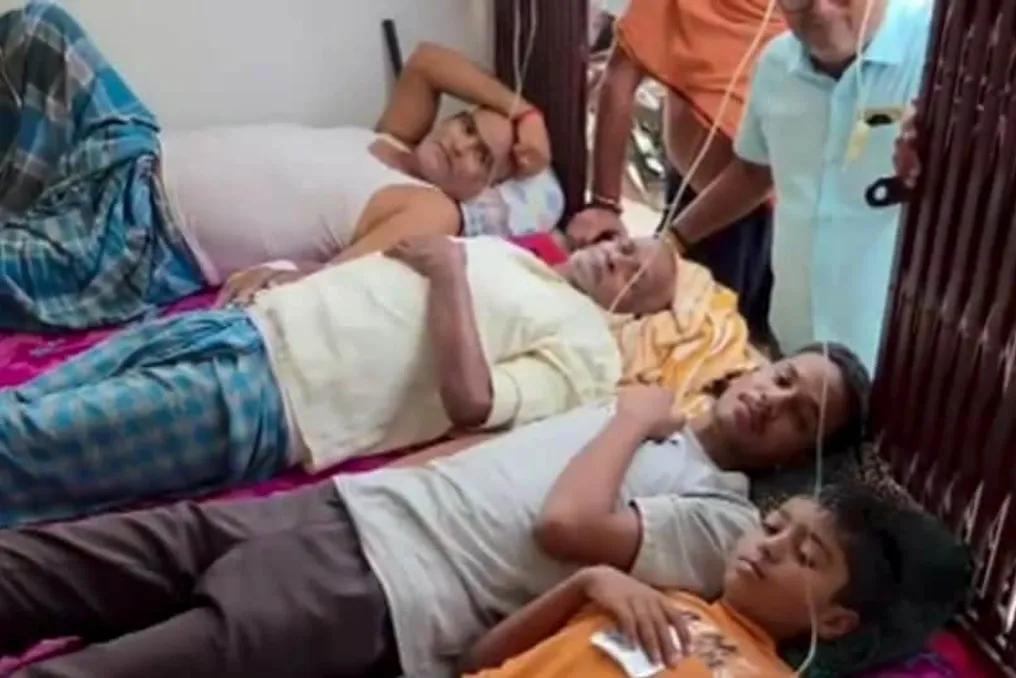
A case of food poisoning has occurred in the Saharsa district of Bihar state. More than one hundred people felt unwell after eating prasad prepared during the Satyanarayan worship in Sardikha village, in the Madhya Tola area of Simri Bakhtiyarpur.
The sick include women, men, and children. The mass illness caused panic throughout the village. According to available information, a worship of the god Satyanarayan was held in the village on Thursday evening, after which residents consumed the prasad. Villagers claim that the deterioration of health began gradually the next day.
Initially, some people experienced discomfort, but soon many started complaining of vomiting and diarrhea. While villagers tried to understand what was happening, dozens of people suddenly fell ill in the area. Due to constant vomiting and diarrhea, the condition of many people began to worsen.
After it became known about the large number of cases, anxiety increased among the residents, and they notified the local health department. A medical team was dispatched to the village.
Local residents reported the situation to a medical worker at the Simri Bakhtiyarpur district hospital. Upon receiving the report, the medical team arrived in the village and began treating the victims in Madhya Tola, Sardikha.
The medical team is visiting homes, examining, and treating patients. Special attention is being paid to the condition of those whose health has deteriorated the most. Some villagers are also seeking treatment outside the village.
The health department team is monitoring the entire situation following the mass illness. Currently, the main complaint among the population is vomiting and diarrhea. Residents link the health deterioration to consuming the prasad during the worship.
This incident did not affect any single age group; a large number of villagers, including women, men, and children, fell ill. According to the villagers, many who consumed the prasad began experiencing health problems the very next day.
An atmosphere of fear descended upon the village after news of the disease spread. Residents exchanged information about each other's health. The arrival of the medical team brought relief to the affected families, and medical workers continue to provide assistance to the patients.
Currently, the health department team is in the village, observing the development of the situation. An investigation into the cause of the sudden illness of a large number of people is underway. According to the villagers, the deterioration of health began specifically after consuming the prasad during the worship.
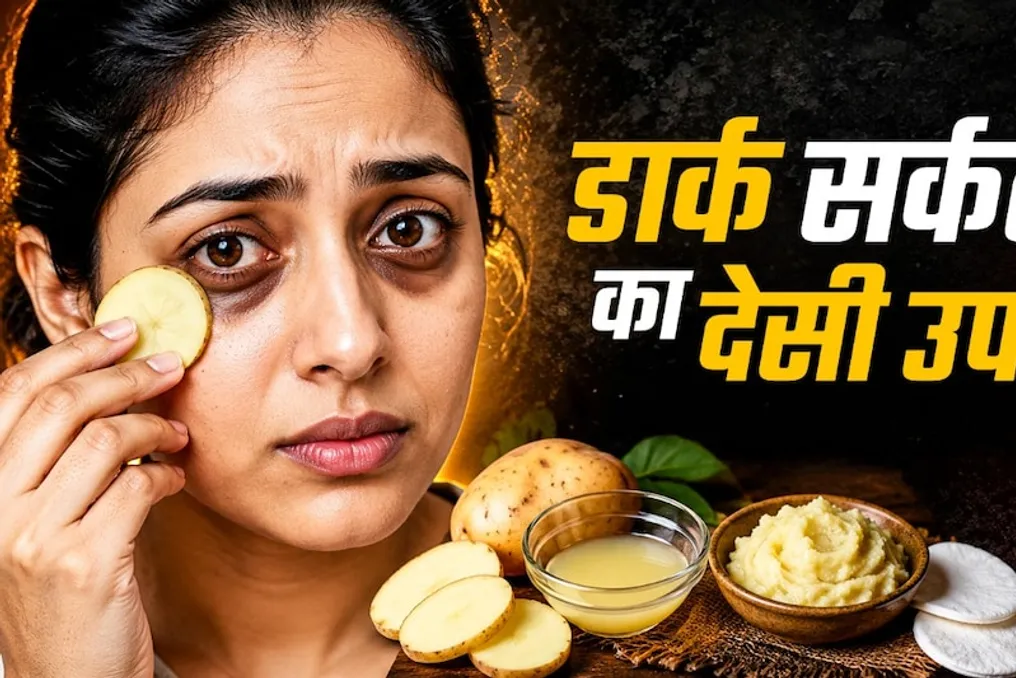
Currently, many people use various cosmetic procedures to improve their appearance, but dark circles under the eyes can spoil the overall impression. Dark circles can significantly diminish facial attractiveness, especially if a person suffers from lack of sleep, spends a lot of time in front of screens, or feels severe fatigue.
To reduce this problem, expensive creams and serums are often used, but the desired result is not always achieved. If you are tired of buying expensive products, this information offers a natural home remedy.
The article discusses how potatoes, which are available in the kitchen, can help combat dark circles. Potatoes contain nutrients and antioxidants that are beneficial for skin care.
Some mistakenly believe that lack of sleep is the only cause of dark circles. However, this is not true. The skin under the eyes is very thin, causing blood vessels to become visible, which gives this area a dark tint. Furthermore, dark circles can be exacerbated by genetic traits, aging, allergies, fatigue, the habit of rubbing one's eyes, and prolonged sun exposure. Thus, the causes can vary among different people.
Potatoes contain components such as Vitamin C, Vitamin K, and niacin. Vitamin C participates in the process of collagen production in the skin, while other compounds and antioxidants found in potatoes contribute to skin care. Potatoes also have a cooling effect, which can help reduce puffiness and eye fatigue.
Nevertheless, it should be remembered that one should not place too much hope on the effect of this method, and a doctor's consultation may be necessary for deep or long-standing dark circles.
Important: If dark circles persist for a long time, relying solely on folk remedies is insufficient. It is crucial to maintain a sufficient sleep schedule, stay hydrated, eat a balanced diet, and protect the skin from the sun. When going outside, it is recommended to use sunscreen and avoid frequent eye rubbing.
The rainy season brings coolness and greenery, but carelessness in nutrition during this period can negatively affect health. Due to increased humidity during the monsoon season, bacteria, fungi, and insects actively develop in some vegetables, increasing the probability of food poisoning and gastrointestinal problems. Therefore, it is important to know which vegetables are best to exclude from the diet and what alternatives are safer and healthier.
Under monsoon conditions, leafy vegetables such as spinach, mustard greens, horseradish, and other green leaves may harbor dirt, bacteria, and small insects due to high humidity. Consuming such vegetables without thorough washing increases the risk of infection, food poisoning, and illnesses.
Eggplants become more susceptible to insect attacks during the rainy period. Even if an eggplant looks fresh on the outside, it may be spoiled inside or contain pests, making its consumption harmful to health; careful inspection is necessary before purchase.
In white cabbage, small insects, eggs, and contaminants can easily hide between the layers during the rainy season. If it is cooked without proper cleaning, there is a risk of contamination.
The probability of insects and dirt hiding between the florets in cauliflower is higher during the rainy season. Since even washing may not ensure complete cleanliness, when buying cauliflower during the monsoon season, its quality must be checked, and it should be pre-soaked in salt water before cooking.
Mushrooms have a naturally high moisture content and can spoil quickly in rainy weather. If mushrooms are not stored properly, bacteria can multiply rapidly, so it is recommended to consume only those that were bought fresh.
Instead of these products, certain vegetables that are beneficial for health during this time of year should be included in the diet during the rainy season.
Pumpkin is a light, easily digestible, and water-rich vegetable for the monsoon season. It helps maintain the body's water balance and does not put excessive strain on the digestive system. It is important to choose fresh pumpkin that is not bitter and always taste it before cooking.
Before applying any home remedy, always perform a patch test on a small area of skin, as everyone's skin is unique, and this will help avoid any possible allergic reactions or discomfort.