Natural resources are viewed not as the property of the current generation, but as the wealth of future generations. Any damage inflicted on nature poses a threat not only to immediate profit but also to the overall ecological balance.
Natural resources are viewed not as the property of the current generation, but as the wealth of future generations. Any damage inflicted on nature poses a threat not only to immediate profit but also to the overall ecological balance.
A recent case of illegal fishing discovered in the Peshku area once again confirmed this truth.
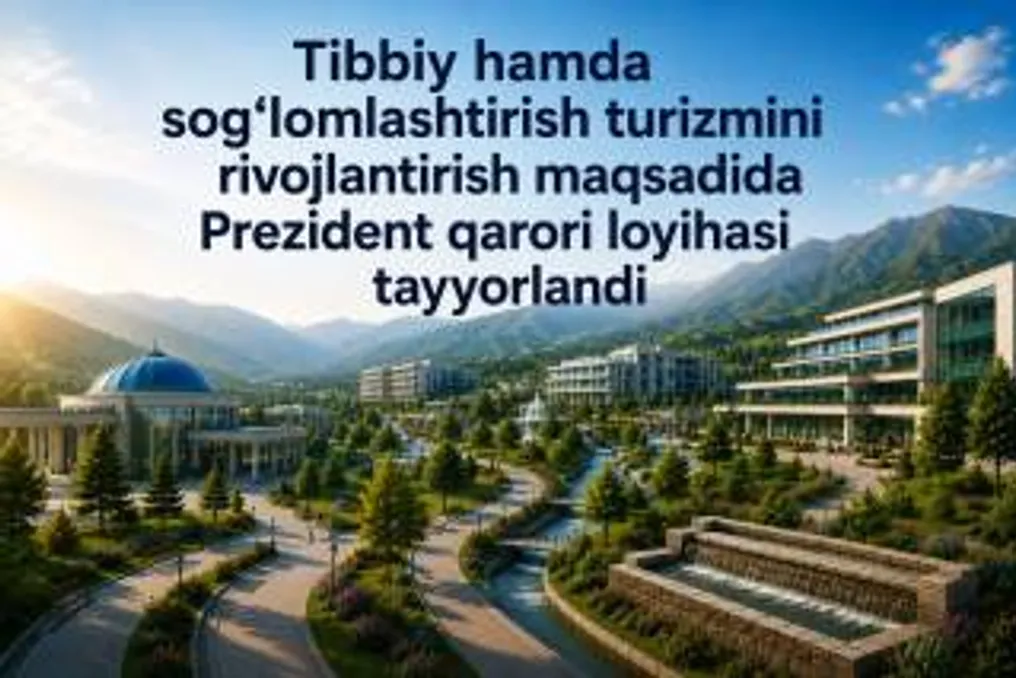
The preparation of the draft presidential decision on the creation of the sanatorium and resort city 'Nurbulok' has been completed. The goal of this project is to develop medical and health tourism using the natural and recreational potential of the Samarkand region.
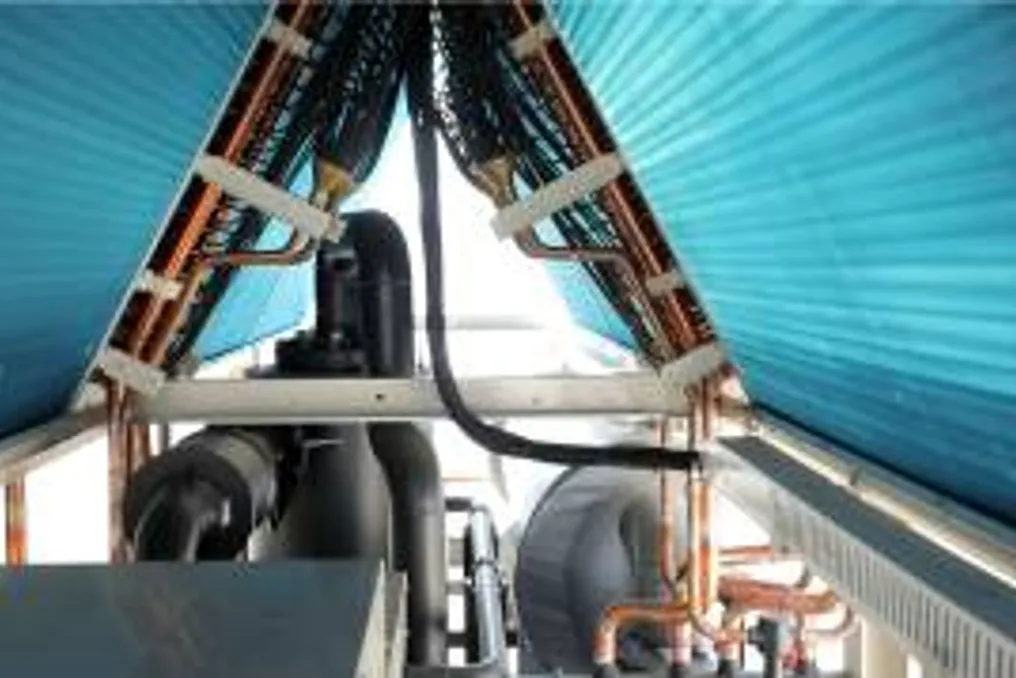
An attempt to avoid paying customs duties totaling 2.2 billion soums has been uncovered. This attempt is linked to the illegal use of customs benefits when declaring cooling system equipment worth 17.5 billion soums, which was supposed to be paid into the state budget.
The attempt to evade customs payments that were supposed to be transferred to the state budget was timely discovered by employees of the 'Toshkent-Tovar' customs post of the Tashkent City Customs Administration.
According to available information, refrigeration units with a total value of 17.5 billion soums were imported into Uzbekistan from a foreign country. However, the entrepreneur attempted to illegally take advantage of existing benefits during the customs clearance process.
Specifically, in the accompanying documents, these goods were listed as 'parts of mechanical cooling system devices.' The goal was to create grounds for applying customs benefits to the goods and consequently reduce the amount of customs duties payable.
During customs control, it was established that the submitted information was not true. As a result, it was revealed that an attempt was made not to pay customs duties amounting to 2 billion 212 million soums by abusing customs benefits. After discovering this case, the customs benefits applied to the goods were annulled. Currently, the goods are in temporary storage. Investigative measures are being conducted regarding this incident in the established manner.
This case once again emphasizes the importance of correctly specifying the name and classification of goods during customs clearance, as well as the lawful use of customs benefits within established objectives.
A new law has been adopted that establishes a unified procedure for compensating damage inflicted upon citizens as a result of illegal decisions, actions, or inaction by state bodies or officials.
This document was signed by the President on July 27. It will come into force six months after official publication, meaning from January 28, 2027. The key change is that a clear financial mechanism for compensation will now be in place if a citizen suffers material or moral damage due to an illegal decision by a state body or the inaction of an official.
If an illegal decision results in damage to a citizen's property, or if they suffer moral distress, they have the right to demand monetary compensation through the court. For this, the court must confirm the illegality of the decision, action, or inaction, as well as the amount of harm caused. Payment is made from the regional compensation fund based on an enforcement order issued by the court.
After the damage is covered, the question of identifying the responsible party is considered. If the guilt of a specific official is confirmed by a legally binding court decision, the mechanism for recovering the paid amount from that person is initiated. The responsible party may also voluntarily compensate for the damage. If the compensation was paid from the fund's resources, the Committee of Ministers of Karakalpakstan, along with the relevant regional or city administration, files a lawsuit against the state body where the official worked or works.
Thus, the citizen is not obliged to wait for the guilty official to compensate for the damage; first, they receive coverage for the damage based on a court decision, and then the issue of collecting funds from the guilty party is addressed. The Constitution enshrines everyone's right to compensation from the state in case of illegal decisions, actions, or inaction by state bodies or officials, and the new law defines the unified procedure for exercising this right.