In recent days, the topic of the MDR commission for UPI has been actively discussed, causing concern among both regular users and small entrepreneurs. There were fears that the introduction of a discount rate for sellers (MDR) could have a wide and negative impact on online payments. Some also argued that the burden of this commission would indirectly fall on end consumers.
However, the Finance Minister stated that the introduction of this commission has not yet been considered, and even if it is introduced in the future, it will not affect customers. Nevertheless, the question arose: will this affect grocery stores, ice cream vendors, small traders, candy shops, street vendors, or small businesses, and will they have to pay this commission?
The organizational body operating under the auspices of IAMAI—the Payments Council of India (PCI)—provided an answer to this question by sharing important information.
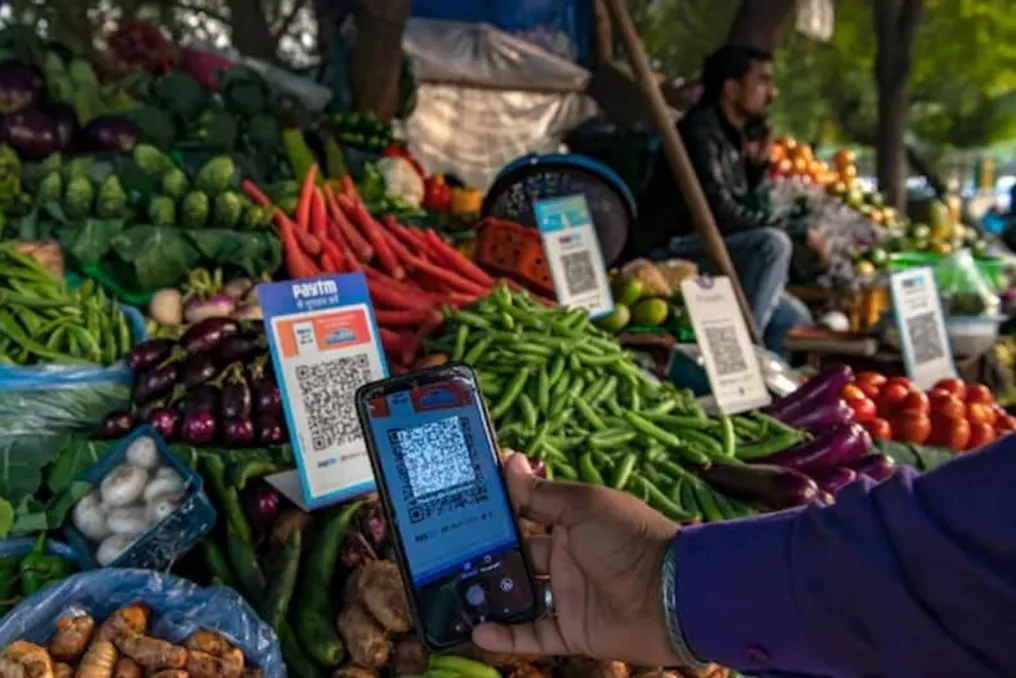
The industry body PCI wrote on X that there are no proposals to charge consumers for using UPI, and small traders, such as grocery store owners, can use UPI without paying MDR. This clarification came after the Payment and Settlement Systems Act (Amendment) 2026, which fueled speculation about the imminent introduction of fees for UPI users and sellers.
PCI emphasized that since the launch of UPI in 2016, it has been free for consumers, and every citizen of India can continue to make instant digital payments without paying transaction fees. The Council also clarified that small traders are not obliged to pay MDR for accepting UPI payments. According to PCI, ensuring the accessibility of digital payments even for the smallest enterprises is a key element of UPI's development.
MDR (Merchant Discount Rate) is the fee that a seller pays to banks or payment service providers for completing a digital transaction. Although consumers do not pay this commission, there are speculations that paying MDR might prevent small traders from accepting UPI or lead to increased costs for consumers. Proponents, conversely, believe that this will help the development of payment infrastructure, cybersecurity, and new financing methods.
PCI highlighted that the service charge for the seller is a commercial agreement between the seller and the service provider, where applicable. This does not mean that consumers will have to pay for UPI payments. PCI noted that globally, service charges for sellers are a common feature of digital payment systems, even if consumers use free and convenient digital payment services.