
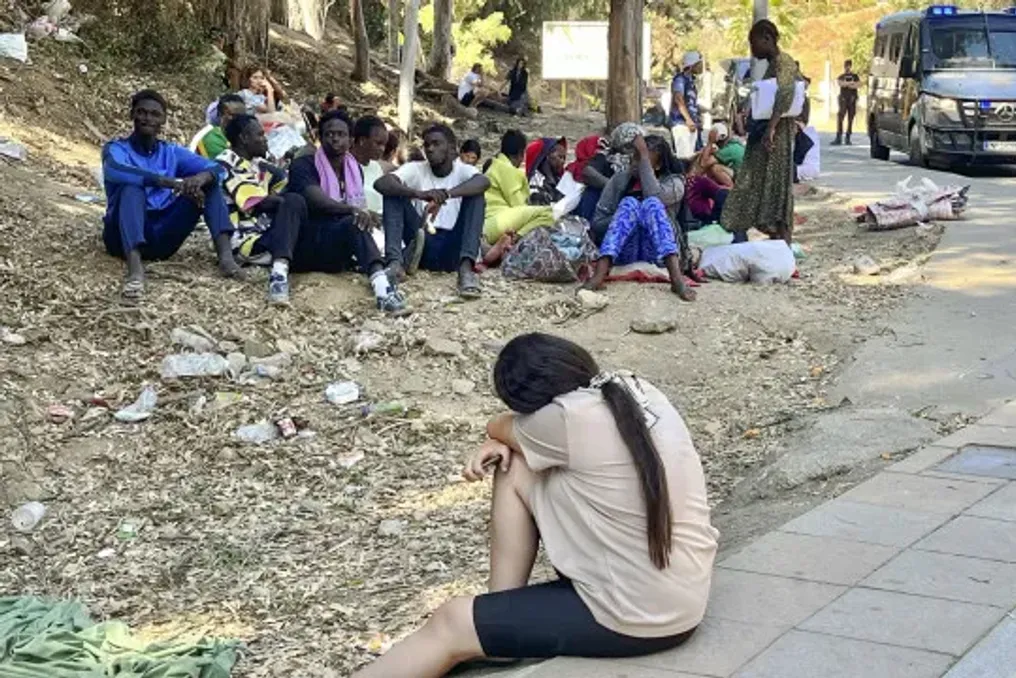
The UNICEF spokesperson, Ildefonso González, stated that the issue of minors in Ceuta should not be treated as a political debate, but rather as a guarantee of rights and protection for all children, regardless of their origin.
UNICEF Spain highlighted that Ceuta, a small Spanish territory in North Africa, received 72,000 people last week, including hundreds of unaccompanied minors. The agency stressed that the city lacks the capacity to handle the situation of these children and adolescents.
González classified the situation as a contingent migration crisis, demanding an urgent and rapid response to provide the best possible reception for the minors. The spokesperson called for the more than a thousand identified unaccompanied children in Ceuta to be transferred to reception facilities in other parts of Spain.
He reported that many children and adolescents remain on the streets, unregistered with authorities, hidden in various places in the city, and that there are injured minors. The non-governmental organization Save The Children also raised concerns about the risk of girls in Ceuta being victims of sexual assault, trafficking, and exploitation, especially those outside reception centers.
In a statement, Save The Children emphasized that the system for assisting minors in Ceuta is under 'extraordinary pressure' and without means to manage the situation in the city. Furthermore, the NGO expressed concern that some of the minors who arrived last week have not yet been located and may remain on the streets without access to a safe place.
On Monday, Save The Children had already warned of the 'serious risk' of many minors remaining outside the protection system in Ceuta. Authorities have confirmed the identification of 528 unaccompanied minors who illegally entered the city last week, although the delegate of the Spanish Government in the territory admitted that there are more children on the streets.
Miguel Ángel Pérez reported that, so far, there is no 'official number' of minors entering in this wave of 72,000 people. Currently, Ceuta's reception centers house 1,100 minors, and authorities announced the preparation of two industrial warehouses and two schools to urgently accommodate the hundreds already identified and those found on the streets.
Before the large influx on Thursday, the autonomous city's authorities had already warned that there were about 800 unaccompanied foreign minors in reception centers, a situation already considered to be at breaking point. The president of the autonomous city government, Juan Jesús Vivas, of the Popular Party (PP, right-wing), declared on Wednesday that the current assistance exceeds the official capacity of Ceuta's minor centers by 2600% and requested 'help, aid, and solidarity' from other regional executives in Spain.
Spanish legislation stipulates that regional governments are responsible for the guardianship of foreign minors who arrive in their territories without adult accompaniment. In cases of overcrowding, these children and adolescents must be distributed to other regions. However, regional governments such as those of Extremadura or Aragon, led by the PP in coalition with Vox (far-right), have already communicated that they will not host minors from Ceuta, despite the Spanish executive reminding that there are legal resources to force this accommodation.
Additionally, the Spanish Government announced on Tuesday the allocation of an extraordinary fund of 25 million euros for Ceuta, specifically intended for assistance to unaccompanied minors present in the city.