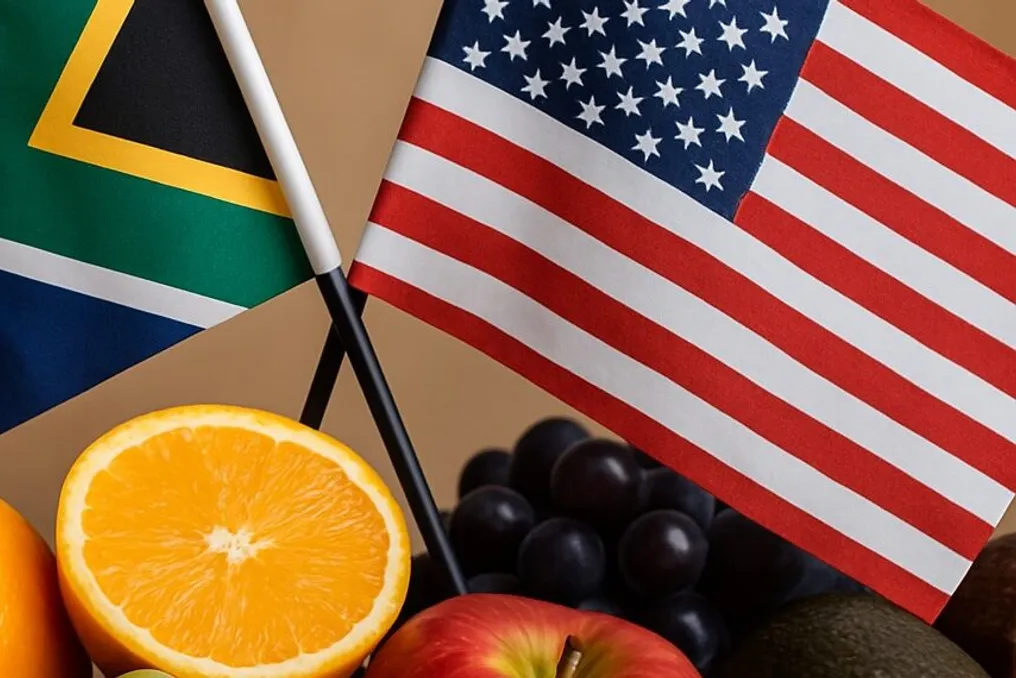
South Africa's export sector is adapting to the new 12.5% US tariff system following significant changes in Washington's legislation and trade policy, with key agricultural exemptions providing vital market support.
_South Africa's export sector is adapting to the new 12.5% US tariff system following significant changes in Washington's legislation and trade policy, with key agricultural exemptions providing vital market support.
_It is particularly important for the domestic sector that fresh oranges remain exempt from these duties, maintaining duty-free access to the American market and ensuring significant stability for both producers and importers. However, other citrus categories, including mandarins, grapefruit, and lemons, are still subject to tariffs, and a proposed Section 301 investigation is considering a 12.5% rate for a number of trading partners.
Minister of Trade, Industry and Competition Parks Tau explained that the US Trade Representative's (USTR) decision followed extensive written submissions, diplomatic consultations in Washington, and testimony presented at public hearings. It is important for the agricultural sector that the USTR confirmed key product exemptions under Annex I and Annex II, maintaining duty-free access for fresh oranges, as well as orange and lime juice and macadamia nuts.
To explain the main reason for the USTR's determination, Tau announced that South Africa will publish a notice in the Government Gazette inviting the public to comment on draft provisions banning the import of goods produced using forced or child labor. Tau stated: 'The government will continue to engage with the USTR regarding Section 301 tariffs with the aim of either eliminating or reducing the current tariff levied on our country.'
Commenting on the change in the base rate, Vandile Sichlobo, Chief Economist at Agbiz, noted that while the increase to 12.5% is not ideal, the sector remains in a manageable position compared to previous proposals. Sichlobo added: 'The agricultural sector could still achieve more, given where we started: a 30% tariff. It is worth noting that the US has increased tariffs for several countries, including some of South Africa's agricultural competitors, such as Australia, Peru, and Chile, which are also at these levels. Notably, oranges, fruit juices, and nuts remain exempt from these tariffs.'
From an operational standpoint, the trade landscape arrives at a time when the citrus industry was already experiencing a difficult period after severe winter flooding in key growing regions, which exacerbated price pressure across the entire value chain. Despite these operational hurdles, the Citrus Growers Association of South Africa (CGA) welcomed the retention of the exemption for oranges, while highlighting ongoing price pressure on soft citrus varieties.
Paul Hardman, CGA's Operations Director, stated that while orange producers have provided vital reassurance, non-exempt categories face additional duties. He noted: 'It is important that oranges remain tariff-free and continue to enjoy duty-free access to the US market. This has brought relief to our producers and the US consumer market. But all other citrus categories, including mandarins, grapefruit, and lemons, are currently subject to the new 12.5% tariff.'
He also noted that although the 2.5% increase over the previous base rate will put pressure on local producers, it does not change the relative market dynamics compared to key regional rivals. 'New tariffs are also being introduced on our main South American competitors—so this should not fundamentally alter the competitiveness of South African citrus in the US.'
However, Hardman argued that the logic of duty-free access for oranges should naturally extend to the entire range of citrus. He explained: 'The logic of tax exemption applied to oranges should apply to other citrus categories, such as mandarins, whose exports from South Africa to the US have more than tripled over the last decade.' He added that 'South African citrus is off-season and complements US production. Restricting access risks preventable price increases for US consumers, while our trade already supports thousands of American jobs in logistics and retail.'
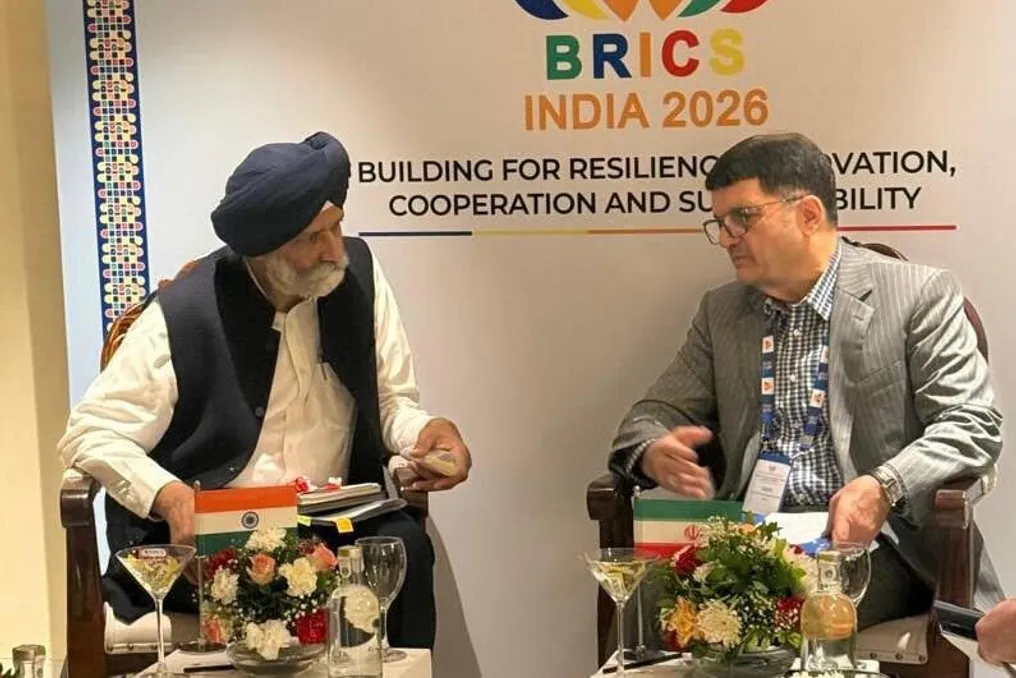
The Deputy Minister of Industry, Mining and Trade for Commercial Affairs emphasized the need to resume the work of the Joint Trade Working Group of Iran and India in order to expand trade ties between the two countries.
According to an IRNA report from the Ministry of Industry, Mining and Trade, Mohammad Sadegh Moftah emphasized this during a meeting with Amarpdeep Singh Bhatia, Deputy Minister of Commerce and Industry of India. He noted that this working group held three meetings before 2015 and played a very constructive role in developing trade between the countries. However, due to political factors and sanctions, it has not been functioning since 2015.
Moftah added that the responsibility for this working group lies with the deputies for commercial affairs and industry of both countries, and its reactivation can significantly help in resolving problems and obstacles hindering the exchange of goods between the nations.
Furthermore, Moftah highlighted the diversification of services provided by UCO Bank of India to Iranian traders. He believes that activating this bank can contribute to the development of trade relations and increase Iran's export share to India. It was proposed to expand the banking services of UCO Bank for Iranian traders into sectors such as industry, mining, power generation, construction, and services, using Indian rupees.
The Deputy Minister also raised the issue of establishing a regular and continuous shipping line between Indian ports and the port of Chabahar. He explained that setting up such a permanent route will play a key role in the development of the Port of Chabahar and create the necessary foundation for investment growth in it. Moftah reported that there is currently no regular line between the Port of Chabahar and Indian ports; the existing line belongs to the Islamic Republic of Iran Shipping Line, which is not regular and transports cargo only as it arrives. Therefore, creating a weekly or bi-weekly regular line will help develop the port and attract investors.
Those planning to purchase a new car can take advantage of major discounts in August thanks to promotions held by various companies in honor of Independence Day. One such promotion offers significant benefits to buyers.
The promotion does not apply to premium products but rather to mid-sized SUVs, with prices starting from 12 lakh rupees. This concerns Honda models in the company's portfolio: Amaze, Elevate, and Honda City.
In honor of Independence Day, the company is offering discounts of up to 95 thousand rupees on the Honda City. This model is equipped with features such as ventilated seats and a 360-degree camera. The car can be purchased under an accessible payment plan, and its price starts from 11.99 lakh rupees including export duties.
The most substantial discount is offered on the Honda Elevate, where the company provides a benefit of 2.45 lakh rupees. Thanks to this offer, the Elevate becomes an excellent choice among SUVs. Furthermore, Honda provides additional accessories for the ZX version of this SUV. The starting price for the SUV is 11.80 lakh rupees including export duties.
Discounts of up to 66 thousand rupees are available on the Honda Amaze. This is the company's most budget-friendly model, which can be purchased with the CNG option. The company also offers promotions on the second generation of the Honda Amaze, where discounts reach 58 thousand rupees.
The current version of the Amaze starts from 7.65 lakh rupees including export duties and has received a 5-star safety rating in Bharat NCAP. The price for the second generation Amaze starts from 6,97,700 rupees including export duties.
It is important to note that these offers may vary depending on the vehicle's configuration, dealer, and region. Honda is extending these promotions until August 31st, although the second version of the Amaze may not be available everywhere.