The Deputy Minister of Industry, Mining and Trade for Commercial Affairs emphasized the need to resume the work of the Joint Trade Working Group of Iran and India in order to expand trade ties between the two countries.
The Deputy Minister of Industry, Mining and Trade for Commercial Affairs emphasized the need to resume the work of the Joint Trade Working Group of Iran and India in order to expand trade ties between the two countries.
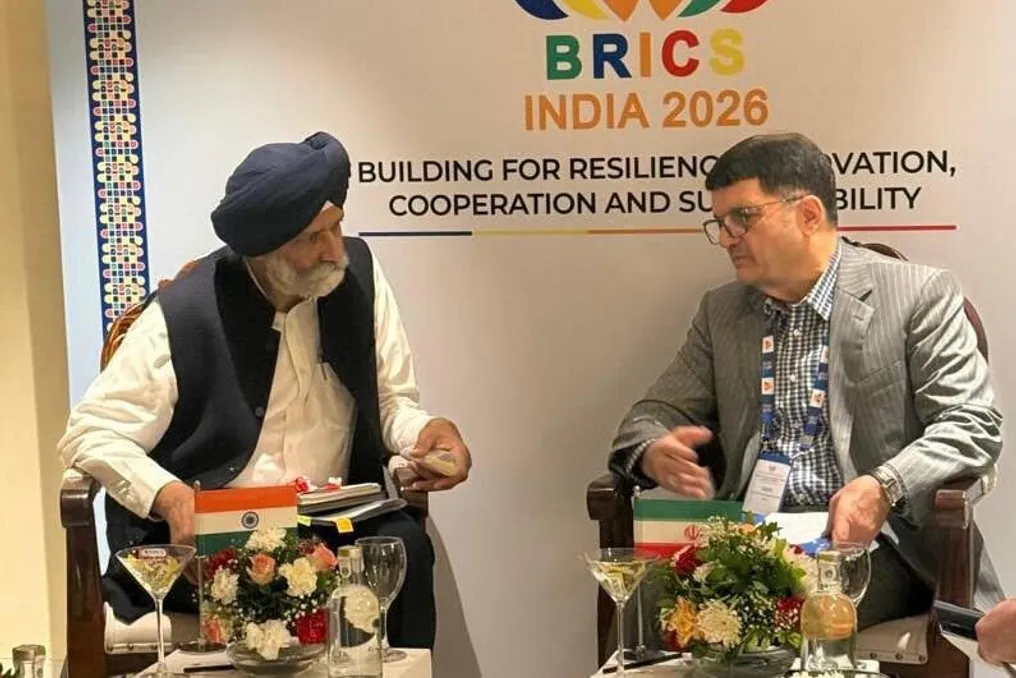
According to an IRNA report from the Ministry of Industry, Mining and Trade, Mohammad Sadegh Moftah emphasized this during a meeting with Amarpdeep Singh Bhatia, Deputy Minister of Commerce and Industry of India. He noted that this working group held three meetings before 2015 and played a very constructive role in developing trade between the countries. However, due to political factors and sanctions, it has not been functioning since 2015.
Moftah added that the responsibility for this working group lies with the deputies for commercial affairs and industry of both countries, and its reactivation can significantly help in resolving problems and obstacles hindering the exchange of goods between the nations.
Furthermore, Moftah highlighted the diversification of services provided by UCO Bank of India to Iranian traders. He believes that activating this bank can contribute to the development of trade relations and increase Iran's export share to India. It was proposed to expand the banking services of UCO Bank for Iranian traders into sectors such as industry, mining, power generation, construction, and services, using Indian rupees.
The Deputy Minister also raised the issue of establishing a regular and continuous shipping line between Indian ports and the port of Chabahar. He explained that setting up such a permanent route will play a key role in the development of the Port of Chabahar and create the necessary foundation for investment growth in it. Moftah reported that there is currently no regular line between the Port of Chabahar and Indian ports; the existing line belongs to the Islamic Republic of Iran Shipping Line, which is not regular and transports cargo only as it arrives. Therefore, creating a weekly or bi-weekly regular line will help develop the port and attract investors.
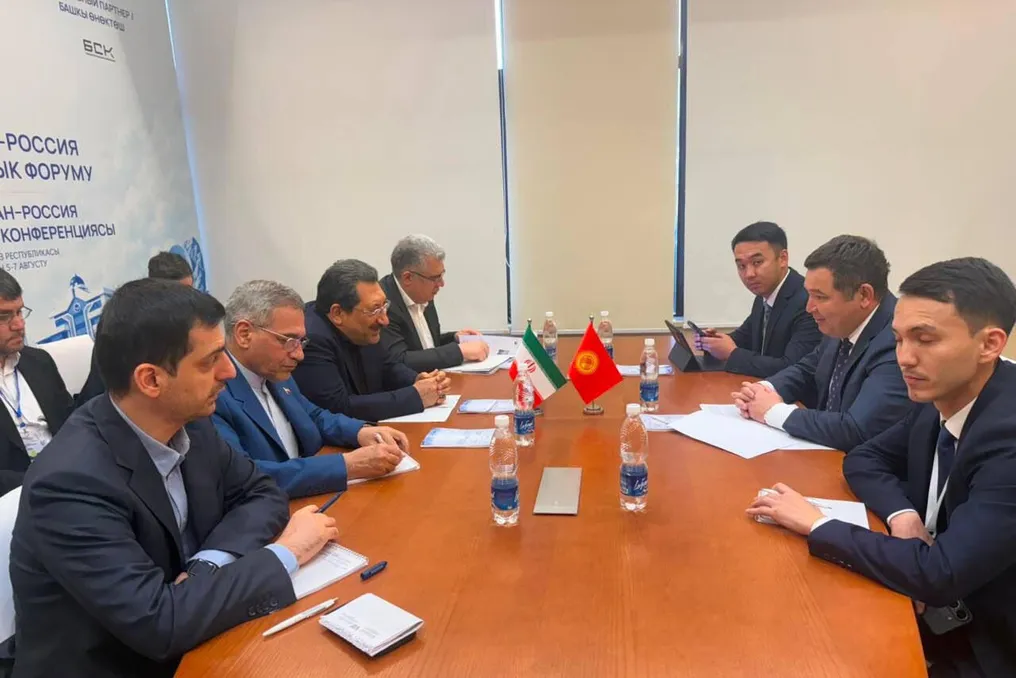
During the meeting of Iranian and Kyrgyz ministers, both sides focused on developing trade exchange, joint investments, and expanding cooperation in industrial, mining, energy, transport, and free zone areas. The goal of these measures is to enhance economic ties between the two states.
According to IRNA from the Ministry of Industry, Mining and Trade, the meeting included the Minister of Industry, Mining and Trade 'Seyyed Mohammad Atabak' and the Minister of Economy and Trade of Kyrgyzstan, Bakyt Tolomushevich Sidykov. Emphasizing the significant potential for economic interaction, the sides insisted on strengthening trade relations and attracting investment within regional agreements, including the Eurasian Economic Union and the Shanghai Cooperation Organisation.
Furthermore, the importance of developing joint production for export to third-country markets, strengthening cooperation in exporting knowledge-based products, pharmaceuticals, and medical equipment, as well as expanding interaction between free zones and increasing investment in the industrial and mining sectors, was noted.
In the field of mining and energy, Iran stated its readiness to cooperate with Kyrgyzstan in exploration, extraction, processing, provision of technical and engineering services, modernization of the mining industry, and transfer of technical knowledge, referencing Kyrgyzstan's mineral resources.
Regarding transport and transit, the sides agreed to intensify work on the Bandar Abbas–Osh railway route, organize direct flights, reduce transit costs, and complete the creation of regional corridors. Special attention was paid to the importance of participation in the 'Belt and Road' initiative and utilizing Iran's transit potential to connect Kyrgyzstan with international and regional markets.
The sides also agreed to develop banking, logistics, and transport infrastructure, establish a joint banking committee, use national currencies, create joint investment funds, and apply modern financing methods.
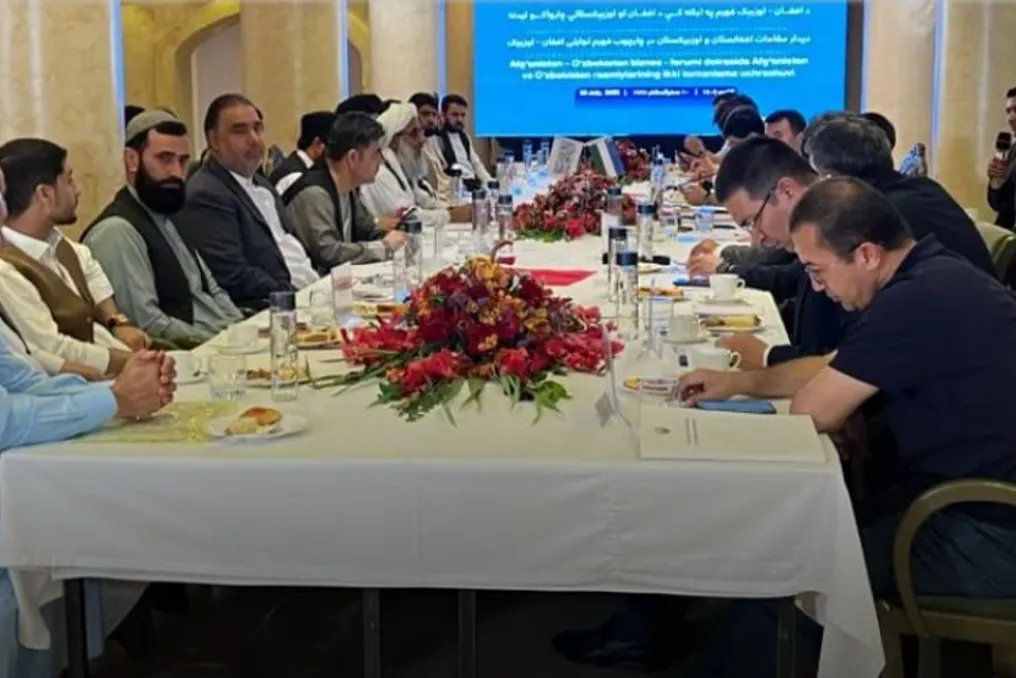
Uzbekistan and Afghanistan held a meeting to discuss deepening economic cooperation. The parties confirmed the goal of increasing mutual trade volume to the mark of $5 billion and developing more favorable conditions for doing business.
The negotiations included Jamshid Khojaev, Deputy Prime Minister of Uzbekistan, and Nur Ahmad Islamjar, Governor of the Afghan province of Herat. Representatives from the chambers of commerce of both countries, heads of relevant ministries, and businessmen were present.
The central topic of discussion was achieving the target turnover of $5 billion. Furthermore, the parties agreed to introduce special, preferential tariffs on fourteen items of Afghan products intended for export, and also provided for discounts on the transportation of goods by rail between the two states.
Mohammad Yunus Kazizad, Chairman of the Herat Chamber of Commerce and Industry, noted his region's interest in implementing joint investment projects and its readiness to assist in developing partnerships between Uzbek and Afghan enterprises. As a result of the meeting, it was decided to maintain continuous dialogue regarding logistics, trade, and investment issues.
Previously, Uzbekistan initiated the introduction of a new format of container railway transport directed to Afghanistan. This measure is expected to help reduce transportation costs and simplify the process of delivering goods for business circles.