Discussions about the relationship between Iran and South Korea often focus on trade volumes, the petrochemical industry, or technology transfer. However, according to a recent analytical report by the Iran-South Korea Joint Chamber of Commerce, the foundation of the partnership is much deeper and more inspiring than commonly believed. This story goes beyond simple commercial interaction, encompassing a shared concept, architectural mastery, and intercultural engineering, offering valuable lessons for a shared future.
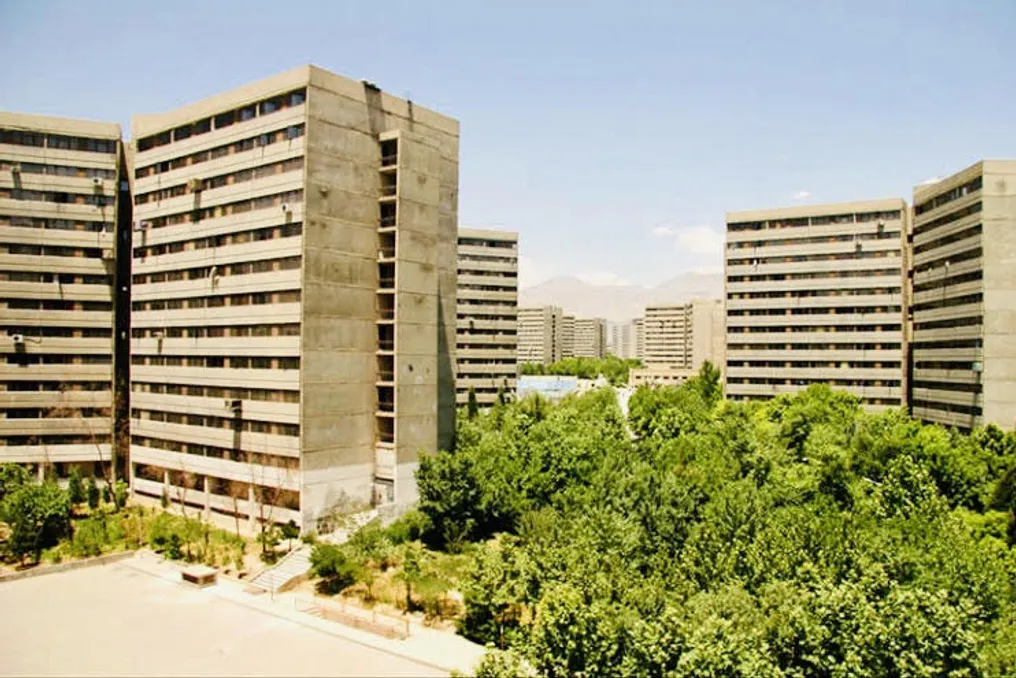
In a detailed review, the Chamber highlights a little-known but significant period of history: the involvement of the prestigious South Korean group SPACE in designing the landmark city of Tehran—Ekbatan—in the 1970s. At a time when Iran was implementing some of the region's most massive urban development projects, the SPACE group, founded by the distinguished architect Kim Soo-un, one of Asia's most influential design thinkers, collaborated with Iranian specialists.
Under the guidance of engineer Rahman Golzar from the Tehran reconstruction and development company, this collaboration merged the philosophy of Korean modernism with the needs of Iranian urban planning. The result was the city of Ekbatan, which remains a model of modern residential planning in Iran today. Its success is attributed not only to building materials but also to the synergy of international experience and local aspirations.
Kim Soo-un, who masterfully combined contemporary forms with traditional Korean aesthetics, later designed the main stadium for the 1988 Seoul Olympics, but his contribution to the urban landscape of Tehran remains one of his most significant international achievements.
The significance of this story today lies not only in its historical interest. It demonstrates that Iran and South Korea have long possessed the potential for genuine technical and intellectual interaction. Nearly half a century before recent waves of diplomatic and economic rapprochement, Korean and Iranian professionals were already exchanging knowledge, building trust, and creating landmarks that will serve future generations.
By publishing this reflection, the Iran-South Korea Joint Chamber of Commerce rightly calls this episode 'one of the least known pages of bilateral history.' However, the author also considers it one of the most encouraging. He reminds us that the relationship between the two countries is defined not by temporary political winds, but by a strong, creative, and people-oriented bond. From urban design to engineering innovations, both nations have proven that together they build better.
When planning the future of infrastructure projects, smart cities, and sustainable development in Iran, the legacy of the SPACE group and Engineer Golzar's team is not just a memory, but a model. It shows that the combination of Korean precision and Iranian vision leads to time-tested results. The future cooperation between Iran and Korea looks promising, as it is built upon a foundation that is often underestimated.