Whether it is an online food delivery application or a famous restaurant's menu, whenever a vegetarian sees a paneer dish, their desire awakens. Dishes like Paneer Tikka, Paneer Butter Masala, Shahi Paneer, Paneer Do Pyaza, or Paneer Lababdar are immediately ordered upon sight.
However, it is important to know how authentic the paneer served in restaurants is. A special sting operation conducted by 'AajTak' in February 2026 exposed the illegal trade of this 'fake paneer' and adulteration in the market.
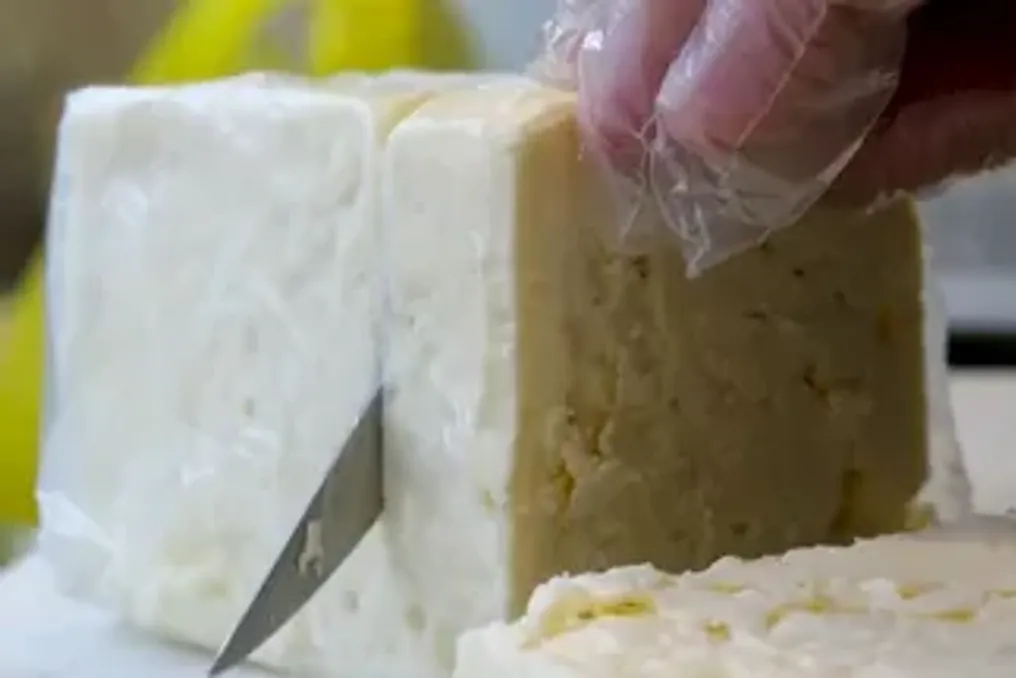
Currently, three types of paneer are available in the market: first, dairy paneer, which is made entirely from milk and is real paneer; second, tofu, which is prepared from soy milk and is considered healthy and genuine; and third, analog paneer, which is not real paneer but is made using various harmful chemicals and oils.
It is almost impossible to distinguish between real dairy paneer and analog paneer, and due to this inability to identify, people are unknowingly compromising their health.
Maharashtra, Chhattisgarh, and Gujarat have banned analog paneer due to understanding its dangers. No shopkeeper, hotel, restaurant, or street food vendor in these states can sell food made from analog paneer, and local administration is continuously conducting raids to end this activity. In contrast, the Food Safety and Standards Authority of India (FSSAI) does not consider it completely dangerous, which is why a national ban has not been imposed on it.
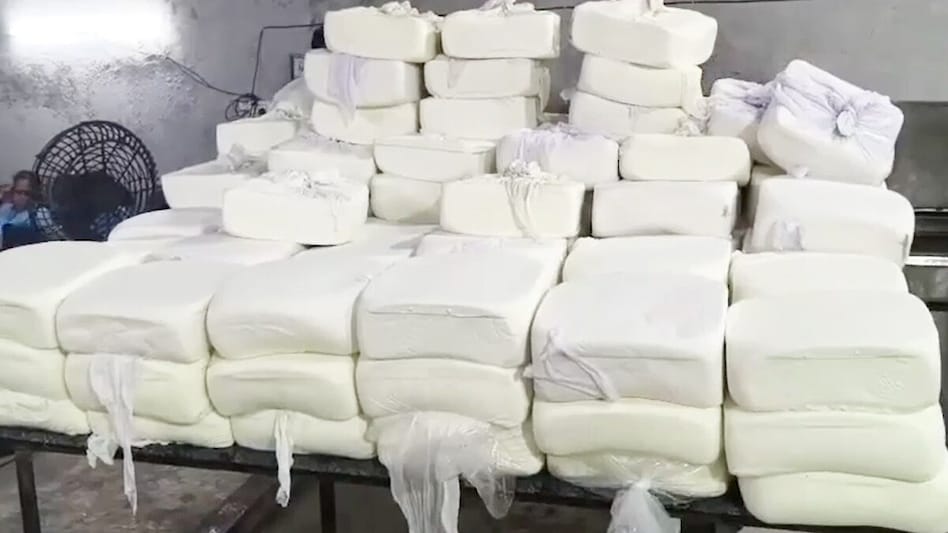
The sting operation revealed that adulterated goods, including analog paneer, are being prepared in the laboratories of adulterators. This analog paneer is manufactured using chemical substances such as vegetable oil, starch, emulsifiers, and stabilizers. Additionally, fake milk is being made using soda and vanaspati ghee, while fake khoya is being prepared with the help of soapstone, i.e., French chalk.
According to reporter Nitin Jain's report, Mewat in Haryana is the main center for the supply of fake and analog paneer in the Delhi-NCR region. Meanwhile, fake milk and khoya are being supplied from Shamli and Baghpat in Uttar Pradesh.
The sting team met Haji Karar of 'MK Industry' at a factory in Mewat. The real paneer of a branded company is available in the market for ₹450 per kilogram, whereas Haji Karar is making it available for only ₹80 per kilogram. He calls it 'ragdu paneer', in which the use of milk is negligible.
Saifi, another supplier from Mewat, stated that approximately 1200 to 1300 kilograms of fake paneer are sent daily to 15 distribution centers in Delhi-NCR. During festival and wedding seasons, this supply increases to about two and a half thousand kilograms per day. Mustafa from Khedi Kalan also confirmed that obtaining pure paneer in this area is extremely difficult.
This game of adulteration is not limited to paneer. Shaukeen, a supplier of fake milk in Shamli, UP, was seen preparing milk by mixing soda and dalda. Meanwhile, the main center for fake khoya was the supplier named Hashim in Baghpat, who was preparing fake mawa using soapstone (French chalk).
This fake material is easily reaching the kitchens of many large hotels, restaurants, and institutions in Delhi-NCR. The kadhai paneer or shahi paneer you are enjoying in a restaurant might actually be a dangerous mixture of palm oil, starch, and chemicals. Adulterators earn profits by selling this poison at low prices, the heavy cost of which the general public bears in the form of hospital bills.