A legal norm is effective only when it is correctly applied. Despite thousands of children having the legal right to education in private schools under the Right to Education (RTE) Act, many of them still could not be enrolled.
A legal norm is effective only when it is correctly applied. Despite thousands of children having the legal right to education in private schools under the Right to Education (RTE) Act, many of them still could not be enrolled.
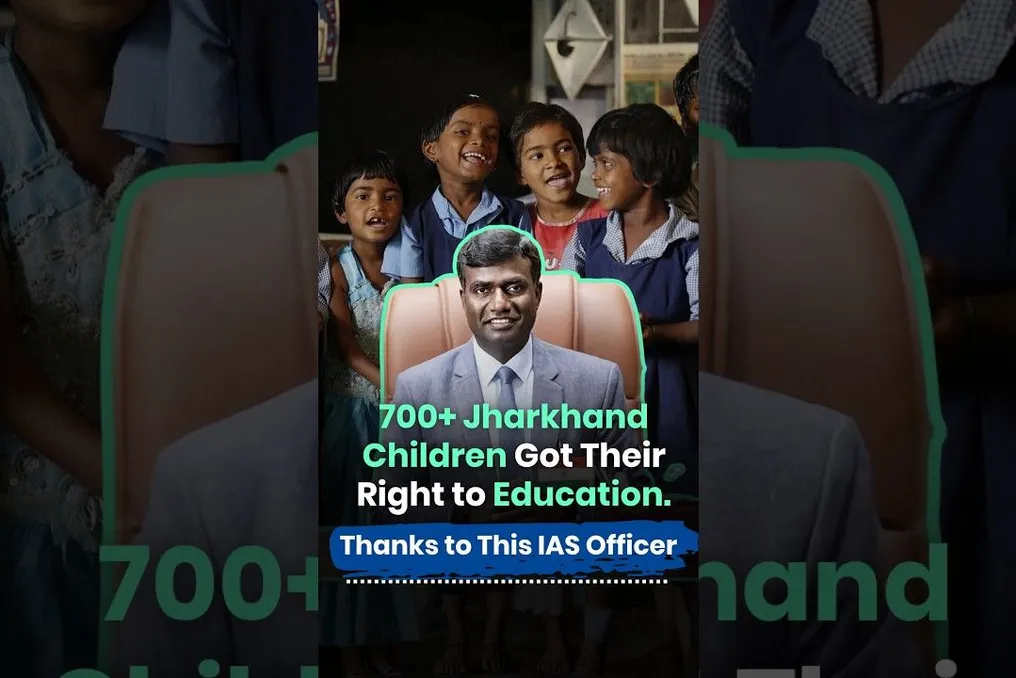
At this point, IAS officer Manjunath Bhajantari intervened to make the system fair, transparent, and accessible. He promoted transparency in RTE admissions by digitizing the enrollment process and implementing public lotteries.
Furthermore, he ensured compliance with the law even from elite private educational institutions and fought against illegal fee hikes, making quality education more accessible and protecting the rights of hundreds of families.
His work serves as a reminder that significant governance does not always lie in launching new programs, but in ensuring that existing rights actually reach the people for whom they are intended.
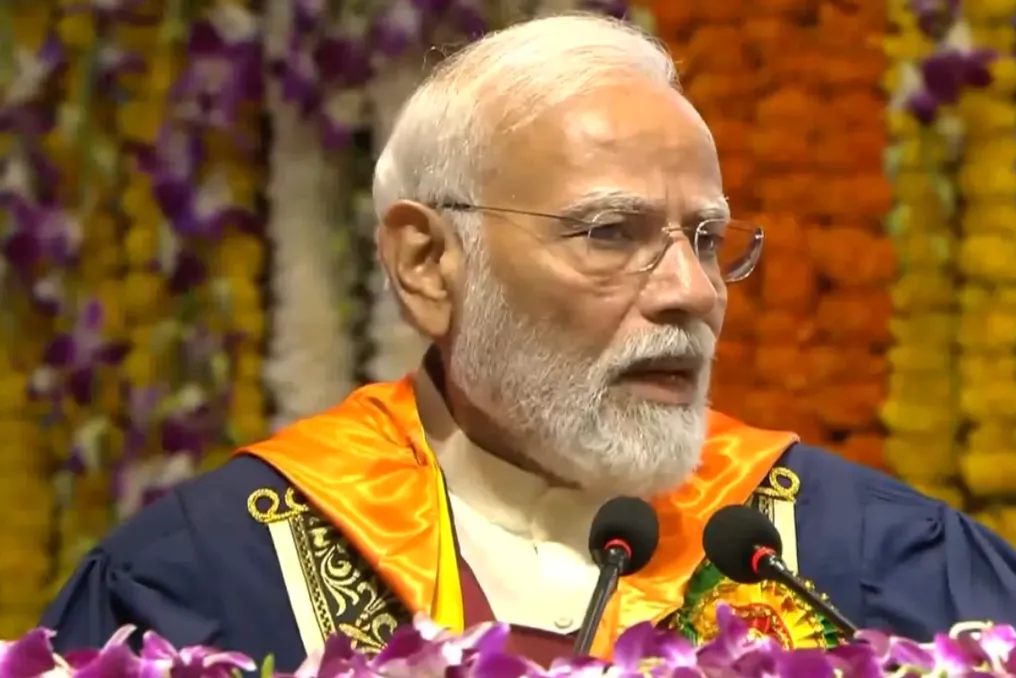
Prime Minister Narendra Modi participated in the convocation ceremony of the 57th batch of the Indian Institute of Technology (IIT) Delhi on Saturday. During the event, he presented the institute's highest awards to the high-achieving students.
Modi noted that the number of girls among the medal winners was too low, expressing his disappointment with this fact.
Prime Minister Narendra Modi attended the 57th convocation ceremony at IIT Delhi on Saturday. During the event, he congratulated the students on the start of their new phase and wished them a bright future.
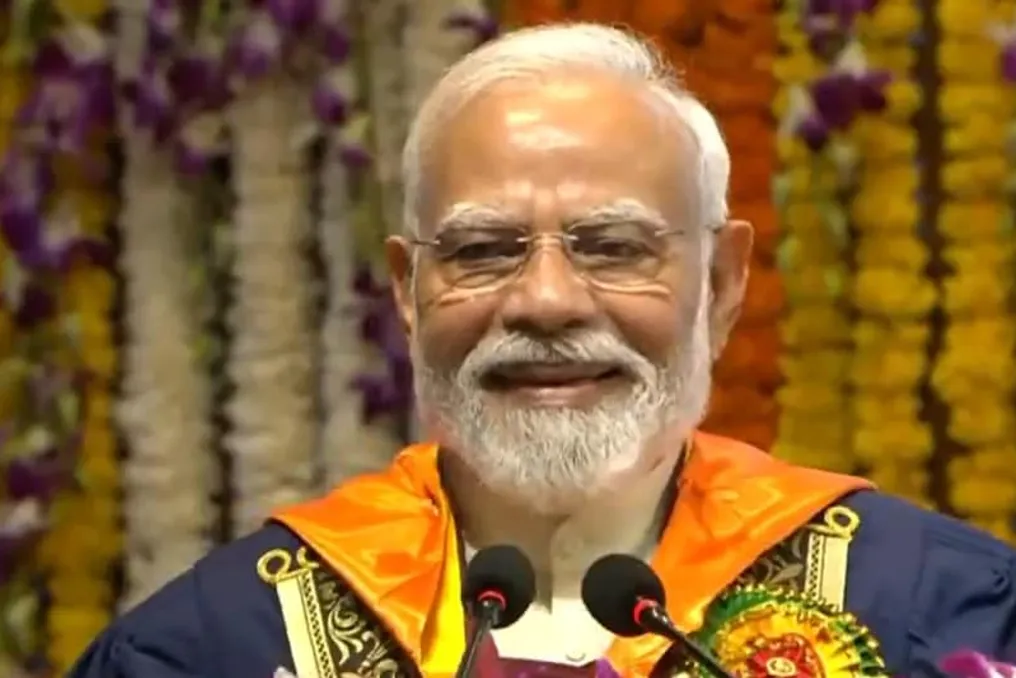
Modi humorously noted that although all students are present at the ceremony, they are surely contemplating the future in their minds. Smiling, he said: 'I am not Baba Bagneshwar, but something is happening.'
The Prime Minister emphasized that every student has their own vision for the future. Some are waiting for their first job and salary, others dream of launching their own startups, and a third group aims to prepare for further competitive exams. He noted that despite the differences in dreams and goals, all students share a similar enthusiasm today.
He asked the students to recall their first day at IIT Delhi, mentioning that it seems like orientation was only yesterday, and now it is graduation day. Modi stated that a new chapter begins in the life of every student from this day forward.
Modi also commented that the world order is rapidly transforming, and technological progress is one of the key reasons for this. He acknowledged that it is difficult to predict what the world will be like in 20–30 years. However, he stressed that technology and the world will change, and in this changing environment, those who continuously learn will move forward.
Addressing the graduating students, Modi warmly congratulated them on their achievements. He added, however, that it would be even better if there were more girls among them, asking, 'Why only one or two? There should be more.'
The Prime Minister also recalled the era of slavery and the struggle of that generation. He reminded them that every generation carries a certain national responsibility. Before gaining independence, people fought for the country's liberation, enduring long years of struggle, sacrifice, and self-sacrifice.
Modi noted that the ability to breathe in free India became possible due to the labor and sacrifices of that generation. He pointed out that modern challenges are different, and consequently, the responsibilities of the current generation are also different. He urged the students to consider what benefit their future endeavors will bring to the country and what needs it will satisfy when making decisions over the next 30–35 years, as this will influence India's path of development.