Although running is considered very beneficial for maintaining good physical shape and losing weight, doctors are observing changes in people's health status. A problem previously known as femoroacetabular impingement (FAI), which is often found in athletes, is now becoming common among ordinary people. Orthopedists in the country's hospitals are encountering similar cases that may require surgical intervention.
Doctors explain that the reason the FAI problem, characteristic of athletes, is occurring in ordinary citizens is due to the growing popularity of running. Dr. Rahul Grover from the sports traumatology center at Safdarjung Hospital in Delhi notes that FAI is a known issue among athletes, manifesting as hip joint pain. Athletes often put pressure on their joints during certain exercises, leading to this problem. However, now people who are not professional athletes but have recently started running are seeking help. Upon examination, FAI is discovered in some of them.
Dr. Rahul explains the link between running and the condition: if a person has not been running for a long time and then starts running daily for a distance of three to five kilometers, an error often occurs. People run without proper preparation and without considering their body's capabilities. If a runner has an initial predisposition to FAI, symptoms may appear during running. To understand the cause, one must examine the structure of the hip joint.
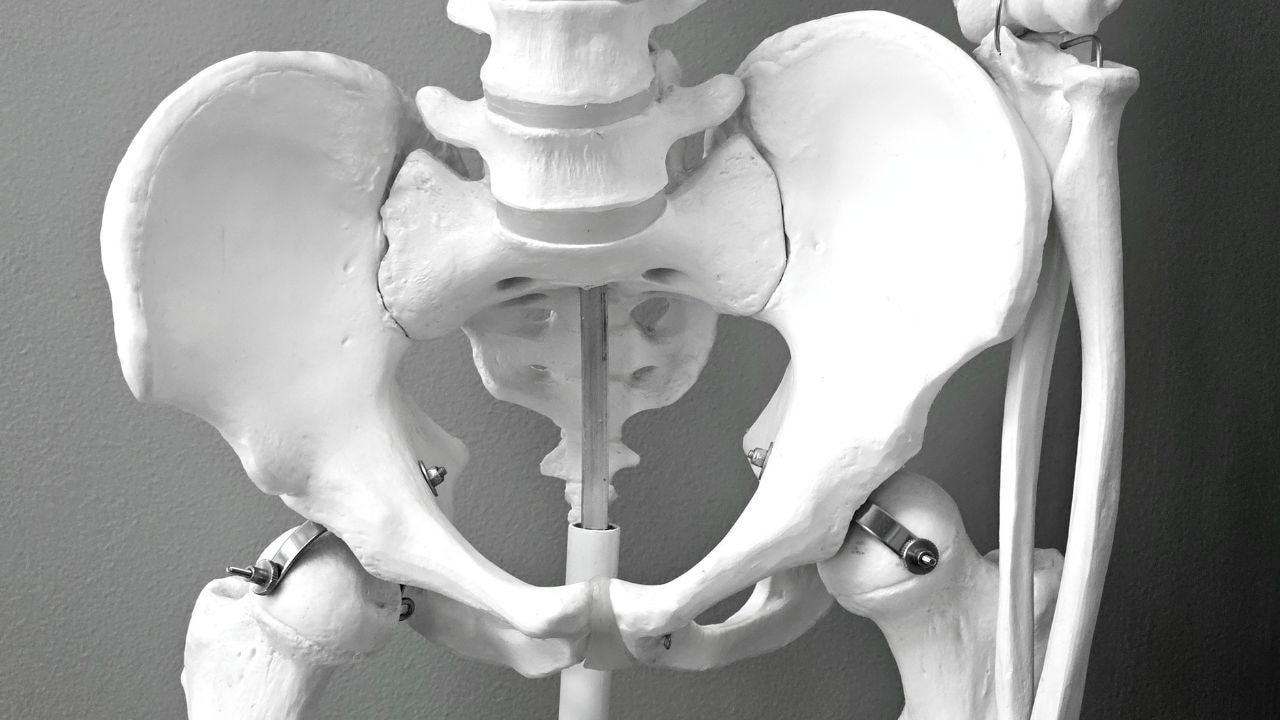
The upper part of the largest thigh bone has a rounded shape and fits into the socket of the pelvis. This joint helps the leg move in different directions when walking, standing, sitting, or running. In FAI, the structure of this joint is such that excessive friction occurs between the bones. Problems arise when these parts rub against each other during repeated bending or turning of the leg. Initially, a person might not notice this, but constant friction can damage the soft tissue inside the joint, causing pain. During running, the joints also rub against each other, which intensifies hip joint pain.
Dr. Rahul emphasizes that it is medically incorrect to state that simply running or participating in a marathon will necessarily lead to FAI, as many people have naturally different hip joint structures and live normal lives without realizing it. Nevertheless, excessive training or overly intense running can cause symptoms to manifest earlier than in other people.
He also stresses that running itself is not wrong; it is very beneficial for health and recommended by doctors. However, daily jogs without warm-up, practice, and proper nutrition can aggravate an existing FAI problem. Many start running or participating in marathons, but not everyone knows the correct way to run. Exceeding the body's limits and lacking proper preparation can lead to injuries.
Dr. Yash Gulati, Senior Consultant in Orthopedics, Joint Replacement, and Spinal Surgery at Apollo Hospital in Delhi, adds another important point. He points out that some people starting to run may have underlying joint problems. Some may have initial arthritis, while others may have hip or knee problems they are unaware of in daily life. When a person suddenly starts running, increasing the distance without assessing their physical fitness, they may manifest symptoms of an existing problem. Thus, the problem is not the marathon, but rather that the person starts chasing distance while ignoring their preparation and body condition.
According to Dr. Gulati, before starting to run, several factors must be considered, especially if there were previous pains in the knees, lower back, or hips, and one should not start long runs while ignoring these sensations. This is extremely important right now.
Dr. Bhawuk Garg from the Department of Orthopedics and Spinal Surgery at Max Hospital in Saket also discussed this topic. He confirms that FAI is a common problem among athletes, although the situation may differ for ordinary people.