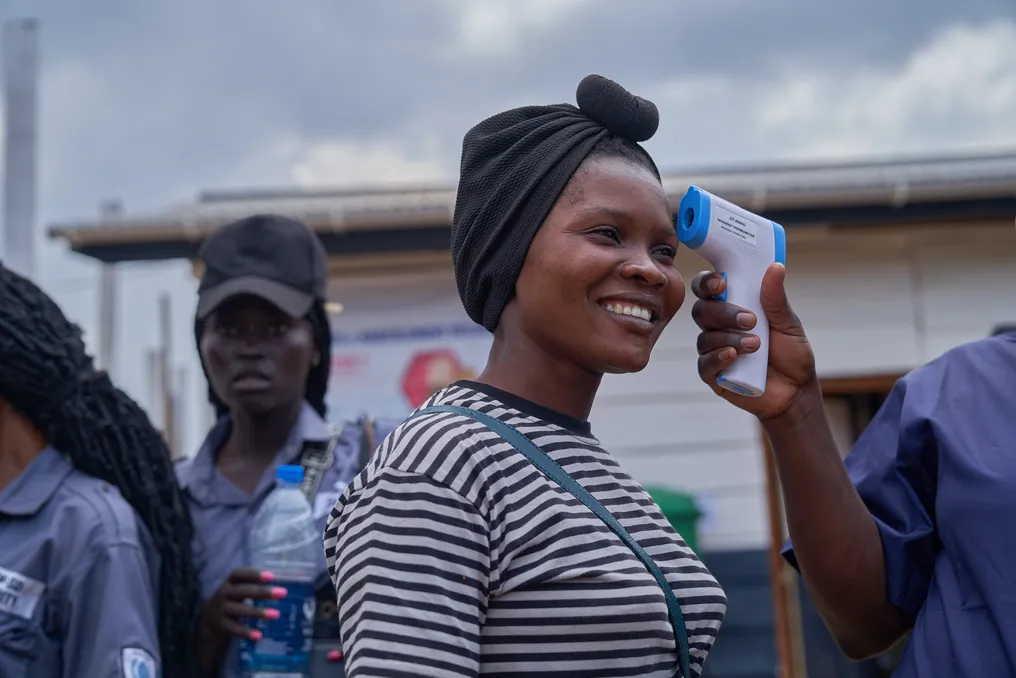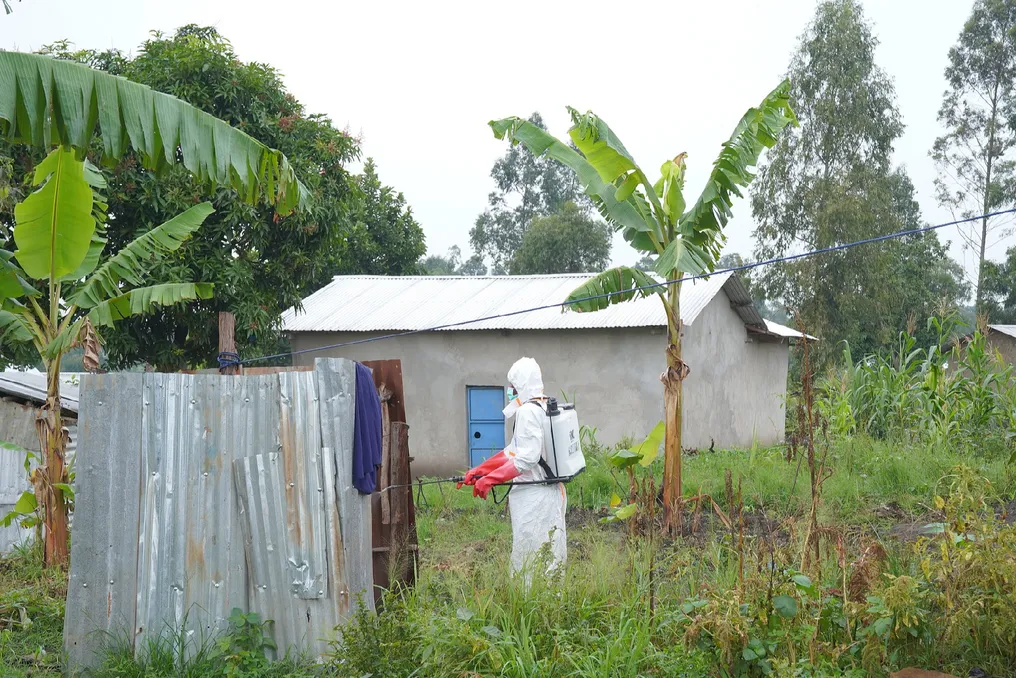
According to data published on Thursday by national health authorities, over 4000 confirmed cases of Ebola and 1850 deaths have been registered in the Democratic Republic of Congo (DRC).
Currently, 694 patients are under observation in hospitals or in isolation, and 793 people have recovered. The medical humanitarian organization Doctors Without Borders reported that the transmission of the virus in eastern DRC continues to accelerate without signs of slowing down, calling the Ebola outbreak 'more critical than ever'.
Children account for a significant portion of the victims. UNICEF data shows that at least 743 children under 18 years old have been infected with the virus, leading to 330 deaths. Although minors make up less than a quarter of the total cases, they are responsible for almost a third of all deaths; moreover, the fatality rate among children under five is more than twice that of adults.
Fear of infection has also led to a decrease in scheduled childhood vaccinations and maternal care in heavily affected areas, such as the Ituri province.
According to the African Centre for Disease Control and Prevention (Africa CDC), the outbreak has expanded from nine to 51 health zones, making it larger in scale than previous cases in the country.
The Director-General of Africa CDC, Jean Kasaya, pointed to several operational limitations, including poor contact tracing, insufficient bed capacity, lack of funding, local instability, and potential virus mutations.
While neighboring Uganda managed to stop local transmission through rapid containment measures, public health authorities classified 11 regional countries—including South Sudan, Rwanda, and Kenya—as high-risk zones, calling for increased international resource allocation to address containment gaps.