According to information provided by a diplomatic source, Morocco has taken clear commitments regarding the return of unaccompanied minors to their country of origin, contingent upon appropriate directives from King Mohammed VI.
The source noted that some Spanish politicians and media outlets interpret the situation as if Morocco has breached its agreements, but the source rejected this interpretation, criticizing the use of this issue for political purposes.
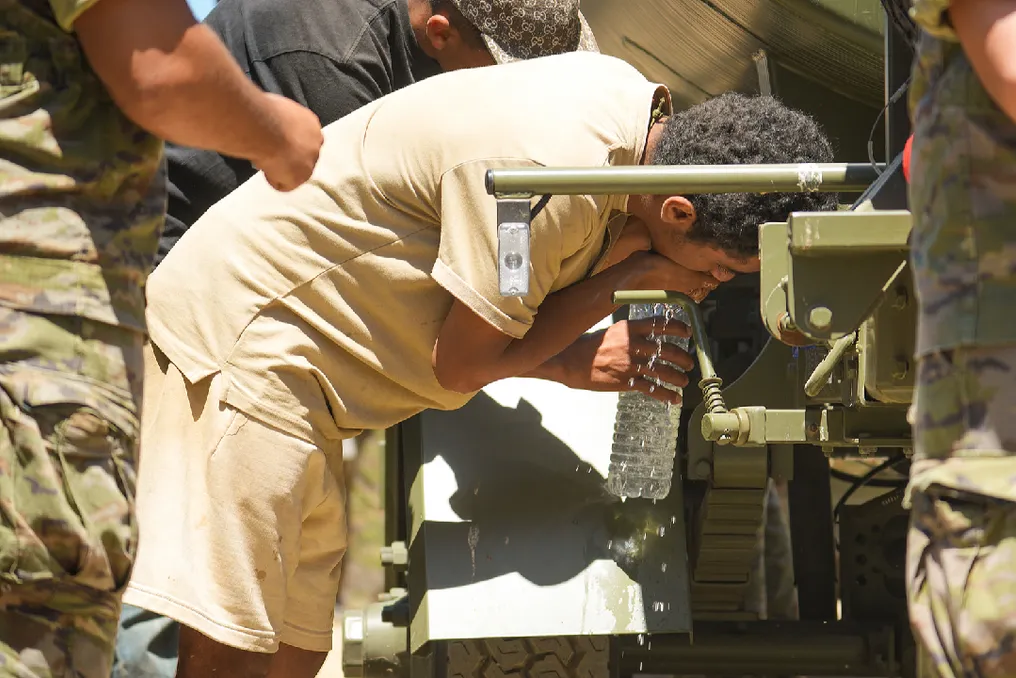
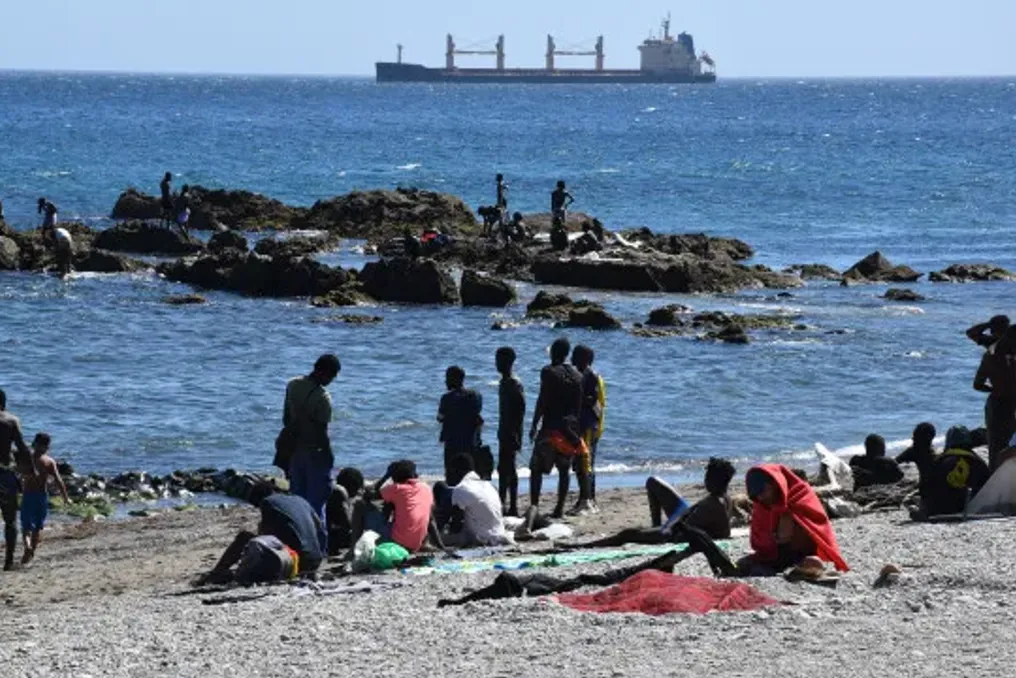
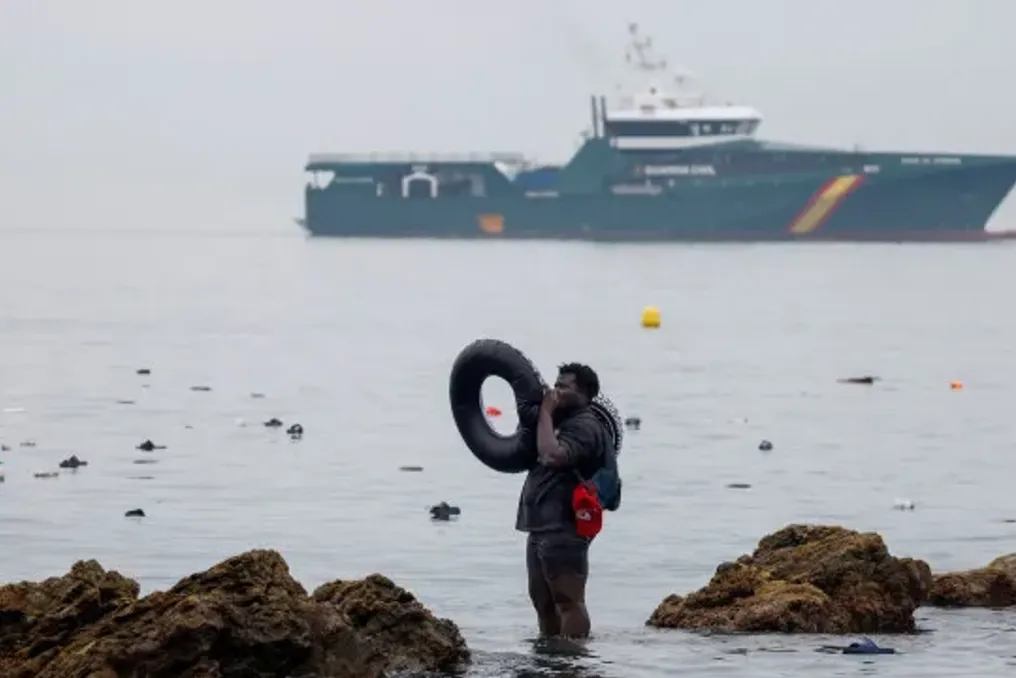
Last week, approximately 72,000 people entered Ceuta, an autonomous city located in North Africa, and according to Spanish authorities, 70,000 of them have already returned to Morocco. At least 82 people died while attempting to swim to Ceuta.
Ceuta, a small region with a population of 80,000, is located in the far north of Morocco, borders the Strait of Gibraltar, and is one of two land borders between Africa and Europe, alongside the other Spanish enclave of Melilla.
Among the migrants remaining in the Spanish city are dozens of unaccompanied minors. According to the Moroccan source, the issue of returning these children was already discussed in a joint statement by the Moroccan and Spanish Ministries of the Interior in June 2021.
The source emphasized that identifying the children 'is not an obstacle to their return.' He specified that the main problem lies in administrative and sometimes judicial measures in Spain. In his words, a child cannot return or benefit from cooperation operations due to existing obstacles in Spanish legislation, which provides for a special approach to children.
The diplomatic source also mentioned that some non-governmental organizations (NGOs) advocate a position that, in his opinion, contributes to the children's stay in reception centers in Spain. This situation leads to Morocco being accused of lacking the political will to carry out returns, whereas, according to him, 'the reality is completely different.'
He specifically highlighted that Morocco has always been ready for this matter, and an agreement was reached at the highest level of government. Morocco is fulfilling its obligations and wishes to continue doing so, provided that legal and administrative barriers are removed to operate in this area without problems.
In 2024, the Moroccan Minister of Foreign Affairs, Nasser Bourita, reiterated Rabat's readiness to accept its unaccompanied minors in European Union countries. He pointed to gaps in European legislation and procedures as one of the main obstacles to their return. Bourita also called for solutions to overcome these barriers, which, in the minister's opinion, could facilitate human trafficking networks.