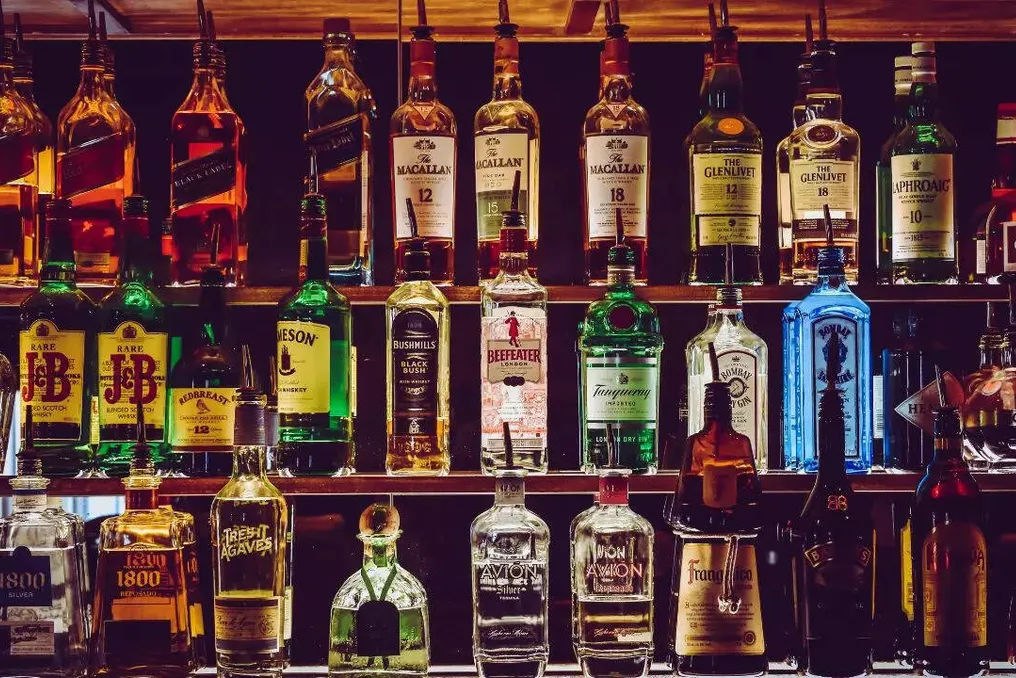
A new report prepared by NCAER suggests lifting the ban on the sale and consumption of alcohol in Bihar. The aim of this proposal is to generate resources for financing development and capital expenditures.
The report asserts that the ban has not led to a decrease in violence against women, but rather has encouraged the shift from legal alcohol consumption to illegal spirits and narcotics. The team of economists, led by Ratna Sahai, believes that lifting the ban could help the state increase tax revenue by 14–15% while reducing enforcement costs.
The report also advocates for increased central transfers to states to support flood control measures. It notes that despite a significant rise in illicit alcohol trade, overall data does not indicate a widespread reduction in violence against women since the ban was implemented. Furthermore, the prohibition regime was accompanied by concerns regarding the expansion of illegal hard liquor trade, complicating law enforcement tasks and corruption, as well as an increase in the use of alternative intoxicants, including prohibited drugs.
After returning to office with promises to introduce a ban, Nitish Kumar imposed a strict prohibition on the sale and consumption of alcohol in one of the country's most stringent regimes. Although the report acknowledges Kumar's achievements as Chief Minister in restoring law and order and setting Bihar on a path of development, it points out that the state lags behind many others in mobilizing revenue and relies on funds from the Centre.
The report identifies six priority areas for the state: gaps in education, healthcare issues, deficiencies in governance and law enforcement, recurring floods and natural disasters, lack of private sector, and gender discrimination and violence. To achieve these goals, it proposes increasing capital expenditure, reducing subsidies, boosting resources, and securing more funds from the Centre.
It was noted that Bihar's debt burden, at 39% of the state's GDP, is higher than that of high and low-income groups, with the exception of Punjab (47%) and Bengal, which is in a similar situation. The report concludes that raising state revenue alone is insufficient to finance reforms due to a limited tax base, necessitating additional transfers from the Centre depending on the reforms undertaken.