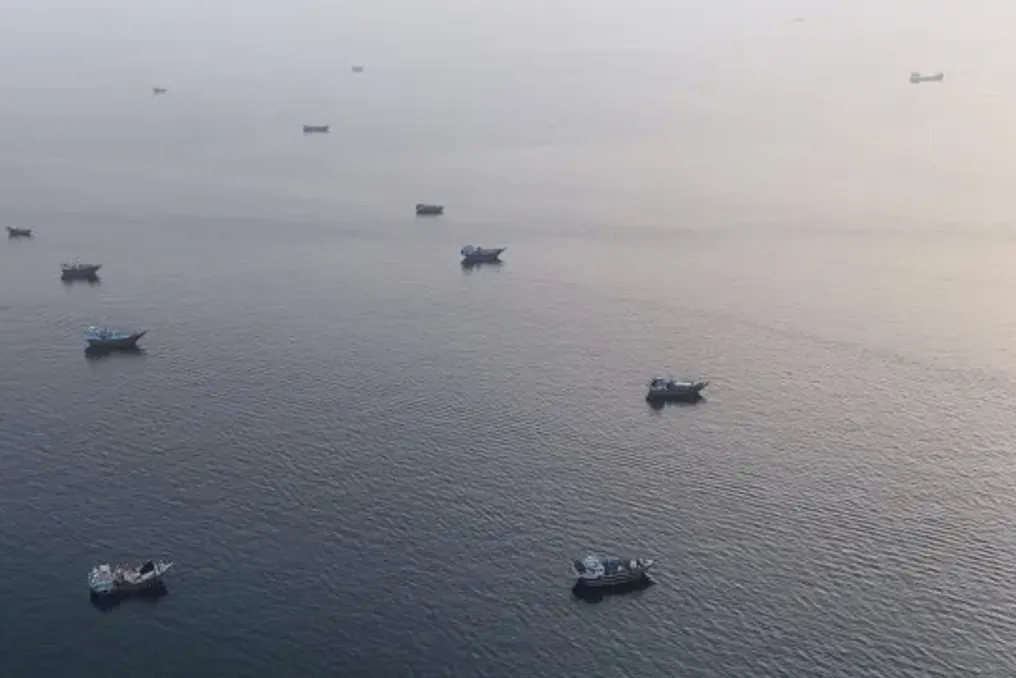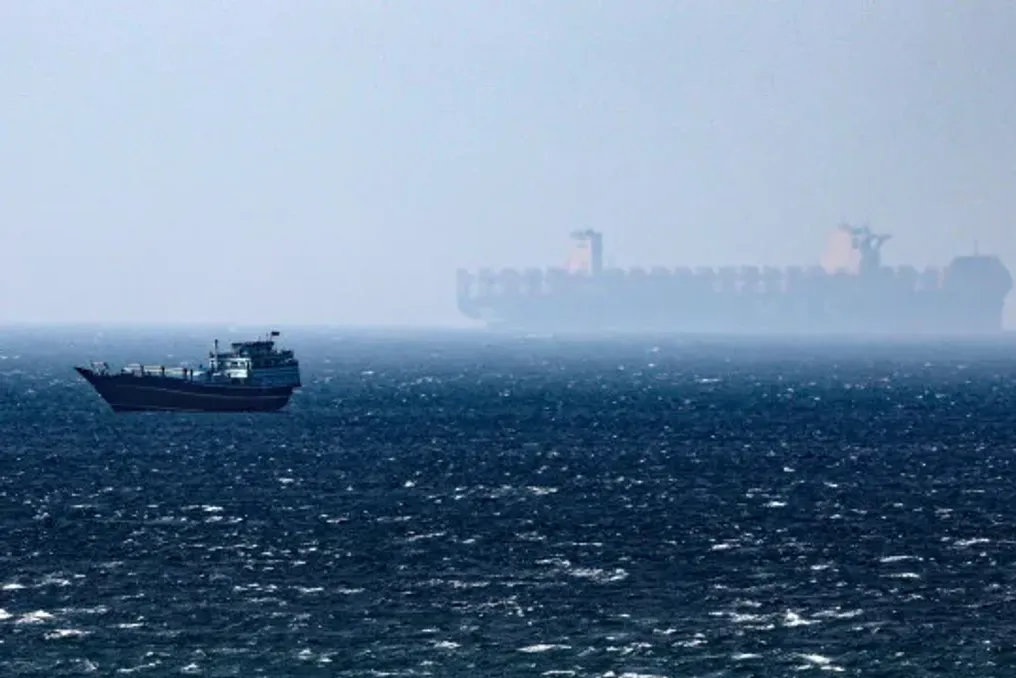
A maritime monitoring and risk analysis portal reported eight confirmed passages through the Strait of Hormuz on Thursday, representing a 33% decrease compared to the previous day. In contrast, crossings through the Bab el-Mandeb Strait saw an 18% growth.
The data shows that the downward trend in Hormuz, which began on Wednesday with only 12 crossings (three fewer than the previous day), persisted. Most of the vessels that passed through Hormuz on Thursday utilized what was called the 'Iranian unilateral navigation scheme,' according to Kpler.
According to the platform, which uses MarineTraffic data, this system is a corridor imposed by Iran, forcing commercial ships to navigate near Iranian territorial waters instead of following the international route defined by the International Maritime Organization (IMO).
This reduction in traffic flow is also attributed to the insecurity of shipping companies. This occurs at a time when Iran had announced an agreement with Oman on Wednesday to establish a safe maritime route in Hormuz. This route was used by 20% of petroleum products before the conflict initiated by the United States and Israel against the Islamic Republic on February 28.
Iranian authorities clarified that this new route will partially cross the territorial waters of Iran and Oman, allowing commercial ships to pass under a new management model, replacing the temporary routes agreed upon between the two countries. Tehran and Muscat are finalizing a joint statement on this understanding.
Reports from various monitoring platforms indicate that approximately 70 vessels have been targeted by attacks in the Strait of Hormuz since the beginning of the war involving the United States, Iran, and Israel. The dialogue between Iran and Oman takes place after the failure of the memorandum of understanding signed by the United States and the Islamic Republic on June 17, which provided for an immediate ceasefire and 60 days of negotiations for a definitive peace agreement.
However, the parties returned to military confrontation, with Tehran re-imposing restrictions in Hormuz and Washington once again applying a naval blockade to Iranian ports.
The Abu Dhabi National Oil Company (ADNOC), the UAE's main state energy company, communicated that 15 of its vessels were attacked in Hormuz over the last five months, resulting in the death of one crew member and injuries to 20 others. In a statement, ADNOC reinforced its commitment to meeting customer needs 'despite exceptional circumstances and challenges,' mentioning the closure of Hormuz and retaliatory attacks by Iran against the energy infrastructures of the Emirates and other Gulf countries.
The Abu Dhabi company also emphasized 'the importance of respecting and protecting freedom of navigation and the right of safe passage for commercial vessels through international waterways, free from any threat, obstruction, or attack.'
In contrast to the decrease in trade in Hormuz, Kpler noted that activity in Bab el-Mandeb rose by 18% on Thursday, totaling 26 confirmed crossings. However, Bab el-Mandeb is also under threat from the Houthi rebels of Yemen, who imposed a maritime blockade on Saudi Arabia.
On Thursday, the Houthis claimed two more attacks against Saudi oil tankers in the Gulf of Aden and off the coast of Yanbu, in the Red Sea, raising the number of Arab kingdom vessels targeted by the Yemeni rebels since the blockade imposed at the end of July to nine. The Arab kingdom, a major oil exporter in the region, faces disruptions in both Hormuz traffic and the Red Sea, the main route for exporting its crude oil.
In this scenario, leaders from Saudi Arabia, Pakistan, and Turkey signed a trilateral defense agreement in Mecca. According to the three countries' declaration, this pact establishes a mutual protection system, where an attack on one is considered an attack on all.