A new analysis of minerals collected in the Colônia Crater, located in the extreme south of São Paulo (SP), provided robust evidence that this geological formation resulted from an asteroid impact on Earth.
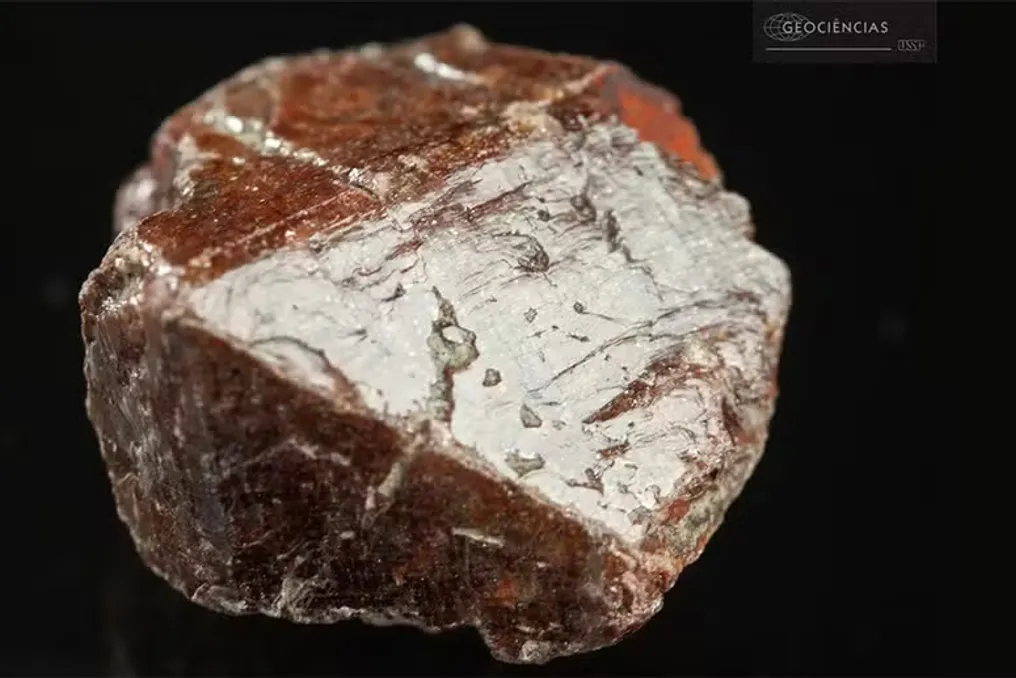
Researchers from the University of São Paulo (USP) and the Institute of Environmental Research managed to identify, for the first time at that site, shock micro-marks in zircon grains. This mineral is notable for its ability to retain traces of extreme events.
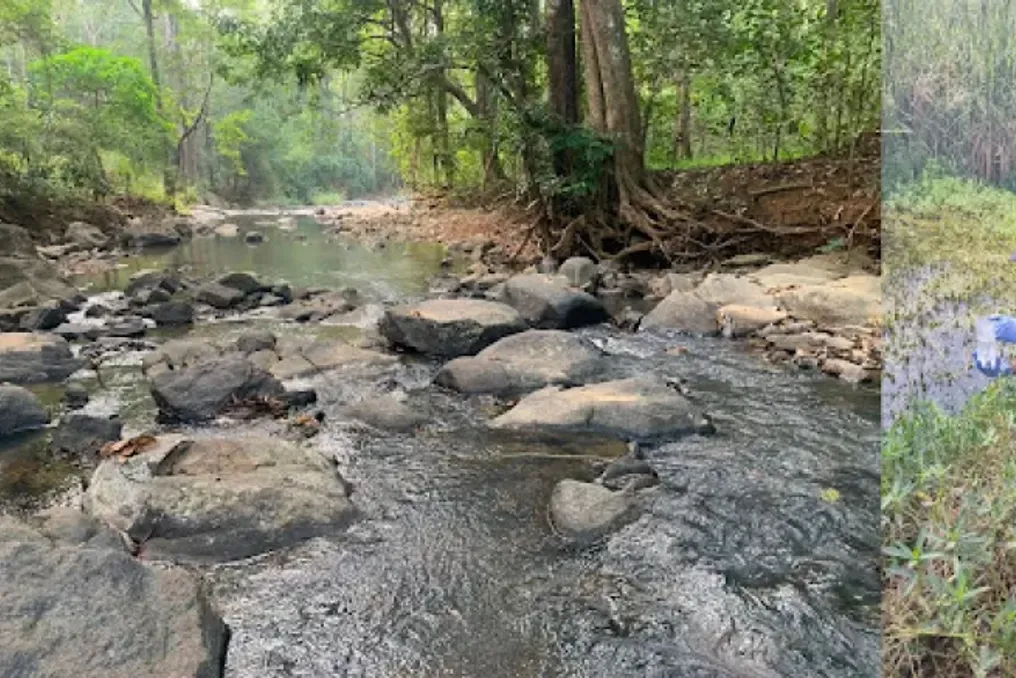
The Colônia Crater, situated in Parelheiros, has an approximate diameter of 3.6 kilometers and contains the Vargem Grande neighborhood. Although the structure was detected by aerial images in the 1960s and has been under study for over sixty years, the new work published in April in the scientific journal Earth and Planetary Science strengthens the theory that the crater was formed by an asteroid collision.
Among the discovered characteristics are the so-called planar deformation features, or PDFs. These are microscopic structures generated by the propagation of shock waves through the mineral. Victor Velázquez Fernandez, a professor at the School of Arts, Sciences and Humanities (EACH) at USP and author of the study, explains that PDFs function as a characteristic signature of impacts capable of creating craters on the Earth's surface.
Additionally, scientists observed other modifications in the crystals, such as recrystallization, crystallographic disorientation, disturbances in growth zones, and granular textures. The phenomenon known as shock metamorphism occurs when a rock or mineral is exposed to extremely high pressure in a very short period, a condition often caused by an asteroid colliding with the Earth's surface.
This impact releases a vast amount of energy, generating shock waves that travel through rocks near the point of collision. Such waves have the power to alter the composition of minerals, leaving microscopic marks that persist for millions of years. Zircon is particularly valuable in this type of investigation due to its great resistance, allowing the preservation of geological information even after weathering and transformations over time.
Thus, the detection of these deformations in the grains offers direct mineralogical proof that the rocks of the Colônia Crater underwent the extreme conditions typical of an impact. Although previous research already pointed to signs of impact—including deformations in quartz and mica, as well as spherules and rocks linked to the event—the contribution of USP lies in adding evidence of shock metamorphism preserved in zircon crystals, reinforcing that the formation did not result from common geological processes, such as regional tectonic deformations.
The Colônia Crater is a circular depression with approximately 3.6 kilometers in diameter. The area was listed by Condephaat in 2003 and designated a Geological Monument in 2009. Currently, part of this formation is inhabited by the Vargem Grande neighborhood, characterized by green areas, roads with different slopes, and residences located within the circular structure of the crater.
Long-time residents testify to the growth of the neighborhood and have lived for decades with the narrative that their homes are situated within a structure originated by an extraterrestrial event. Ozéias de Freitas Ramos, a visual artist who has lived in the area since childhood, told g1 that his family moved to the neighborhood in the 1980s. He expressed pride in the confirmation of the formation's origin, although he still pointed out challenges regarding infrastructure, environment, and availability of cultural equipment.
The region also hosts the Joaquim Fonseca Lopes Penitentiary, inaugurated in 2009 on an area of approximately eight thousand square meters, which, according to data from the Penitentiary Administration Secretariat, houses 1,451 inmates in closed regime.
The name of the formation derives from Colônia Paulista, a neighboring neighborhood that served as the initial reference for early researchers of the structure. Geographer Rodrigo Martins clarifies that the area was originally known as Colônia Alemã, a settlement linked to a foreign colonization project in Brazil during the imperial period. During World War II, the name was changed to Colônia Paulista due to nomenclature changes related to Germany, and the geological formation adopted the name of the neighborhood used as a reference.
The Earth Impact Database catalogs confirmed impact structures globally, currently containing 190 records. In Brazil, eight impact structures are considered confirmed, with Colônia being one of only two inhabited craters on the planet; the other is the Ries Crater in Germany, which covers about 24 kilometers in diameter and has over one hundred thousand inhabitants.
In summary, this new research not only corroborates the extraterrestrial origin of the Colônia Crater but also demonstrates the capacity of microscopic minerals to preserve evidence of remote events in geological time, even after urban development over the structure.