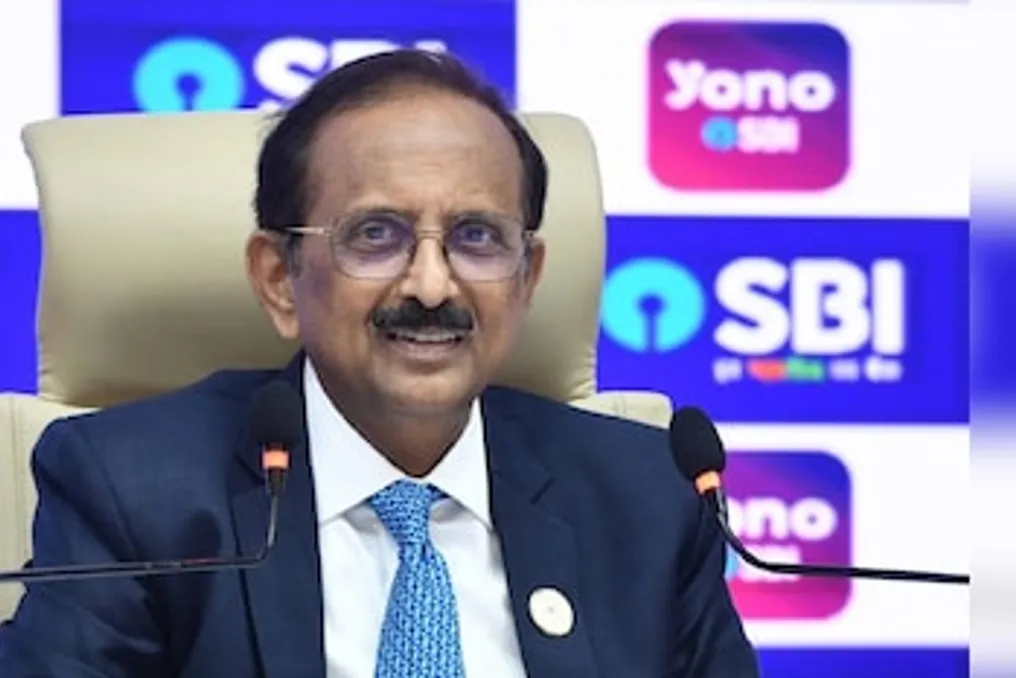
The Chairman of the State Bank of India (SBI), C. S. Sethi, noted on Friday that the country's largest lender may have missed an opportunity in the digital payments sector because the PhonePe and Google Pay applications, supported by Walmart, have already captured a dominant share of the Unified Payments Interface (UPI) market.
During a press briefing following the bank's results announcement, Sethi emphasized that even for a lender of SBI's scale, it will be difficult to catch up with these established players despite efforts to develop its own digital ecosystem through YONO. He stated: 'I think we definitely missed the payments bus, and it is too late to make up for lost time. Through YONO Pay, we are trying to attract at least our loyal customers to use the platform, and we are seeing a good response. But we are far from the players you mentioned. I do not think any bank can achieve the volumes they have built.'
These comments came in response to a question about why banks like SBI have ceded ground to UPI applications such as PhonePe and Google Pay. According to data from the National Payments Corporation of India, PhonePe and Google Pay together account for nearly 80 percent of UPI transactions by volume. In contrast, the SBI application ranked 19th among UPI apps, processing just over 23 million transactions worth approximately 600 billion rupees in a month.
Recently, the Lok Sabha passed the Taxation and Other Laws (Amendment) Bill 2026, which amended the Payment and Settlement Systems Act of 2007. This granted the government the authority to decide which digital payment tools should remain free and which may be subject to charges. This change replaces the existing mechanism tied to the Income Tax Act of 2025, paving the way for the government to introduce a Merchant Discount Rate (MDR) for UPI transactions in the future.
Sethi added that it is necessary to monitor the details and whether the government will utilize the powers granted in the Act. He noted: 'For now, it is only a permissive provision. We will have to wait and see what the final structure looks like.'
This week, Reserve Bank of India (RBI) Governor Sanjay Malhotra stated that discussions on the structure of a potential MDR for UPI are still premature, adding that continuous investment is necessary to further strengthen the real-time payment system.
MDR is a commission paid by the merchant for accepting digital payments. This commission is charged as a percentage of the transaction amount, while customers do not pay anything extra. The commission is distributed among the entities that facilitate the transaction.