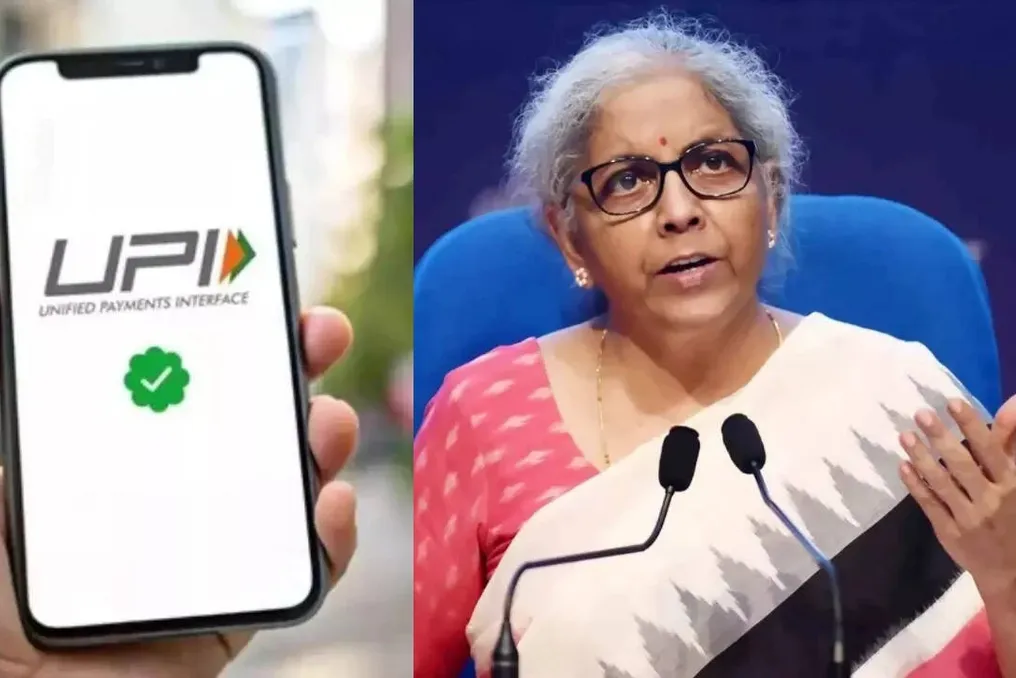
The Payments Council of India (PCI) supported the possibility of introducing a Merchant Discount Rate (MDR) for the Unified Payments Interface (UPI), emphasizing that continuous investment is required to ensure the reliability of the fast payment system.
PCI, an association of digital payment companies in India, announced that small traders will not be obliged to pay MDR for accepting payments via UPI, and consumers will continue to use the system free of charge.
In its post on X, PCI noted that as the ecosystem expands, discussions are underway on how to sustainably support the infrastructure that facilitates billions of secure transactions monthly while maintaining protection for consumers and small businesses.
Furthermore, PCI clarified that customers should not pay any fees for transactions made at large merchants. The agency explained that any merchant service charges are commercial agreements between merchants and payment service providers, which is a standard feature of the global digital payments ecosystem.
UPI was launched in 2016. Since then, ecosystem participants, including banks, fintech companies, the National Payments Corporation of India (NPCI), and the Reserve Bank of India (RBI), have invested in technology, cybersecurity, fraud prevention, innovation, and customer support to create one of the safest and most reliable payment systems in the world.
The association stated that the functioning of the national payment infrastructure requires constant investment in technology, fraud prevention, cybersecurity, compliance, customer support, and innovation. These costs are currently covered by ecosystem participants, such as banks and payment service providers, who continue to invest for a safe, reliable, and seamless payment experience for consumers.
In July, UPI registered 23.65 billion transactions worth ₹29.87 trillion, surpassing the figure of 20 billion transactions worth ₹24.85 trillion in July 2025.
The Taxation and Other Laws Bill (amendments) 2026 was passed by Lok Sabha on Thursday. This bill amends the Payment and Settlement Systems Act of 2007, giving the government the power to decide which digital payment methods remain free and which may be subject to charges. It replaces the current mechanism tied to the Income Tax Act of 2025, potentially paving the way for MDR on UPI transactions.
However, the introduction of MDR on UPI is unlikely in the near future. Reserve Bank of India Governor Sanjay Malhotra stated on Wednesday that discussions on the structure of a potential MDR for UPI are still premature, adding that further investments are needed to strengthen the fast payment system.