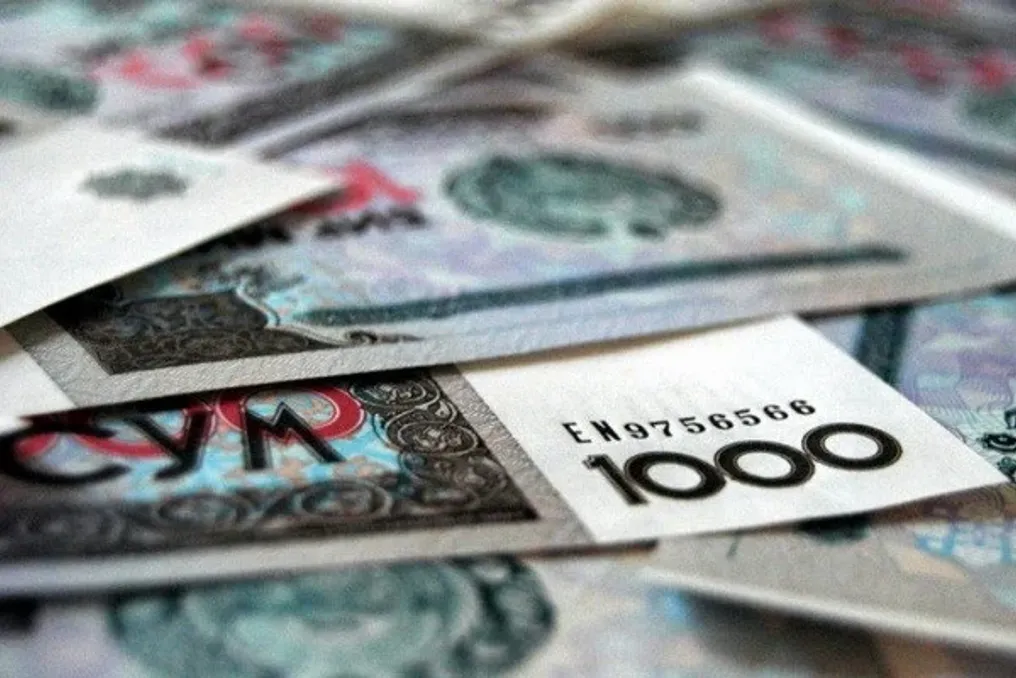
In the first half of 2026, Uzbekistan's state procurement structures concluded 1,099,305 contracts totaling 188.4 trillion soms.
In the first half of 2026, Uzbekistan's state procurement structures concluded 1,099,305 contracts totaling 188.4 trillion soms.
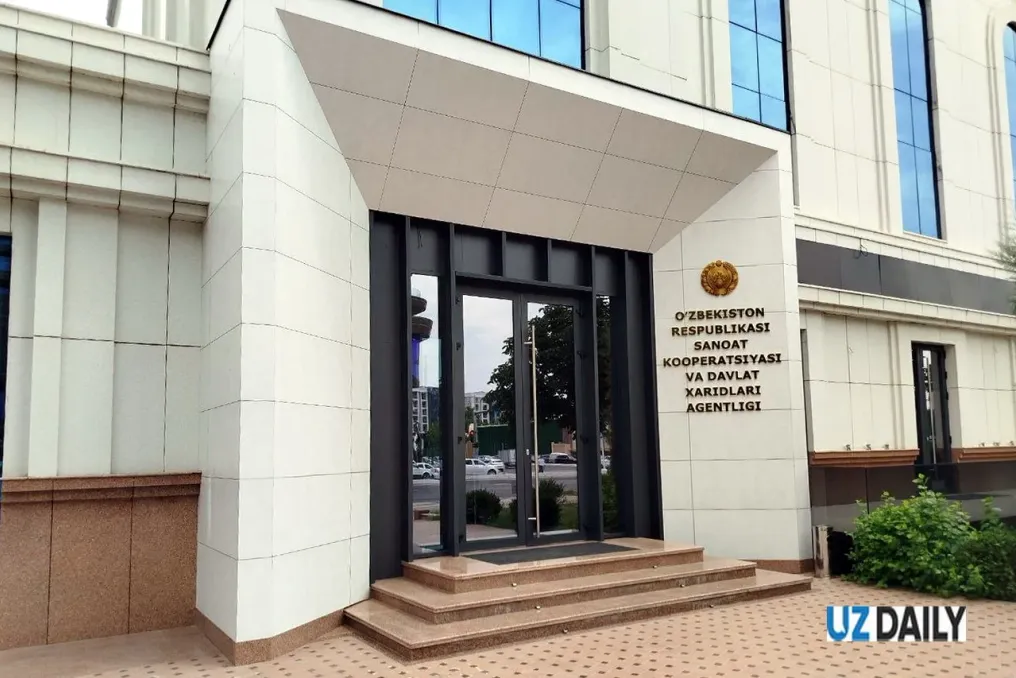
According to data from the Agency for Industrial Cooperation and State Procurement, the analysis and optimization of procurement procedures allowed for budget savings amounting to 7.2 trillion soms.
Tashkent took the leading position in state procurement, receiving the largest share—77.7 trillion soms, which accounts for 41% of the total volume. The second most significant region is Navoi, where procurement volume reached 34.3 trillion soms (18% of the total amount). The third place was held by the Tashkent region with a figure of 17.2 trillion soms, or 9%.
Among organizations funded from the budget, the Ministry of Preschool and School Education led the list, awarding contracts worth 13.45 trillion soms. It was followed by the Ministry of Transport with purchases of 10.98 trillion soms and the Ministry of Water Resources with an amount of 7.01 trillion soms.
In the corporate buyer sector, Navoi Mining and Metallurgical Company JSC demonstrated the largest procurement volume, with purchases amounting to 21.78 trillion soms. Other major corporate buyers included Almalyk Mining and Metallurgical Company JSC with purchases of 8.42 trillion soms, Uzbekneftegaz JSC with 6.47 trillion soms, and Navoiyuran JSC with 5.82 trillion soms.
According to data from the National Statistical Committee, the volume of communication and information services in Uzbekistan for the period from January to June 2026 amounted to 51.9 trillion soms. This indicator shows a growth of 22.1 percent compared to the same period last year.
The largest share in the total volume was occupied by computer programming services, which reached 25.1 trillion soms over the reporting six months. In addition, the volume of telecommunication services amounted to 14 trillion soms, and general information services reached 8.6 trillion soms.
The remaining types of communication and information services recorded a volume of 4.3 trillion soms during the reporting period.
According to data on the efficiency of the banking sector, the total assets of commercial banks in Uzbekistan reached 1,005.8 trillion soums as of July 1, 2026. This figure demonstrates an 18% growth compared to 852.2 trillion soums recorded on the same day in 2025.
During the reporting period, the banks' loan portfolio increased by 12%, amounting to 642.8 trillion soums. Deposits showed a more significant growth—33%, reaching 473.8 trillion soums, while total capital grew by 19% to 148.9 trillion soums.
The asset structure underwent changes: the share of foreign currency in total assets decreased from 40% to 35%, and in loans—from 42% to 39%, and in deposits—from 24% to 19%. The increase in the share of figures denominated in soums relative to foreign currency data indicates the activation of operations in the national currency.
State banks maintain a dominant position in the financial system, controlling 62% of assets, 66% of loans, 58% of capital, and 52% of deposits. The National Bank of Uzbekistan (NBU) remains the country's largest bank with assets of 146.5 trillion soums, accounting for 15% of the market. It is followed by Agrobank with 118.4 trillion soums (12%) and Uzpromstroybank with 108.5 trillion soums (11%).
Among the other banks, Asaka Bank leads in assets with 62.5 trillion soums, followed by Xalq Bank (57.8 trillion soums), Business Development Bank (41.2 trillion soums), Aloqabank (36.7 trillion soums), Microcreditbank (34.4 trillion soums), and Turon Bank (22 trillion soums). Among non-state-owned banks, Kapitalbank leads with assets of 62.7 trillion soums, followed by Ipoteka-bank with 56.7 trillion soums.
Kapitalbank ranks third in terms of deposit volume in the country, having collected 47.3 trillion soums, trailing only NBU and Agrobank. Octobank, with relatively modest assets of 16.5 trillion soums, holds deposits of 14.8 trillion soums, which almost covers its entire balance and indicates a deposit-oriented business model.
Retail clients remain the segment with the largest volume of borrowers. Lending to individuals grew by 20%, increasing from 196.9 trillion to 235.9 trillion soums, raising their share in the total loan portfolio from 34% to 37%, making it the largest borrower category. Industrial lending decreased by 13%, falling from 157.6 trillion to 137.6 trillion soums, and the industry's share dropped from 27% to 21%. Industry became the only major sector to record an absolute decrease, alongside housing construction and utilities, which fell by 8% to 1.9 trillion soums.
Lending in trade and public services increased by 23%, reaching 49.3 trillion soums. Construction showed a growth of 37%, amounting to 20.9 trillion soums, while agriculture grew by 14% to 66.3 trillion soums. The 'other sectors' category increased by 36%, reaching 92.4 trillion soums. Lending to transport and communications remained virtually unchanged, showing only a 1% growth to 33.9 trillion soums.
Of the total loan portfolio of 642.8 trillion soums as of July 1, 2026, retail loans accounted for 235.9 trillion soums (37%), while corporate loans made up 406.9 trillion soums (63%). Ipoteka-bank became the largest lender to retail clients, issuing individual loans totaling 29.5 trillion soums, and Xalq Bank took second place with 25.5 trillion soums. NBU continues to be the largest corporate lender, providing 83.6 trillion soums in loans to legal entities.
Regarding deposits, Kapitalbank leads in retail deposits with an amount of 28.1 trillion soums, higher than any other bank in the country, including the largest state institutions. NBU is the largest holder of corporate deposits, accumulating 39.4 trillion soums.
According to the Central Bank, the total assets of the banking system of Uzbekistan reached 1,005.8 trillion soums as of July 1, 2026. This figure demonstrates an 18% growth compared to the same period last year.
The regulator reported that the total volume of the banks' loan portfolio increased by 12% year-on-year, amounting to 642.8 trillion soums. Meanwhile, the aggregate capital of the banking system grew by 19%, reaching 148.9 trillion soums.
Deposits showed the most significant increase. Their total volume increased by 118 trillion soums over the year, reaching 473.8 trillion soums, which corresponds to an annual growth of 33%. The Central Bank attributed this dynamic to increased demand from both households and enterprises for bank products in deposits and loans.
At the same time, the regulator noted a further decrease in the share of foreign currency across key indicators of the banking sector. The share of assets denominated in foreign currency decreased from 40% to 35%. Similarly, the share of loans in foreign currency decreased from 42% to 39%, and the share of deposits in foreign currency reduced from 24% to 19%.