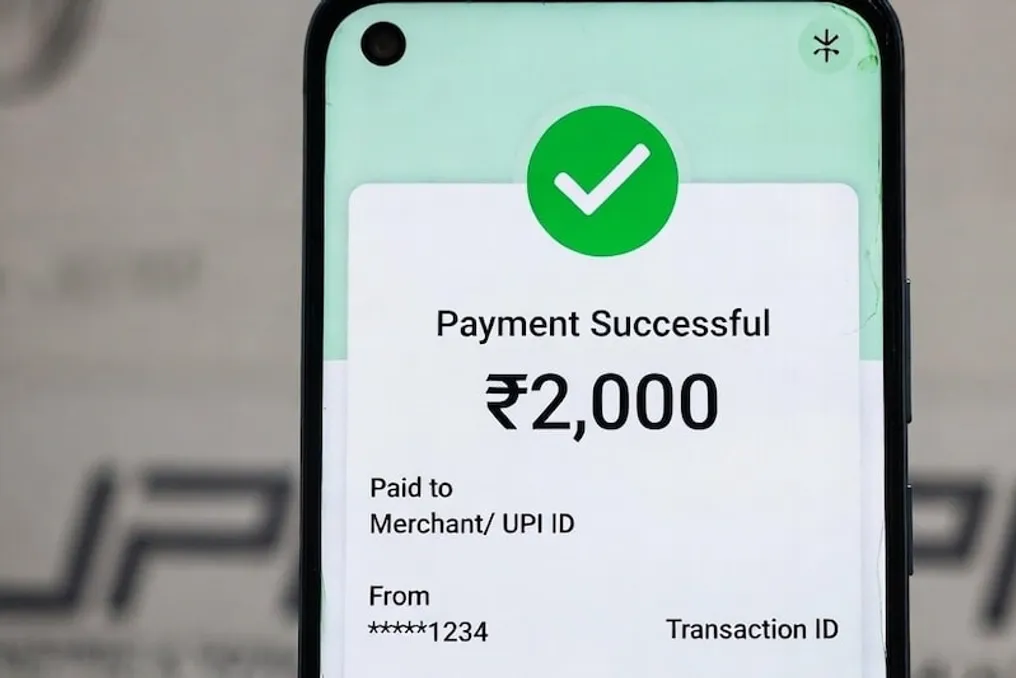
The Global Trade Research Initiative (GTRI) economic analytical center emphasized that India should not be subjected to external pressure regarding its digital payment system. According to GTRI data, Indian payment systems such as UPI and RuPay have significantly increased the level of digital transactions in the country. Therefore, in the center's opinion, changing the existing system to accommodate the interests of foreign companies would be inappropriate.
This statement came amid the passage of a bill in the Lok Sabha that amends the Payment and Settlement Systems Act of 2007. Following this change, the central government will gain the right to determine which electronic payment methods will be subject to fees and which will remain free. Currently, no merchant discount rate (MDR) is charged to customers or merchants for transactions through UPI and RuPay using debit cards. This zero-MDR model has played a key role in accelerating the adoption of digital payments among small vendors, street hawkers, and ordinary consumers.
GTRI's Position Against Levying Fees on UPI
GTRI notes that maintaining the UPI network requires constant expenditure for cybersecurity, server capacity, fraud prevention, and dispute resolution. While a sustainable funding model may be necessary for this, it does not automatically mean introducing an MDR for all merchants. The analytical center suggested considering alternative options, such as budgetary support from the government, introducing limited charges for large commercial operations, or applying fees only to large enterprises.
Questions Regarding UPI and RuPay in the American Report
In its report, GTRI referenced the U.S. Trade Representative's (USTR) National Trade Assessment for 2026. This document criticized both the Indian UPI and RuPay systems and the Brazilian Pix system. The U.S. claims that such domestic digital payment systems do not provide equal opportunities to foreign payment companies. Nevertheless, GTRI believes that India should not make its policy decisions based on U.S. trade complaints.
Significant Presence of American Companies
GTRI also pointed out that the share of American companies in the Indian digital payments market is already quite significant. PhonePe, owned by Google Pay and Walmart, processes over 80 percent of UPI transactions in the country. The center believes that the assertion that foreign companies do not have access to the Indian payment market is incorrect.
Recommendation on Data Localization
GTRI supports India's data localization rules. According to these rules, payment-related data is extremely sensitive and important. Storing such data within India helps regulators in investigating fraud, strengthening cybersecurity, and matters of national security.
GTRI's Advice
GTRI founder Ajay Srivastava stated that the decision to introduce any charges for UPI should be based on the actual costs of the system and its long-term needs, rather than on the complaints or pressure from foreign companies. He is convinced that India must protect the competitiveness, political independence, and long-term stability of its digital payment system, as UPI has become one of the most vital foundations of the country's digital economy.