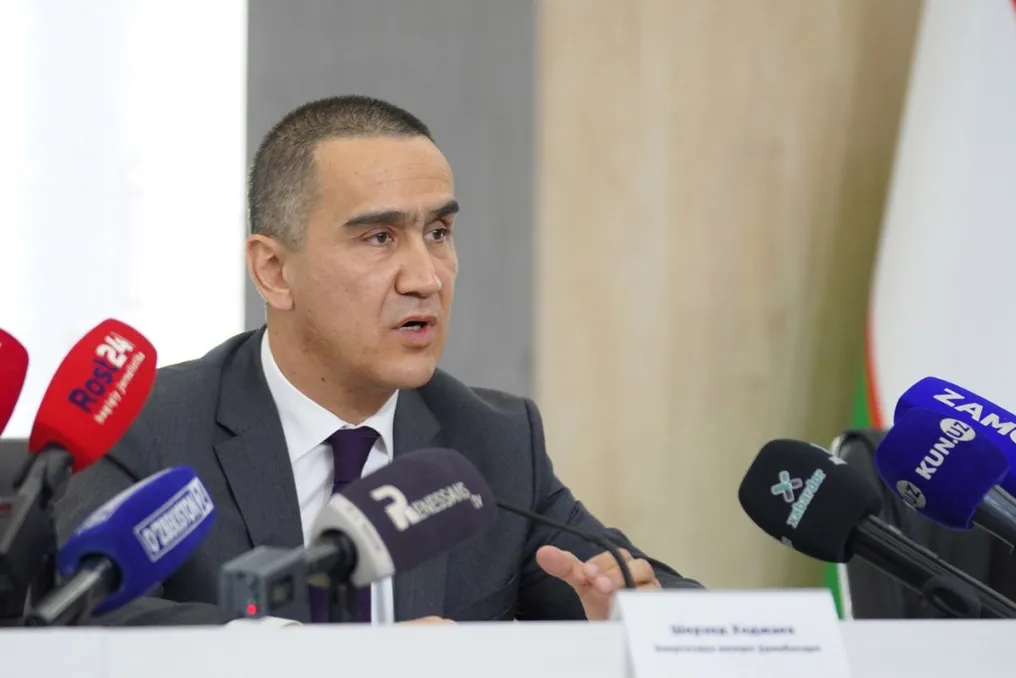
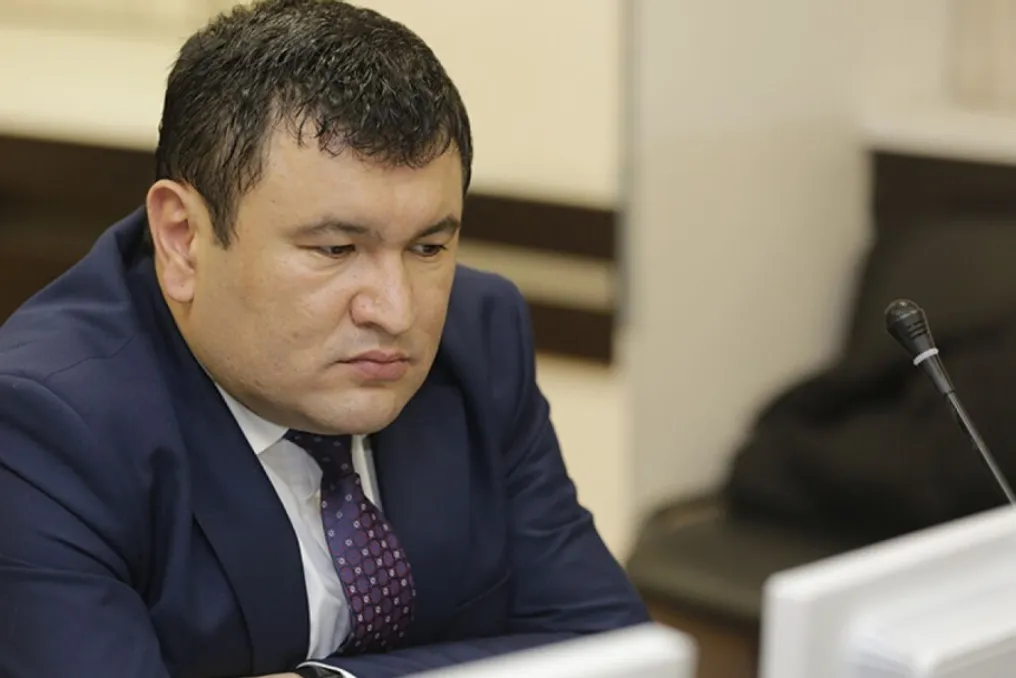
Jurabek Mirzamakhmudov left his post as the head of the Ministry of Energy of Uzbekistan after nearly four years of service. He was replaced by Sherzod Khodjayev, the former director of the Agency for Development and Regulation of the Energy Market. President Shavkat Mirziyoyev noted significant shortcomings in the functioning of the fuel and energy complex. The change in leadership occurred against a backdrop of numerous industry problems, including a major energy crisis in the winter of 2023, constant power supply outages, high loads on the energy system, as well as the fight against corruption and embezzlement.
First Challenges in 2022
Mirzamakhmudov began leading the Ministry of Energy in September 2022, transitioning from the position of general director of the Atomic Energy Development Agency. Within the first months of his tenure, the country faced serious difficulties. As winter approached, there was a shortage of natural gas for thermal power plants, which provide about 90% of electricity generation. This forced the energy system to operate under increased load, and starting in November 2022, residents in several regions began experiencing power interruptions.
To prevent a failure in the Central Asian unified power system, the National Dispatch Center required regional energy companies to reduce consumption. The Ministry of Energy leadership attributed this to gas shortages. At that time, Deputy Minister Sherzod Khodjayev asserted that the outages were a forced measure due to insufficient generating capacity: when 245 million kWh was needed, stations only produced 230–232 million kWh. Khodjayev insisted that planned outages should not exceed one hour per day, and violators would be punished. The Ministry of Energy also introduced saving measures by restricting street lighting and advertising LED screens.
Minister Jurabek Mirzamakhmudov later confirmed that the restrictions were necessary, as abandoning them could lead to even worse consequences for the energy system, explaining this by the abnormally high seasonal demand. Nevertheless, this first winter demonstrated the system's unpreparedness for peak loads, leading to mass outages and the beginning of a prolonged crisis.
Deterioration of the Situation in 2023
The situation worsened in January 2023 due to abnormal cold weather, with temperatures dropping to 20 degrees below zero in some places. Record consumption of gas and electricity led to prolonged interruptions in the supply of electricity, heat, and gas. Residents were left without basic services for hours or even days.
Numerous complaints about multi-day outages were recorded in Tashkent: in the Yunusabad district, the lights could be out for more than a day, and heating and gas were also restricted. Similar problems were observed in the Mirabad district, where residents could not contact emergency services. People were forced to seek warmth by fires or move to places where electricity was still available. The problem affected not only the periphery but also the central districts of the capital.
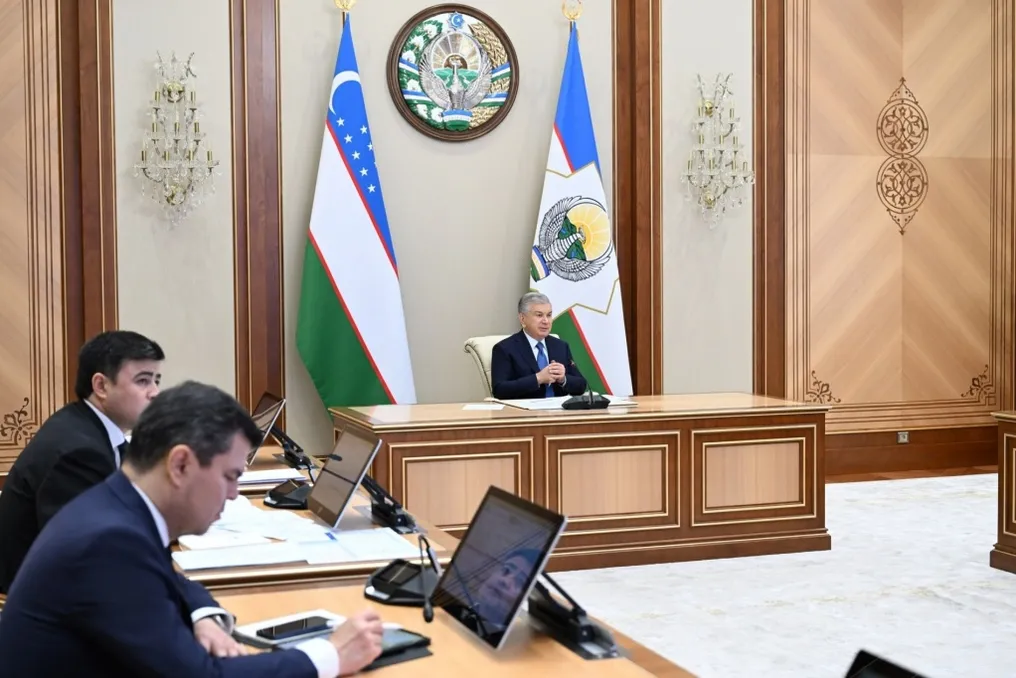
At an emergency meeting on January 16, 2023, President Mirziyoyev sharply criticized the work of the energy sector and dismissed several officials: the Hokim of Tashkent, Jakhongir Artykhodjaev; the head of 'Thermal Power Plants', Farhod Abdurakhmanov; Deputy Minister of Energy Sherzod Khodjayev; as well as the heads of 'Regional Power Grids', Ulugbek Mustafayev; 'Uztransgaz', Behzot Normatov; and 'Uzbekneftegaz', Mehriddin Abdullaev. Minister Mirzamakhmudov himself retained his position. The hokims of Samarkand, Namangan, Fergana, Gulistan, and Chirchik were also criticized.
Management Problems and Embezzlement
The period of 2023–2024 was marked by the authorities shifting focus to the problem of mass theft of energy resources. After the January crisis, President Shavkat Mirziyoyev held a meeting, noting that the cold weather revealed not only the weakness of the energy system but also management and control errors. Despite statements about implementing automated metering systems, accounts receivable debt grew, and new consumers connected without proper calculations, leading to the failure of transformer substations in Tashkent.
Particular attention was paid to theft. In December 2022 alone, over 12 thousand cases of illegal consumption of gas and electricity amounting to almost 600 billion soms were identified. The President instructed strengthening energy supervision, reforming the 'Uzenergy Inspection', and tightening control over grid connections. However, solving the problem took time: by the end of 2024, the 'Uzenergy Inspection' reported thefts amounting to 1.4 trillion soms, the revocation of licenses from 51 AGNKC, and the discovery of 91 underground mining farm.
Return of Problems in 2025
Despite efforts to restore order, problems reappeared in 2025. In June 2025, a transmission line accident in Kazakhstan caused frequency fluctuations in the Central Asian unified power system, requiring Uzbek energy specialists to implement short-term restrictions in several regions.
In the summer of 2025, Tashkent residents complained en masse about regular outages, voltage surges, and lack of information. Problems were recorded in various districts, from Chilanzar to Yunusabad, even after network modernization. Infrastructure failures, such as at the Almazar substation 'Sokin' on June 17, left thousands without power. In local grids, the cause was cited as abnormal heat and increased load from air conditioners, once again calling into question the infrastructure's readiness for seasonal peaks.
At the end of July 2025, power interruptions and voltage drops occurred in Tashkent. The General Prosecutor's Office took control of the situation. Saiyor Abdikarimov, Deputy Chairman of the Senate Committee, requested explanations from Minister Jurabek Mirzamakhmudov. Following the investigation, 28 responsible individuals, including the head of GUP 'Tashkent Electric Networks' and the heads of 11 district energy companies, were subjected to disciplinary action. In December 2025, the Ministry of Energy admitted that it failed to timely inform the public about accidents, regardless of weather conditions.
Challenges of 2026
In 2026, the main difficulties began with ensuring gas supply during the cold season. In March, due to falling temperatures and rising demand, the operation of AGNKC was temporarily restricted to redistribute resources and ensure stable gas supply. After stabilizing the gas situation, attention returned to the reliability of power grids in conditions of intense heat. In the summer of 2026, temperatures reached 46–48 degrees in some regions, causing a sharp increase in consumption.
On July 16, a historical maximum daily consumption was recorded in the Unified Energy System of Uzbekistan. Energy specialists warned of possible temporary restrictions in Kashkadaryo, Jizzakh, Khorezm, and Tashkent regions, while over 200 reports of outages were registered in Tashkent. By July 17, President Shavkat Mirziyoyev was informed that 39,220 citizen appeals had been received in the first half of 2026, which, although 26.1% less than the previous year, still indicated the need to eliminate specific deficiencies.