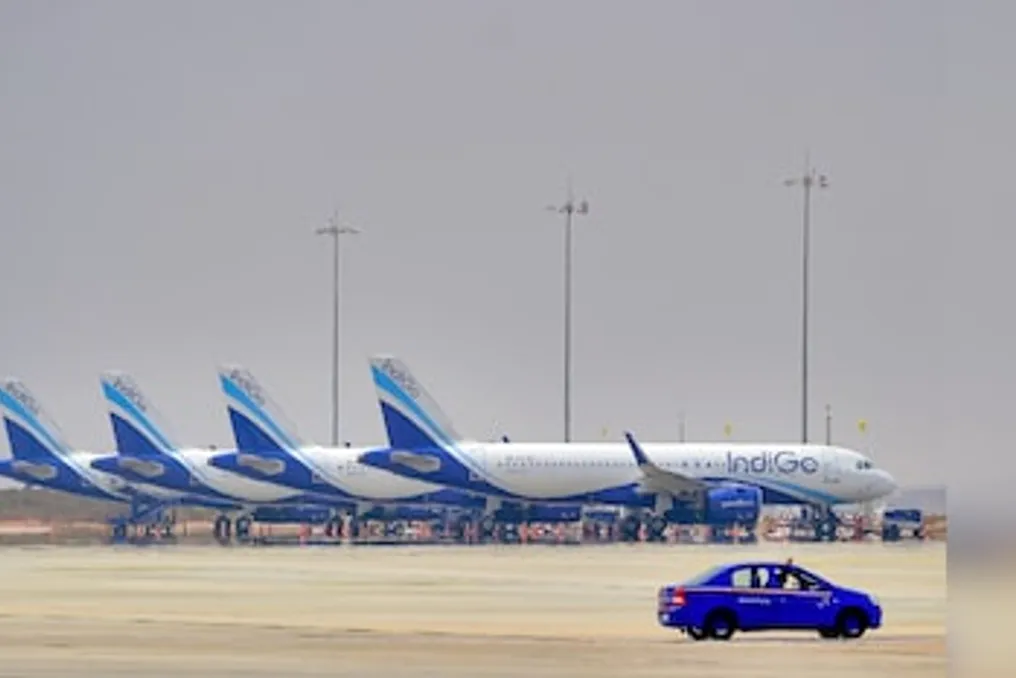
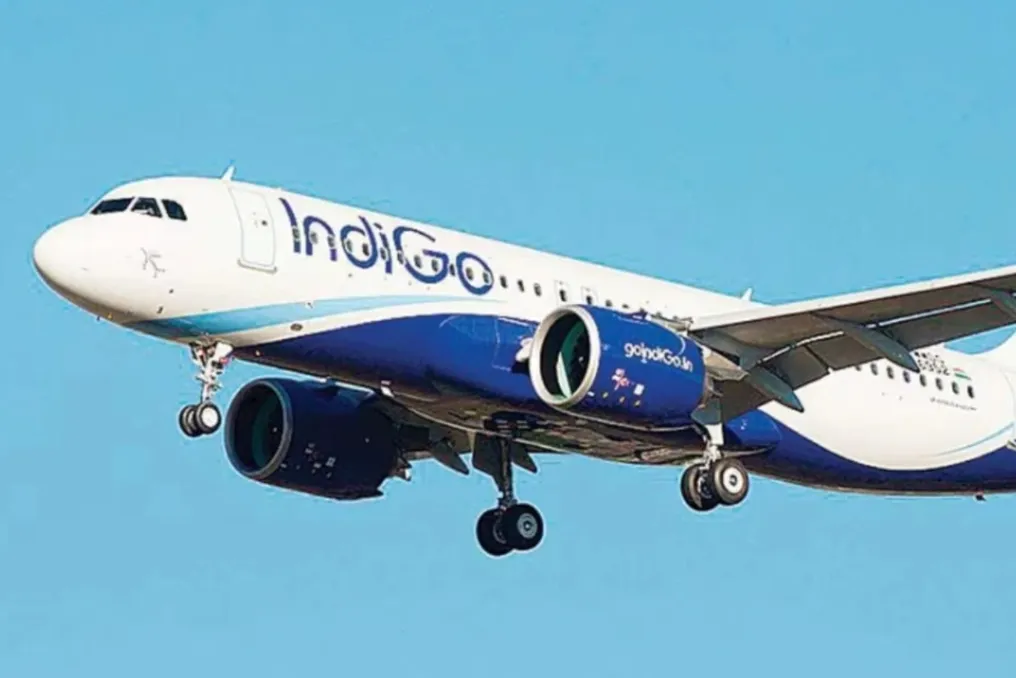
IndiGo, the country's largest airline with over 66 percent of the domestic market share, is preparing for ambitious international expansion in celebration of its twentieth anniversary. The company plans to introduce Airbus A321 XLR aircraft before receiving wide-body A350s, which are expected from 2028.
To mark its 20th anniversary, which falls on August 4, IndiGo, which has transformed air travel in India, is preparing for a 'longer flight' to connect the Indian diaspora worldwide with their homeland, bring back international traffic currently passing through Persian Gulf hubs, and in the long term, transport passengers between foreign countries via India.
IndiGo's Managing Director, Rahul Bhatia, stated in an interview with PTI that thanks to its extensive domestic network, IndiGo is ready for this 'longer flight,' utilizing A321 XLR aircraft, and subsequently A350s to connect more international destinations.
However, Bhatia, who is also a co-founder of IndiGo, noted that the company is still far from being a global carrier. He emphasized that the core of the company remains its domestic network. Although the company recently expanded its international network and uses leased Boeing 787 aircraft from Norse Atlantic Airways, some international flights have been reduced due to the conflict in the Middle East and airspace restrictions.
Given the complex operating environment due to ongoing geopolitical tensions, the airline announced last week the cessation of wide-body operations from October 25 and the completion of the Boeing 787 lease agreement by October 31.
Long-haul strategy
Bhatia clarified that IndiGo's long-haul strategy will primarily focus on serving Indian travelers and the global Indian diaspora. He explained that when undertaking longer flights, the airline will bring Indians to markets around the world and welcome the large Indian diaspora living globally into India.
He also noted that Persian Gulf carriers have captured a significant portion of international traffic from India over the past decade, routing passengers through their hubs, which has led to the outflow of India's economic value abroad. Bhatia stated that it is the responsibility of airlines like IndiGo and Air India to bring back this economic wealth and allow Indian carriers to transport Indian customers globally.
Despite mentioning the possibility of connecting international passengers through India, he stressed that this will remain a secondary business, unlike the hub models of Persian Gulf carriers, as there remains significant untapped domestic demand in India.
History of growth and discipline
The company's ambitions stem from a simple premise: IndiGo began operations on August 4, 2006, with a small fleet of Airbus A320 aircraft, launching flights between Delhi, Guwahati, and Imphal before expanding to 13 destinations in the first year. The company's model was built on four principles: low fares, adherence to schedule, polite and hassle-free service, and a clean flying experience, which allowed it to maintain low costs and high reliability through a single-type aircraft strategy.
This discipline quickly led IndiGo to become India's largest airline by market share by the 2016 fiscal year, with 35 domestic and five international destinations. Between 2016 and 2023, the network grew from 35 to over 85 domestic destinations, international routes expanded to the Middle East, Southeast Asia, and the SAARC region, and annual passenger traffic exceeded 100 million.
In 2023, the airline placed one of the world's largest aircraft orders—500 Airbus A320 family aircraft—and announced its intention to double its size by the 2030 fiscal year, laying the foundation for its current push into the long-haul segment.
Despite the scale, Bhatia cautiously assessed the current situation. He emphasized that the focus on cost remains the primary driver of IndiGo's success, as losing control over this is the beginning of the end. The company's philosophy is based on cost leadership, which allows it to offer affordable fares to consumers.
New leadership phase
The anniversary also marks a change in leadership. Willy Walsh, an experienced aviation industry executive who left his post as CEO of the International Air Transport Association on July 31, was appointed CEO of IndiGo on August 3. Bhatia described Walsh as perfectly suited for this moment, noting his deep operational expertise gained from starting his career as a pilot.
Bhatia noted that Walsh's experience, covering both low-cost and full-service carriers, makes him particularly suitable for shaping IndiGo's international development. He also mentioned that compensation has never been an obstacle in negotiations during his hiring.
Future fleet planning
Even while developing the current fleet plan up to 2035, IndiGo keeps another major order in reserve, which Bhatia attributes to strategic patience. He stated that they are waiting for the next generation of aircraft to make a decision about the company's future. The airline has already doubled its order for the A350-900 from 30 to 60 units with an option for 40 additional, and deliveries will begin in 2028.
Bhatia links the final decision on new orders to the airline's commitment to efficiency and environmental performance. More than four-fifths of its aircraft are next-generation models, which are 15 percent more fuel-efficient than previous ones, and greenhouse gas emissions intensity has decreased by almost 19 percent from the 2016 baseline.