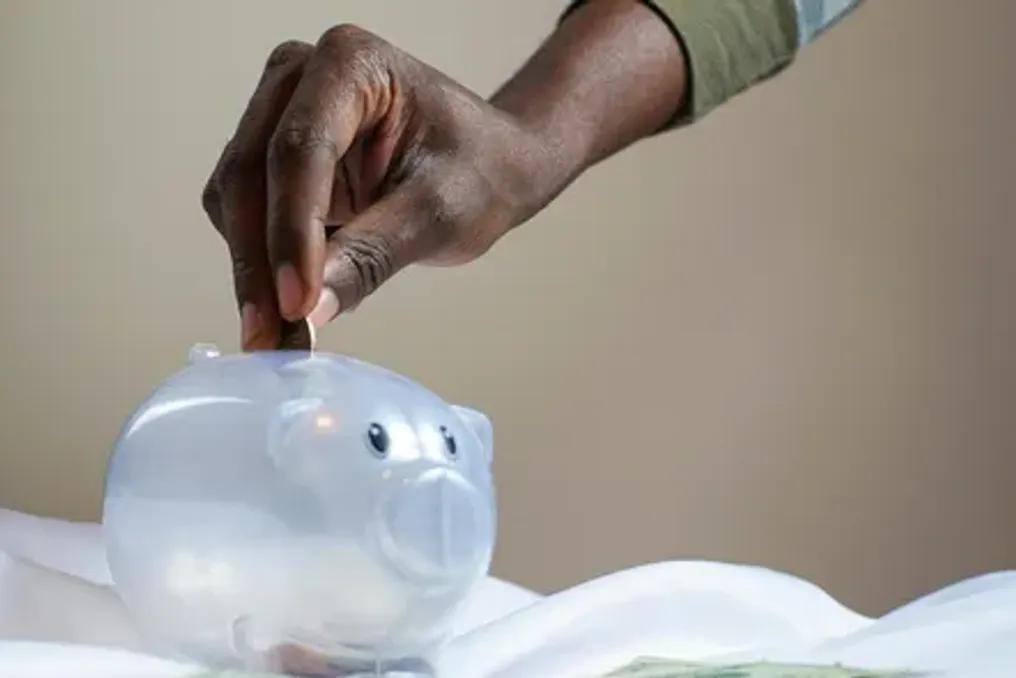
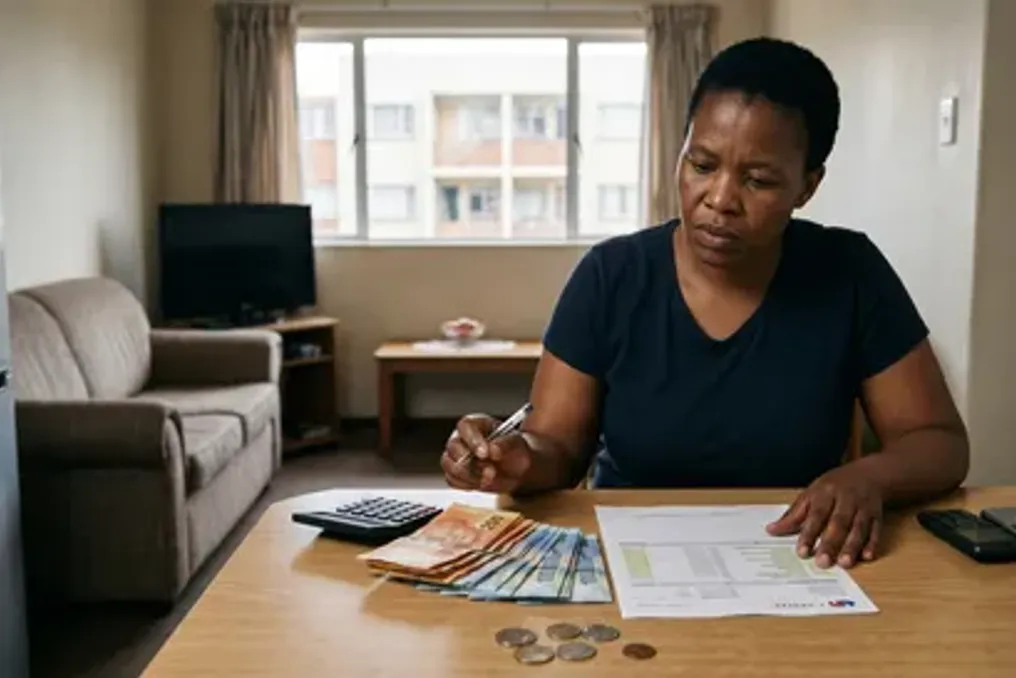
Every July marks Savings Month, which encourages South Africans to increase their future savings. This year, the focus should be on the importance of preserving existing savings and the dangers of prematurely withdrawing funds from a pension fund.
Savings Month annually calls on South African citizens to consider saving more money. However, this year, attention should be drawn to a less discussed topic—the already accumulated funds and the real danger of spending them too early.
The Two 'Bucket' System
If you are a member of your employer's pension fund, you have likely heard about the two 'bucket' system for retirement. Starting in September 2024, your pension contributions are divided into two parts: a pension component that cannot be accessed before retirement, and a savings component that can be used once a year in amounts of at least R2,000. This system was created as a safeguard for genuine financial emergencies, and for many people, it served precisely that purpose.
The Savings Fund is Not an Expense Fund
Nevertheless, an honest conversation must take place. The fact that you can access the savings component does not mean you should. It should be viewed more as a fire extinguisher intended for emergencies, rather than for daily use. The problem is that life presents us with many situations that seem urgent but are not—for example, a long-planned vacation, a car upgrade, or unexpected school fees. Although all these circumstances are real, using pension savings to cover them is like using a fire extinguisher to cool coffee: it works, but then you won't have it when you truly need it.
Financial Calculations and Consequences
It is important to look at specific figures. Imagine you have 15 years until retirement, and you withdraw R50,000 from the savings component today. Although the amount seems manageable, if those R50,000 remained in the pension fund and grew at an average annual return of 10%, by the time of retirement they would be worth approximately R209,000. Thus, you are not just spending R50,000, but effectively R209,000 of your future self's money.
The Double Whammy at Retirement
The most unexpected aspect is the double whammy at retirement. Many count on receiving a portion of their pension savings as a lump sum, which they use to pay off a mortgage, clear a car loan, or cover large expenses upon leaving work. This is a moment of significant financial relief, and many pension plans were built with this in mind. However, your savings component is that lump sum. If you withdraw funds from it before retirement, you are not just reducing your monthly pension income; you are spending the cash amount you planned to have on the day of retirement. Thus, the R50,000 you need today could have turned into R209,000 at retirement, ready to cover part of the debt and ensure a clean start to retirement. Instead, those funds disappear, and your future self is left without them.
When You Have to Choose
It must be acknowledged that sometimes life truly leaves no other choice. Job loss, a medical emergency, or a family crisis are real events, and the savings component exists precisely for such moments. There is no shame in using it when absolutely necessary. But before making such a decision, ask yourself a series of honest questions: have you considered temporarily cutting back on expenses? Can a short-term personal loan cover the gap, which can be repaid in a few months without touching pension savings? Is there support from family, employer, or community funds? And have you consulted a financial advisor who can help see the full picture?
The savings component should be the last door you open, not the first.
Savings Are Also Decisions
Savings Month also reminds us of the importance of preserving what we have. We tend to view savings as an active action—making a deposit, automatic deduction, or deciding to set aside money. However, saving also includes decisions about what to avoid: refusing to withdraw funds, resisting temptations. In this Savings Month, before thinking about how much more you can contribute, take time to reflect on what you already have and what potential it holds if you let it work. Sometimes the strongest financial decision is the one you decide not to make.