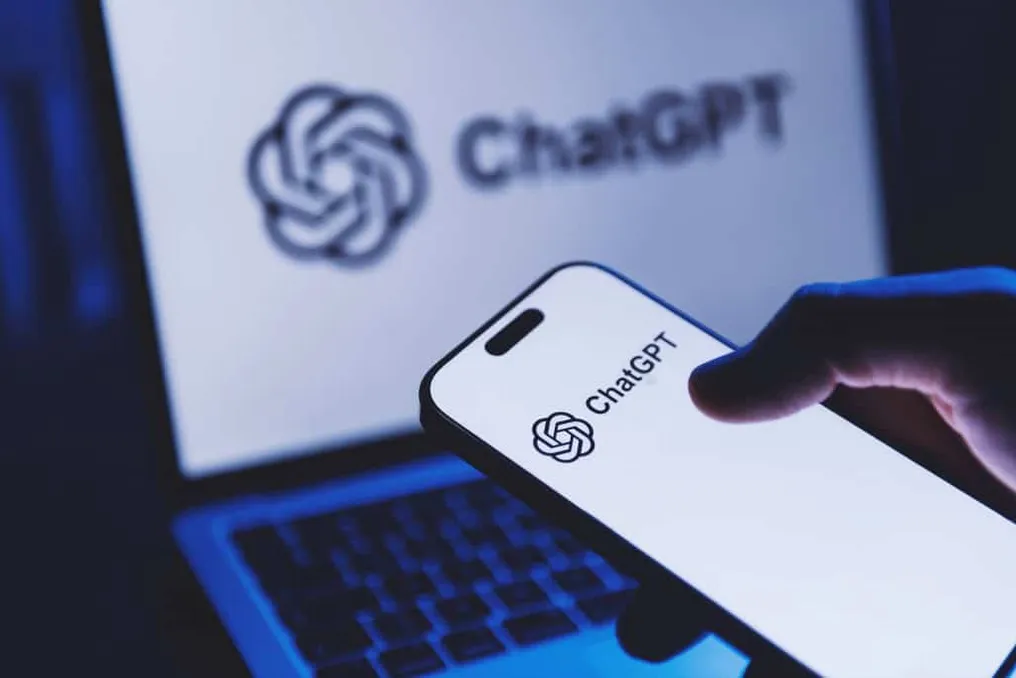
OpenAI announced last Thursday, the 6th, that it will implement an offer of unrestricted text message conversations for users of the Free and Go plans of ChatGPT. This change will take effect the following week and will apply only to interactions consisting solely of text; other features will maintain their specific limitations.
Along with this update, there will be a modification to the standard model accessible in these modes. This same week, GPT-5.6 Luna will replace GPT-5.5 Instant as the main option for conversations. In parallel, the company will introduce new control mechanisms focused on response processing.
According to OpenAI, this initiative aims to increase the availability of the latest models and make the service more useful to the public, especially given the growing competition in the artificial intelligence systems market.
It is important to note that the removal of the message limit strictly refers to dialogues composed only of text. Features such as sending files, inserting images, image generation, and using voice mode will remain subject to limits set by the company.
Another change announced concerns the replacement of the default model for Free and Go plan users. GPT-5.6 Luna will take on this role, replacing GPT-5.5 Instant, which has held this function since May.
Additionally, Free and Go accounts will receive a new button called 'think'. OpenAI clarified that this tool will allow GPT-5.6 Luna to dedicate more time to drafting responses in purely textual conversations, without usage limits, as long as this feature is not combined with other platform functionalities.
The improvements will also benefit subscribers to the Plus and Pro plans. The company reported that GPT-5.6 Sol, its main model, will be updated to enhance daily tasks such as internet research, planning, text writing, advising, and providing quick answers.
For these subscribers, another planned feature is control over the degree of reflection used by the model. This instrument will allow adjustment of the intensity of the processing used in creating responses, following a format that the company describes as similar to the effort menu found in Claude, developed by Anthropic.
Justifying the decision, OpenAI emphasized that the removal of the limit constitutes progress in expanding access to the most current versions of its models. In a statement, the company declared: 'This is a concrete step towards more abundant intelligence: making our latest models more widely available, improving the usefulness and reliability of the answers people receive, and allowing free users to have unlimited text conversations,' according to OpenAI.
The company also linked this novelty to the potential to expand the platform's applications. OpenAI highlighted: 'Access shapes opportunities, and this update gives more people the ability to keep asking, developing an idea, and getting help when they need it.'
This decision draws attention because usage limits often mirror the operational costs of AI models. Although the company has not detailed how it managed to eliminate this restriction in text conversations, the measure may signal advances in reducing these costs.
Another aspect mentioned by OpenAI is the context of greater competition in the sector. The company pointed out that the expansion of access to models occurs during a period of pressure generated by the advancement of low-cost, open-source Chinese systems, which accentuates the dispute between artificial intelligence developers.