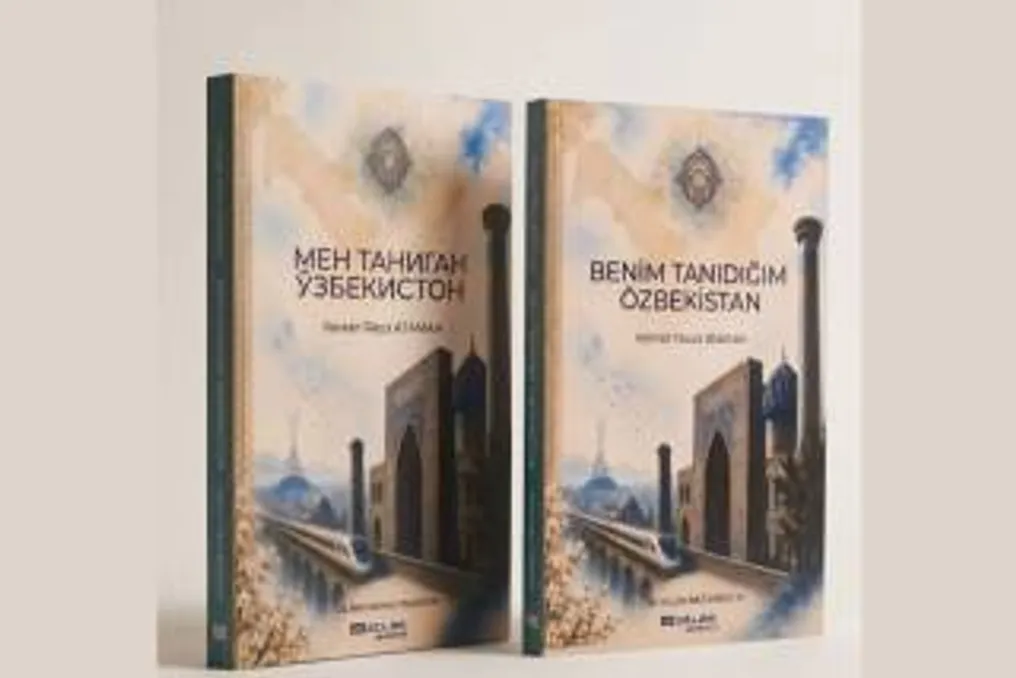
In observance of the country's 35th independence anniversary, the book 'Uzbekistan as I Know It' was published by the renowned Turkish scholar and writer Kemal Yavuz Ataman.
In observance of the country's 35th independence anniversary, the book 'Uzbekistan as I Know It' was published by the renowned Turkish scholar and writer Kemal Yavuz Ataman.
This work was prepared in Uzbek and Turkish within the framework of the 'Ma'rifat Elchilari' project, which is implemented with the assistance of the Republic of Spiritual and Educational Center, the 'Ma'rifat' Promoters Society, and the Institute of Socio-Spiritual Research.
In the context of the modern world, marked by geopolitical instability and ethnic conflicts in various parts of the globe, maintaining stability and social cohesion has become a crucial task for any state. On the occasion of Peoples' Friendship Day, the President sent festive greetings to the people, which are not just words of gratitude but reflect a clear vision and strategic approach to a united and cohesive society in the country.
As the President emphasized, the idea that 'Our strength lies in unity and solidarity' has ceased to be an empty slogan; it has transformed into the daily lifestyle of millions of citizens and the driving force of society. The land of Uzbekistan has always been a meeting place for various civilizations, cultures, and beliefs, making it a cradle of tolerance.
The values of a people who, in difficult times, welcomed representatives of others onto their land and shared their bread have today been elevated to the level of state policy. In New Uzbekistan, ensuring interethnic harmony is implemented on an institutional basis. Adopted regulatory legal acts and the concept of state policy in the field of interethnic relations serve as a reliable shield guaranteeing the rights and freedoms of more than 130 peoples and ethnicities, as well as 16 religious confessions residing in the country.
Representatives of various nationalities living in this tolerant environment feel this daily. For example, a teacher belonging to the Russian people noted that all conditions have been created for free communication in Russian, quality education of children in their native language, and the celebration of national holidays. He also stressed that the system of teaching in seven languages in 157 national cultural centers and schools of Uzbekistan is a vivid testament to the high attention and respect for representatives of different nations.
Furthermore, cultural demonstration occurs through broadcasts in different languages in the mass media, as well as through the publication of newspapers and magazines, which contributes to the preservation of each nation's culture. The diversity of cultures is demonstrated by the pavilions of national cultural centers in the capital, the 'Garden of Tolerance' in 'New Uzbekistan' park, and ethnographic and tourist villages in the regions.
Reforms in this area are not limited only to the cultural sphere, but are also reflected in social and political life. Dozens of deputies, senators, state and public figures, renowned scientists, artists, and entrepreneurs from different nationalities have achieved success. The fact that about 2 thousand such people have been awarded high state orders and medals shows that human value is paramount.
Art serves as the most powerful force uniting different cultures. The President's initiative to create the professional ensemble 'Friendship' from representatives of different peoples is an important creative step in service of universal unity and cohesion. The model of Uzbekistan in matters of interethnic harmony plays a significant role not only within the country but also in strengthening the atmosphere of good neighborliness, openness, and mutual trust throughout the Central Asian region. The liberalization of movement and the expansion of economic and humanitarian ties testify to the realization of the eternal dreams of the peoples of the region.
A Kazakh representative shared his opinion on regional friendship and the future: 'We well know that the peoples of Central Asia lived based on common goals since ancient times. In recent years, the opening of borders with neighboring countries and the establishment of free movement have strengthened the ties between our families and peoples. We have united on the path to a common future and goal.'
Peoples' Friendship Day is not just a holiday or an external formality, but a sacred human value that is a reliable guarantee of peace, freedom, and prosperity of our country. The unification of all representatives of different peoples around a common goal and the feeling of Motherland will play a key role in achieving the heights of New Uzbekistan.
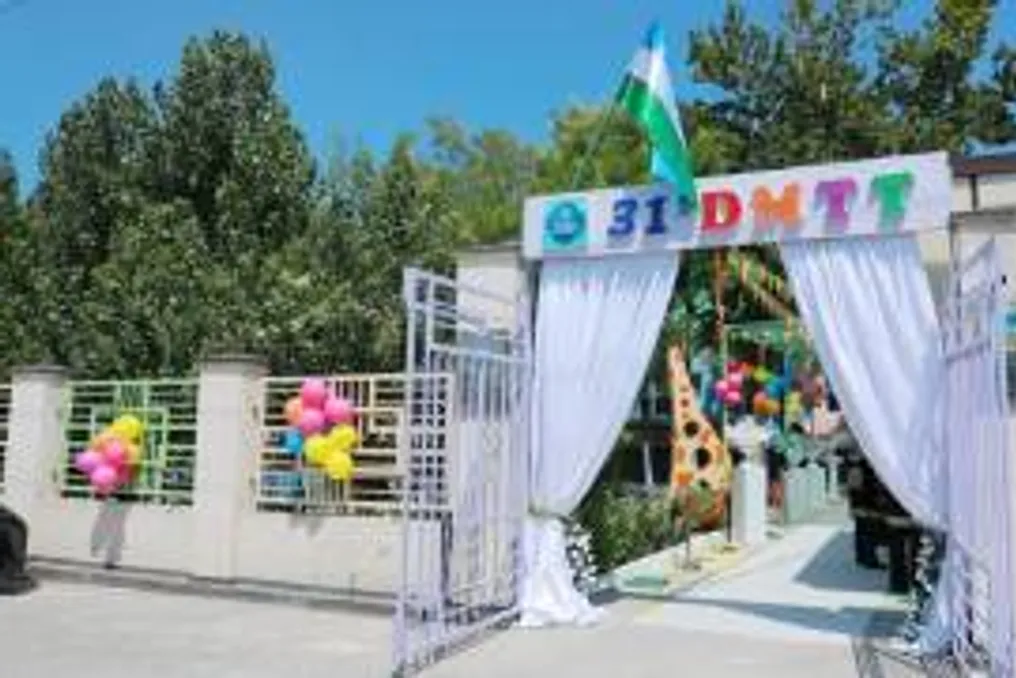
In anticipation of the celebration of the 35th anniversary of independence, a joyful event took place in the village of Sirdaryo, in the Pakhtakor quarter. A new state preschool educational institution designed for 150 children was solemnly commissioned there.
This project was implemented as part of the execution of the Decree of the President of the Republic of Uzbekistan dated March 3, 2025, 'On measures for the active development of the socio-production infrastructure of the Syrdarya region.' 4 billion 600 million soums were allocated for the construction and equipping of the new kindergarten. As a result, a modern and spacious educational environment was created that meets all the necessary conditions for the comprehensive development of children.
The head of the Syrdarya district, Azizbek Turdimurodov, participated in the opening ceremony. He emphasized that the state policy on developing the system of preschool education and increasing the intellectual and spiritual potential of children is being consistently implemented in the country. Furthermore, he noted that the new kindergarten will ensure quality upbringing for children and create significant convenience for parents.
The institution is equipped with large and bright groups designed taking into account the age and interests of the children. It also has halls for music and physical culture, a medical office, a dining hall, and many rooms equipped with modern educational equipment. Modern playgrounds and green areas have been established in the district to ensure meaningful leisure and physical development for children.
According to worker Bakhtiyor Kenjaev, the commissioning of the new institution in anticipation of Independence Day was a great gift for the residents of the quarter. He expressed great joy at the opportunity to see the conditions created for their children and grandchildren. Bakhtiyor Kenjaev added that the modern kindergarten has all the possibilities for receiving a quality education and achieving healthy, full development. He particularly noted that the educators are highly qualified specialists who approach child-rearing responsibly, and he expressed gratitude to the head of state for such care and attention.
The commissioning of the new kindergarten is an important step towards expanding coverage of preschool education in the quarter, creating a modern educational environment for children, and providing additional convenience for parents.
The book 'Uzbekistan as I Know It' by the famous Turkish writer, scholar, and public figure, Dr. Kamal Yavuz Ataman, has been published.
This work discusses in detail the ancient history of Uzbekistan, its rich spiritual heritage, its significant role in the development of Turkic-Islamic civilization, its great scholars, and state traditions. Furthermore, the author expresses his sincere thoughts and reflections on the large-scale reforms being implemented in New Uzbekistan under the leadership of President Shavkat Mirziyoyev, state policies aimed at valuing human dignity, and the path to the country's development.
Based on his many years of observations, scientific research, and visits to Uzbekistan, the author describes the country's past history, current development, and future goals from the perspective of a foreign intellectual. The book was prepared in Uzbek and Turkish languages and was created within the framework of the 'Ambassadors of Enlightenment' project, with the proposal of the Republic Center for Spirituality and Education, the 'Enlightenment' Promoters Society, and the Institute of Socio-Spiritual Studies.
'Uzbekistan as I Know It' is considered one of the important sources for enriching international scientific and educational views about the country and for gaining a deeper understanding of Uzbekistan's past, present, and future.