According to the draft presidential decree on the development of active tourism, Uzbekistan intends to restore and utilize abandoned airfields and runways for recreational purposes.
According to the draft presidential decree on the development of active tourism, Uzbekistan intends to restore and utilize abandoned airfields and runways for recreational purposes.
As part of this proposal, after landscaping and modernization, these facilities will be leased to private entrepreneurs. It is planned that they will be used for light aviation flights, parachuting, paragliding, as well as for housing training centers for specialists.
The document also provides for the development of small aviation. It is proposed that the Civil Aviation Agency act as the state regulator in this area, receiving additional powers for aircraft certification and registration.
Furthermore, the project includes exempting entrepreneurs from customs duties when importing about 40 types of equipment intended for active tourism. This list includes quad bikes, buggies, campers, jet skis, parachutes, paragliders, and mountaineering gear.
It is expected that tax and customs benefits will come into effect on January 1, 2027, and last until January 1, 2030. Starting in 2027, projects for developing infrastructure at active tourism sites may be included in state development programs.
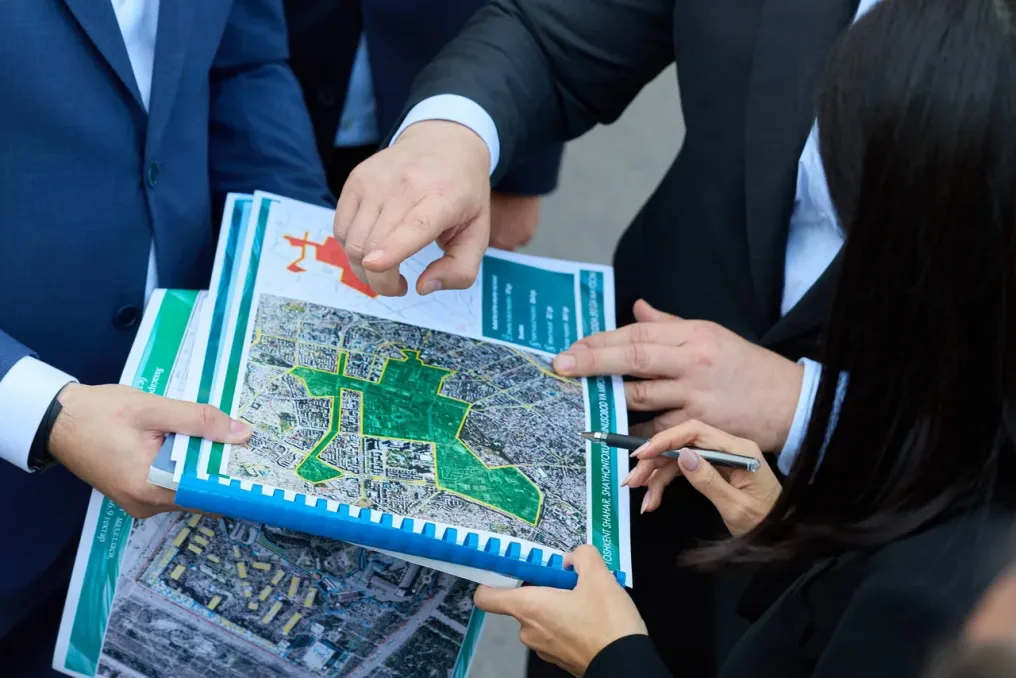
The National Committee of Uzbekistan for Ecology and Climate Change has presented a draft resolution of the Cabinet of Ministers for public discussion. This document proposes establishing public green parks on land that has been vacated following the relocation of several state institutions and enterprises.
This proposal applies to territories previously occupied by schools, academic lyceums, technical colleges, higher education institutions, polyclinics, hospitals, and other medical facilities, as well as enterprises classified under ecological categories I and II.
According to the proposal, after such facilities are relocated, the land, buildings, and structures will undergo inventory and assessment to determine their suitability for conversion into public parks. The evaluation will take into account the urban planning, ecological, and social significance of each plot.
Suitable areas will be reconstructed into public green zones, which will include pedestrian paths, playgrounds, sports facilities, and other public spaces. The land allocated for this purpose will be transferred to the National Committee for Ecology and Climate Change free of charge, and its use for other purposes will be prohibited after the transfer.
The draft also stipulates a ban on constructing residential buildings, large commercial and service complexes, administrative buildings, industrial facilities, and other structures that could reduce the area of green spaces in future parks. Parking spaces are permitted only in locations specified by the park's master plan.
The document establishes that public parks must remain open and free for public access. Design plans must include pedestrian routes, children's and sports areas, lighting and security systems, sanitary infrastructure, accessibility features for people with disabilities, and irrigation systems.
Furthermore, the draft calls for inspections of buildings and structures located on the vacated sites. Demolition of unsafe or unusable buildings will only be permitted after conducting legal, technical, ecological, and urban planning expertise.
To develop and maintain the parks, the government plans to involve private business through open tenders. Land plots will be leased to investors or provided within the framework of public-private partnership mechanisms.
In accordance with the draft resolution, funding for the work will be provided from local budgets, environmental funds, the 'Yashil Makon' program, private investors, as well as grants from international financial institutions and foreign organizations.