According to calculations, the cost of preparing one kilogram of palov in Tashkent is approximately 20 percent higher than in Karakalpakstan.
According to calculations, the cost of preparing one kilogram of palov in Tashkent is approximately 20 percent higher than in Karakalpakstan.
The National Statistical Committee calculated the cost of preparing one kilogram of palov in the regions of Uzbekistan for July 2026. According to the data obtained, the highest price for palov ingredients was recorded in the city of Tashkent, while the lowest indicator was observed in the Republic of Karakalpakstan.
When determining the cost of palov, average prices for the main products required for its preparation were taken into account, including vegetable oil, onions, beef, vegetables, rice, chickpeas, cumin, and salt for rice.
The committee emphasized that the presented figures reflect the average cost of raw materials needed to prepare palov in different regions, not the retail price of the finished product sold in these regions.
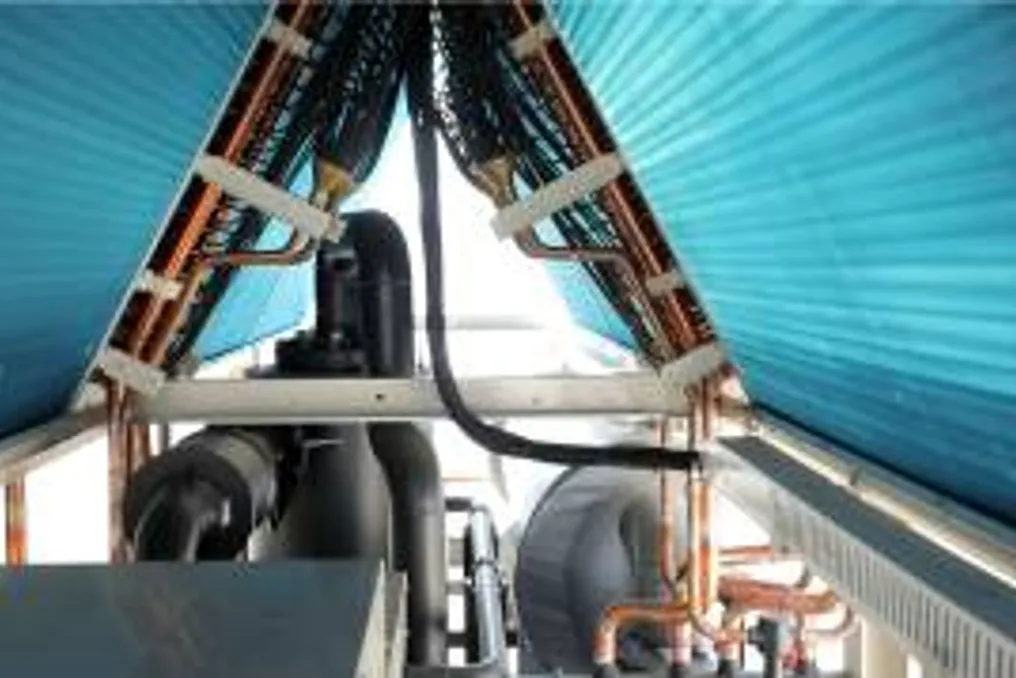
An attempt to avoid paying customs duties totaling 2.2 billion soums has been uncovered. This attempt is linked to the illegal use of customs benefits when declaring cooling system equipment worth 17.5 billion soums, which was supposed to be paid into the state budget.
The attempt to evade customs payments that were supposed to be transferred to the state budget was timely discovered by employees of the 'Toshkent-Tovar' customs post of the Tashkent City Customs Administration.
According to available information, refrigeration units with a total value of 17.5 billion soums were imported into Uzbekistan from a foreign country. However, the entrepreneur attempted to illegally take advantage of existing benefits during the customs clearance process.
Specifically, in the accompanying documents, these goods were listed as 'parts of mechanical cooling system devices.' The goal was to create grounds for applying customs benefits to the goods and consequently reduce the amount of customs duties payable.
During customs control, it was established that the submitted information was not true. As a result, it was revealed that an attempt was made not to pay customs duties amounting to 2 billion 212 million soums by abusing customs benefits. After discovering this case, the customs benefits applied to the goods were annulled. Currently, the goods are in temporary storage. Investigative measures are being conducted regarding this incident in the established manner.
This case once again emphasizes the importance of correctly specifying the name and classification of goods during customs clearance, as well as the lawful use of customs benefits within established objectives.
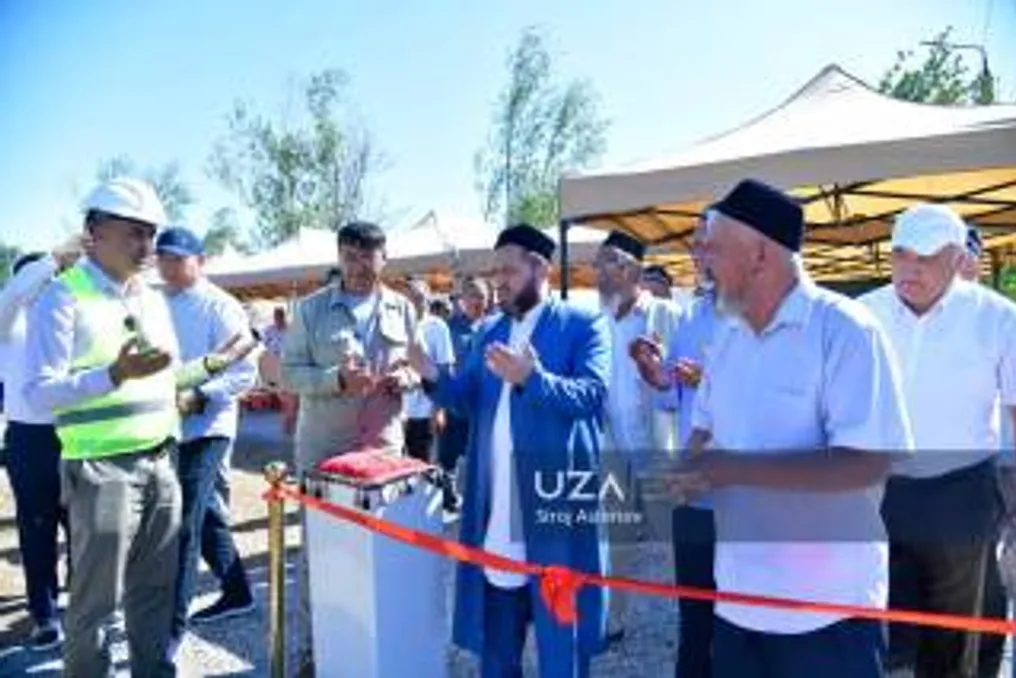
The implementation of a project to construct centralized water supply systems in the center of the Karman district of the Navoi region has begun. During the solemn ceremony of laying the foundation for the facilities that will be built as part of the project, the head of the 'Uzsuvtaʼminot' Administration, Ahmad Suvonkulov, the deputy governor of the region, Akbar Niyozov, the head of the Karman district, Shohrukh Boltayev, and public representatives took part.
It is emphasized that in recent years, close attention has been paid to ensuring the population receives quality utility services, modernizing engineering and communication infrastructure, and strengthening environmental safety in the country.
One of the key documents aimed at achieving these goals is the decree of the President of the Republic of Uzbekistan dated March 18, 2022, on measures to implement projects for the construction and reconstruction of water supply systems in the Karman district of the Navoi region and in the Shahrisabz city and Kitob district of the Kashkadarya region. In accordance with this decision, a large investment project is being implemented to create centralized water supply systems in the Karman district of the Navoi region.
The total cost of the project is 28.5 million US dollars. Of this amount, 25.2 million US dollars are financed by the French Development Agency, and the remaining 3.3 million US dollars are covered by the Republic of Uzbekistan.
According to Azh Otabek Zaripov, head of 'Navoiysuvtaʼminoti', the project will be implemented in three stages. The first stage will involve the construction of a modern wastewater treatment facility with a capacity of 8.2 thousand cubic meters. The second stage plans for the creation of water pipelines spanning 152 kilometers. The final stage includes the construction of four pumping stations (PS) for pumping wastewater and associated pressure pipelines.
As a result of the project's implementation, 55 thousand residents of the Karman district will receive centralized water supply for the first time. Furthermore, the coverage rate of this service in the region will increase from the current 0 percent to 90 percent.
The design is being carried out by the consortium 'SAFEGE Ankara' from Turkey and 'TUMAS2'. Technical support is provided by 'SEURECA' from France, '2Global Business Service' from Uzbekistan, and 'SMEC International PTY' from Australia. To date, $2.8 million has been attracted within the framework of the project. Tender procedures for the construction of the wastewater treatment facility have been completed, and a contract with the contractor is expected to be signed. Additionally, all design work for the pumping stations and water pipelines has been finalized, and the practical phase has begun.
It is planned to attract $10 million for the construction of the wastewater treatment facility in 2026, complete two major tenders, and sign agreements with contracting organizations.
The customs committee intercepted the illegal trade of about six tons of precursor substance that can be used in the production of narcotic drugs.
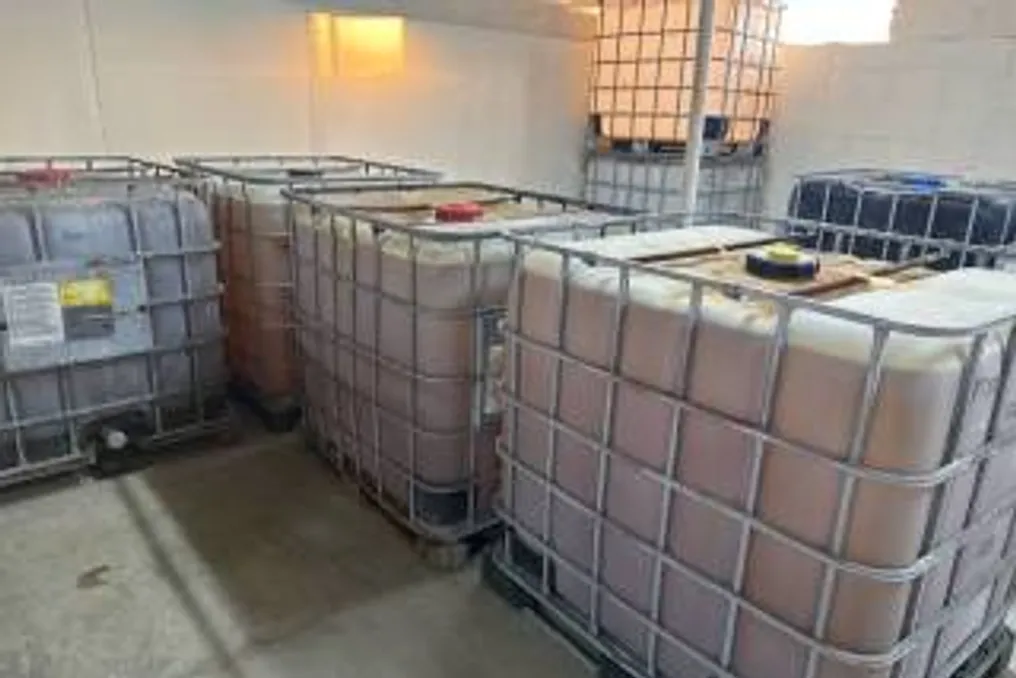
Employees of the Customs Committee's Anti-Smuggling Department conducted an operation in the Tashkent area. During this operation, material evidence related to the trade of one ton of hydrochloric acid at a price of 14.5 million soums, sold by three citizens, was seized.
Further operational action led to the inspection of a warehouse rented by one of these individuals in Tashkent. The inspection revealed that another 4.9 tons of hydrochloric acid were stored in the warehouse.
The investigation revealed that these individuals lacked any permits or relevant documents authorizing them to store, transport, or sell precursor substances. Hydrochloric acid is included in the list of precursors subject to restrictions under international and national legislation.
This is because this chemical substance can be used in the manufacture of traditional and various synthetic narcotics, such as heroin and cocaine. Specialists emphasize that this substance, which outwardly resembles a common chemical liquid, poses a serious threat to public safety, as its use for criminal purposes can negatively affect the lives and destinies of hundreds of young people and lead to family breakdown.
Currently, investigative and operational-search measures are underway to determine the source of the chemical substances totaling 5,900 kilograms and to identify other individuals involved in this criminal activity.