The United Arab Emirates (UAE) has confirmed that products from salads linked to the cyclosporiosis outbreak in other parts of the world are not available in the country's markets.
The United Arab Emirates (UAE) has confirmed that products from salads linked to the cyclosporiosis outbreak in other parts of the world are not available in the country's markets.
Cyclosporiosis is a type of food poisoning caused by a parasite found in untreated water and raw products such as berries, herbs, and leafy greens.
The Ministry of Climate Change and Environment reported that it monitors food safety alerts and investigations into potential contamination sources affecting fresh produce, especially salad originating from central Mexico.
The body also stated that it coordinates its actions with other departments to control and inspect batches entering the country, confirming the safety of food available in the local market. Furthermore, preventive measures are being taken to ensure the highest food safety standards.
The main symptom of this infection is profuse watery diarrhea. Other possible signs include loss of appetite, bloating (including burping and gas), severe fatigue, subfebrile temperature, abdominal spasms, nausea, and vomiting.
The Ministry of Climate Change and Environment strongly recommended residents to follow safe food handling practices to protect public health. These recommendations include thoroughly washing fresh fruits and vegetables before consumption, as well as purchasing products exclusively from approved retail outlets.
A cyclosporiosis outbreak is observed in several US states, prompting the Food and Drug Administration to launch an investigation.
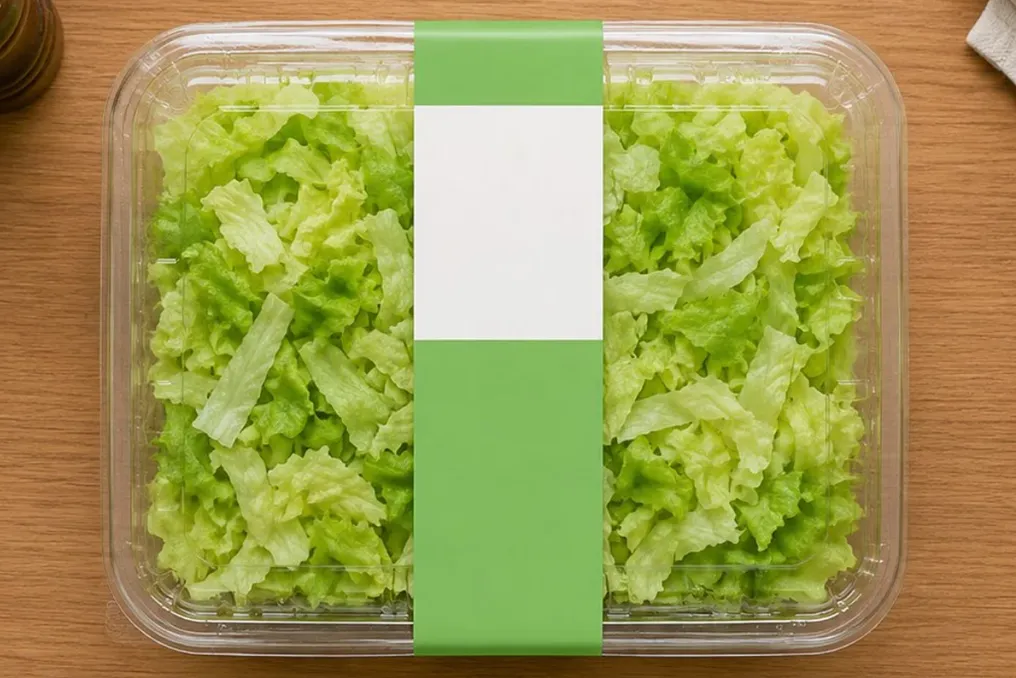
On August 5, Taylor Farms de Mexico recalled all iceberg lettuce produced in central Mexico. In its notice, the company warned: 'Do not consume recalled Taylor Farms de Mexico iceberg lettuce. If you purchased the recalled lettuce, discard it or return it.' The brand reported that numerous batches were affected, and the product was sold in various packaging types.
A batch of salad was recalled that had been distributed and sold to consumers, restaurants, and retailers in at least 27 states, including Taco Bell locations and Marketside branded products in some Walmart stores.
Pens used in obesity treatment have become common, but the cost of these medications prevents many Brazilian citizens from accessing them. According to Deutsche Welle (DW), this financial barrier particularly affects lower-income populations, who ironically are the ones suffering most from the disease.
Patients who cannot maintain treatment risk abandoning it or resorting to illegal products. Currently, no weight loss medication is available in the Unified Health System (SUS).
Recent data from Vigitel, provided by the Ministry of Health, indicates that 25.7% of adults in Brazil struggle with obesity. This condition can trigger other serious complications, such as diabetes, cancer, and cardiovascular problems.
The most modern drugs demonstrate superior efficacy compared to older methods. While previous treatments resulted in a loss of 5% to 10% of body weight, medications that mimic GLP-1 action, such as Wegovy and Ozempic, can promote a reduction of up to 17%. With tirzepatide, the active ingredient in Mounjaro, this index can reach 22%.
However, access remains restricted. A survey conducted by NielsenIQ Brazil revealed that the pens are present in approximately 5% of Brazilian households, and in 84% of these homes, the medications generate a high or moderate financial impact on the monthly budget.
For endocrinologist Paulo Miranda, coordinator of the International Department of the Brazilian Society of Endocrinology and Metabolism (SEBM), the disparity in access represents a global issue. He emphasizes the need for these medications to be included at an affordable cost for the public who would benefit from these treatments.
The reduction of semaglutide patents allowed new manufacturers to enter the market and contributed to price decreases. In June, the first national pen with this active ingredient, Ozivy, manufactured by EMS, was launched in retail. Furthermore, five other semaglutide-based medications obtained approval from Anvisa.
The Ministry of Health assures that increased competition should result in a significant drop in prices. Experts point to possible reductions of up to R$ 1 thousand per month in certain treatments.
However, tirzepatide remains more expensive. Treatments with Mounjaro cost between R$ 1,500 and R$ 3,000 monthly. Rachel Teixeira, an endocrinologist, warns that if the cost is prohibitive, it is better not to start the treatment, as suspension tends to cause weight to return to the initial level. She also warns that managing obesity should not be seen merely as a temporary expense.
Obesity control requires more than just medication; nutritional counseling and physical exercise are also part of the therapeutic plan and can increase total costs. Bruno Gualano, president of the Center for Lifestyle Medicine at the Faculty of Medicine of the University of São Paulo (USP), points out that access to a healthy lifestyle is also unequal.
Due to the lack of resources for continuous treatment, some people end up buying pens of illicit origin. Anvisa condemns this practice, as there is no guarantee regarding the origin, purity, transport, or storage of these items.
It is concluded that, according to experts, expanding access to treatments is fundamental to preventing patients from being trapped between high pharmaceutical costs and the danger of irregular products.
A case of food poisoning has occurred in the Saharsa district of Bihar state. More than one hundred people felt unwell after eating prasad prepared during the Satyanarayan worship in Sardikha village, in the Madhya Tola area of Simri Bakhtiyarpur.
The sick include women, men, and children. The mass illness caused panic throughout the village. According to available information, a worship of the god Satyanarayan was held in the village on Thursday evening, after which residents consumed the prasad. Villagers claim that the deterioration of health began gradually the next day.
Initially, some people experienced discomfort, but soon many started complaining of vomiting and diarrhea. While villagers tried to understand what was happening, dozens of people suddenly fell ill in the area. Due to constant vomiting and diarrhea, the condition of many people began to worsen.
After it became known about the large number of cases, anxiety increased among the residents, and they notified the local health department. A medical team was dispatched to the village.
Local residents reported the situation to a medical worker at the Simri Bakhtiyarpur district hospital. Upon receiving the report, the medical team arrived in the village and began treating the victims in Madhya Tola, Sardikha.
The medical team is visiting homes, examining, and treating patients. Special attention is being paid to the condition of those whose health has deteriorated the most. Some villagers are also seeking treatment outside the village.
The health department team is monitoring the entire situation following the mass illness. Currently, the main complaint among the population is vomiting and diarrhea. Residents link the health deterioration to consuming the prasad during the worship.
This incident did not affect any single age group; a large number of villagers, including women, men, and children, fell ill. According to the villagers, many who consumed the prasad began experiencing health problems the very next day.
An atmosphere of fear descended upon the village after news of the disease spread. Residents exchanged information about each other's health. The arrival of the medical team brought relief to the affected families, and medical workers continue to provide assistance to the patients.
Currently, the health department team is in the village, observing the development of the situation. An investigation into the cause of the sudden illness of a large number of people is underway. According to the villagers, the deterioration of health began specifically after consuming the prasad during the worship.
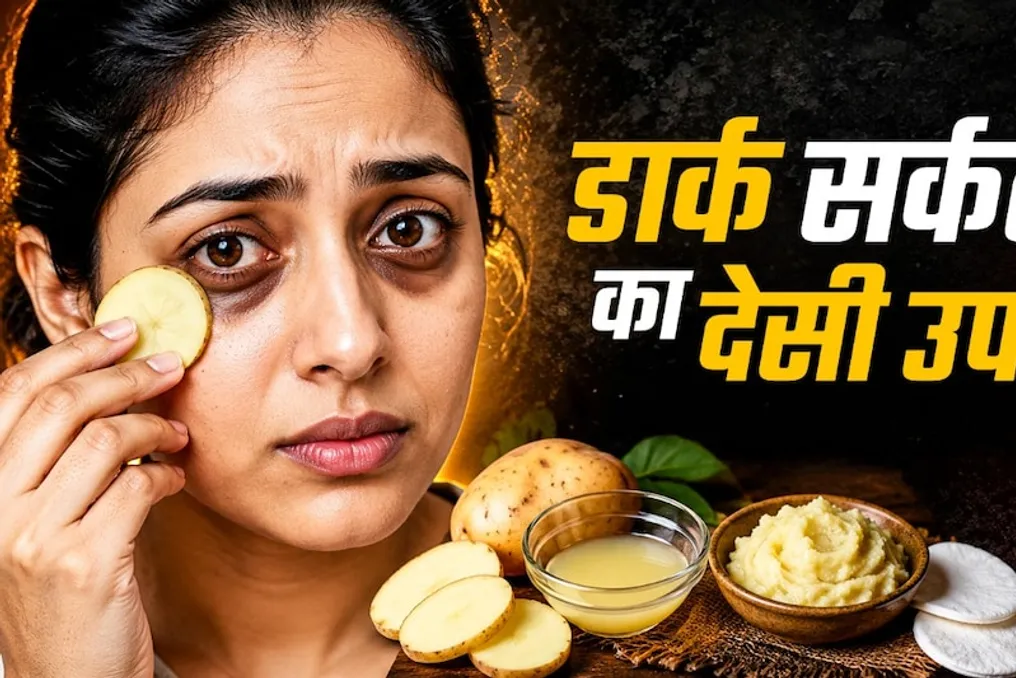
Currently, many people use various cosmetic procedures to improve their appearance, but dark circles under the eyes can spoil the overall impression. Dark circles can significantly diminish facial attractiveness, especially if a person suffers from lack of sleep, spends a lot of time in front of screens, or feels severe fatigue.
To reduce this problem, expensive creams and serums are often used, but the desired result is not always achieved. If you are tired of buying expensive products, this information offers a natural home remedy.
The article discusses how potatoes, which are available in the kitchen, can help combat dark circles. Potatoes contain nutrients and antioxidants that are beneficial for skin care.
Some mistakenly believe that lack of sleep is the only cause of dark circles. However, this is not true. The skin under the eyes is very thin, causing blood vessels to become visible, which gives this area a dark tint. Furthermore, dark circles can be exacerbated by genetic traits, aging, allergies, fatigue, the habit of rubbing one's eyes, and prolonged sun exposure. Thus, the causes can vary among different people.
Potatoes contain components such as Vitamin C, Vitamin K, and niacin. Vitamin C participates in the process of collagen production in the skin, while other compounds and antioxidants found in potatoes contribute to skin care. Potatoes also have a cooling effect, which can help reduce puffiness and eye fatigue.
Nevertheless, it should be remembered that one should not place too much hope on the effect of this method, and a doctor's consultation may be necessary for deep or long-standing dark circles.
Important: If dark circles persist for a long time, relying solely on folk remedies is insufficient. It is crucial to maintain a sufficient sleep schedule, stay hydrated, eat a balanced diet, and protect the skin from the sun. When going outside, it is recommended to use sunscreen and avoid frequent eye rubbing.
Before applying any home remedy, always perform a patch test on a small area of skin, as everyone's skin is unique, and this will help avoid any possible allergic reactions or discomfort.